


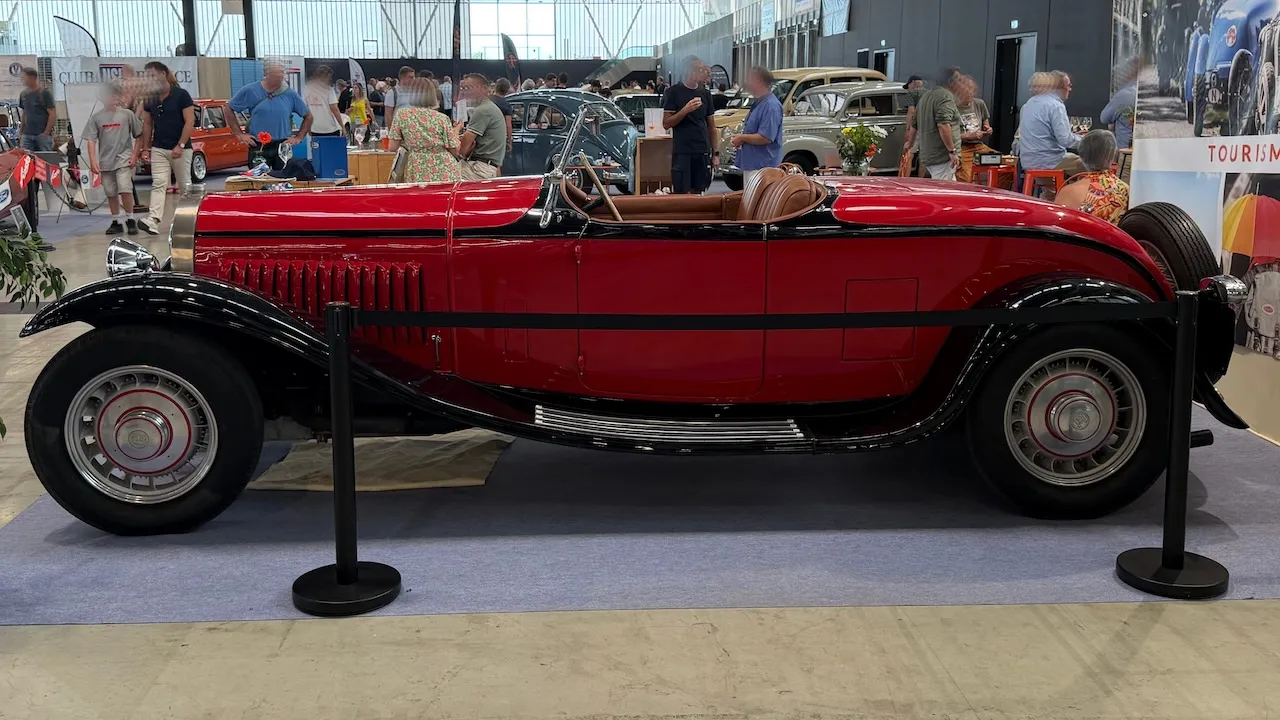
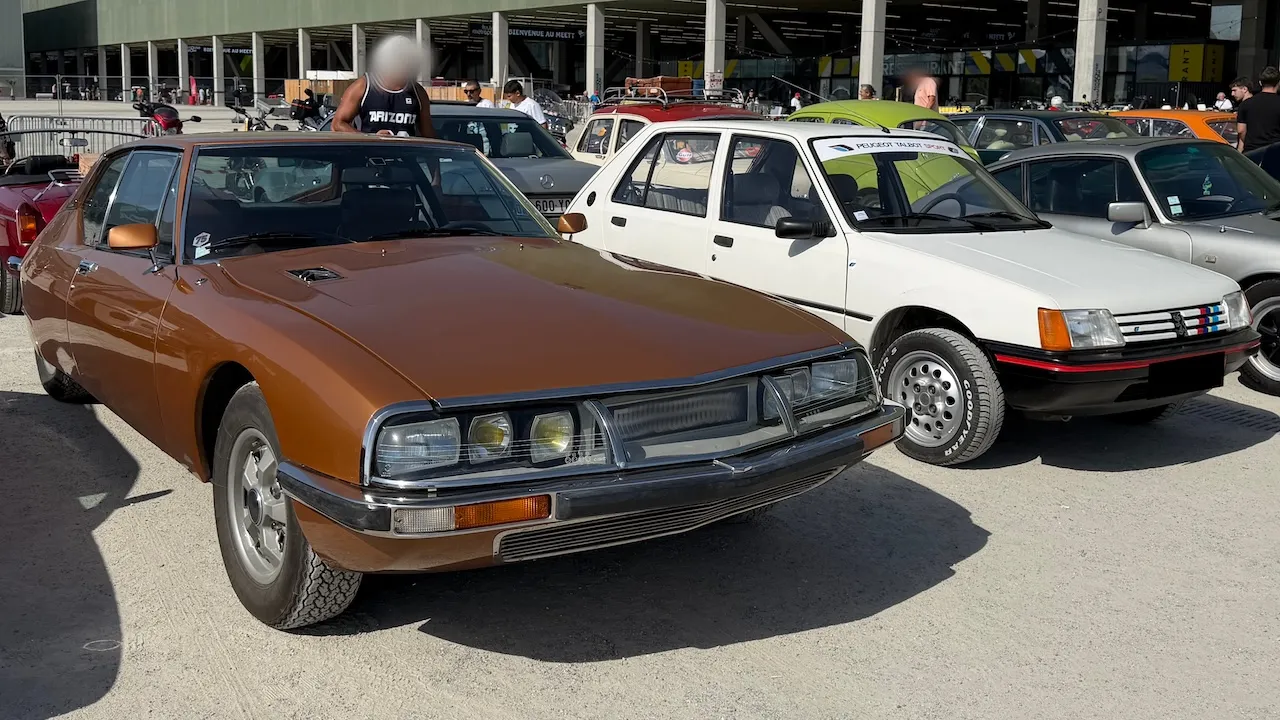
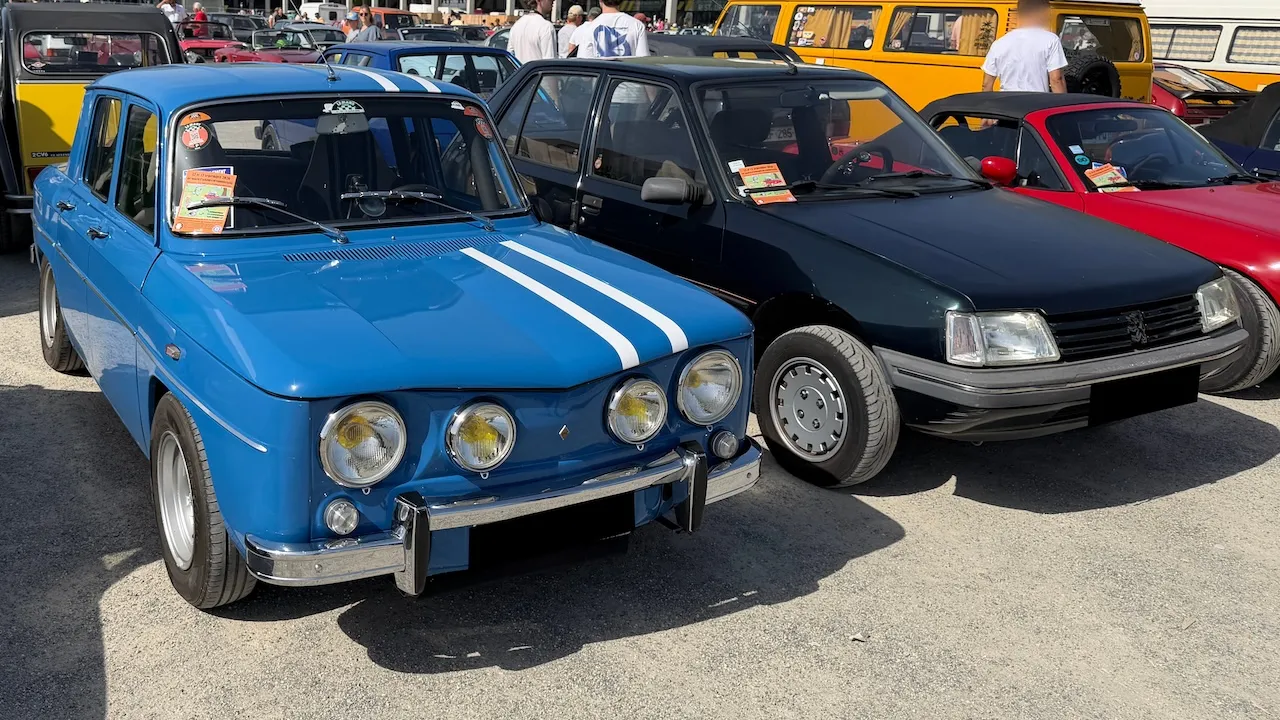
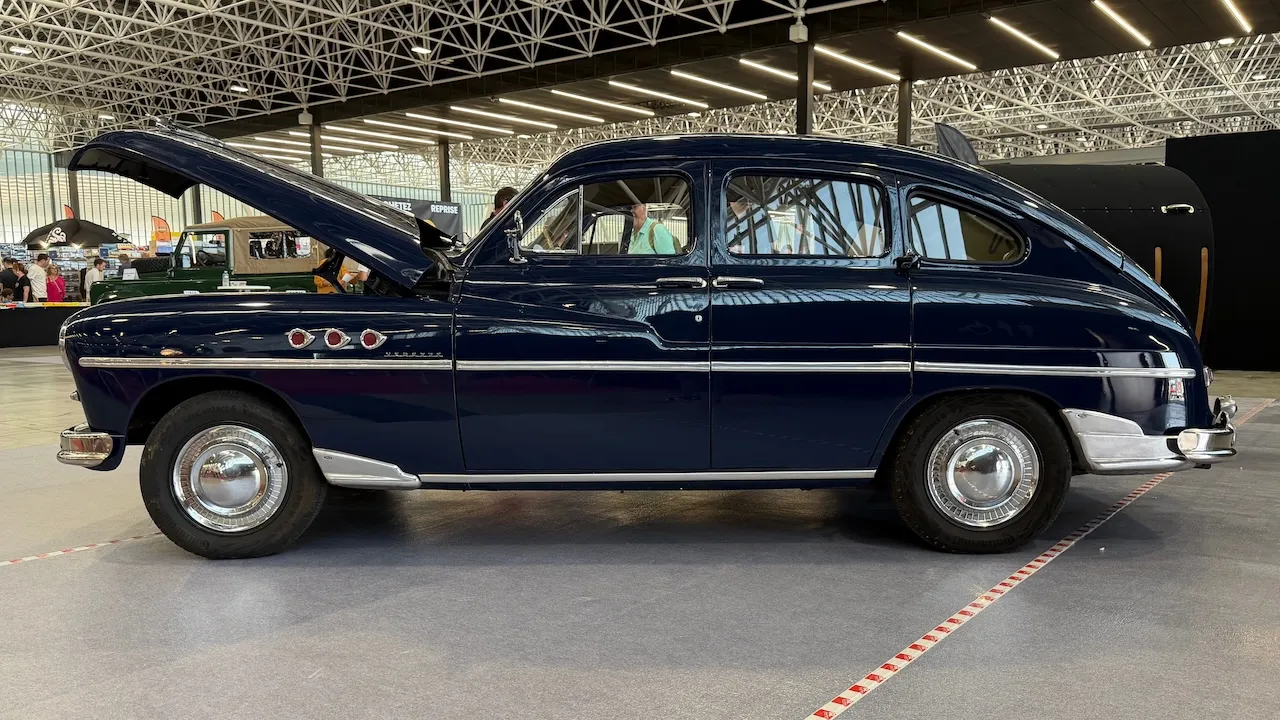
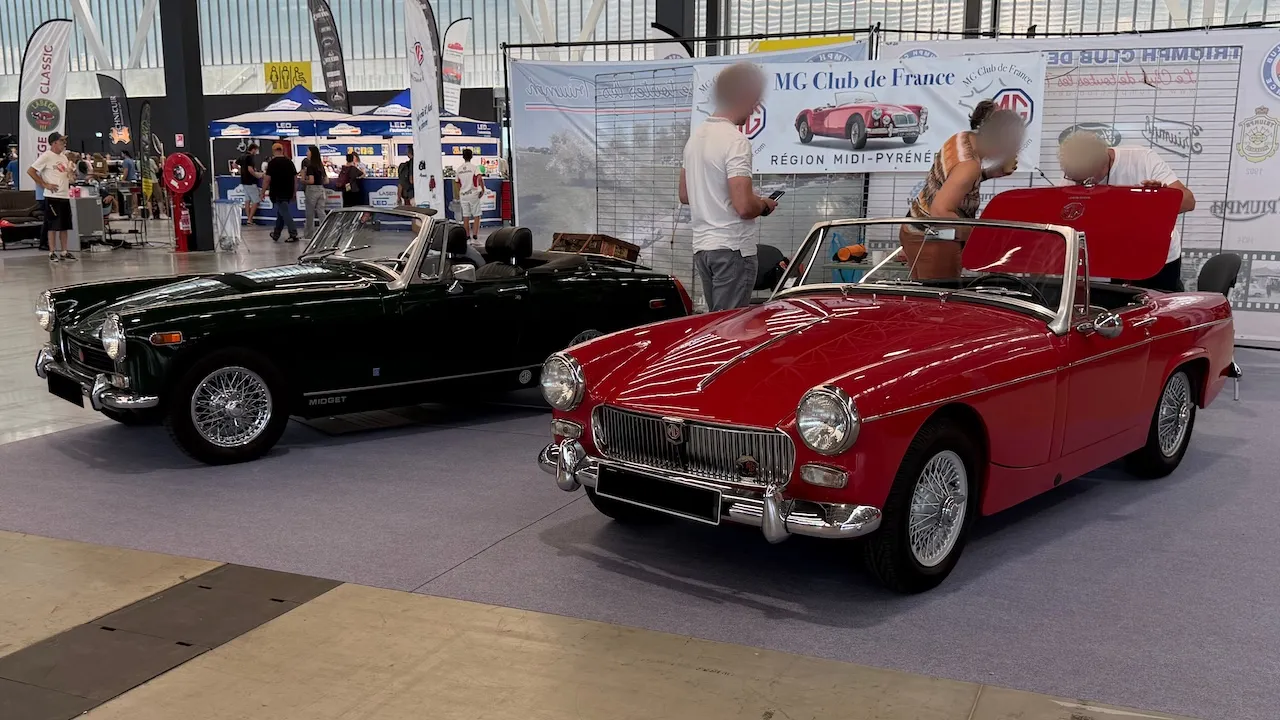
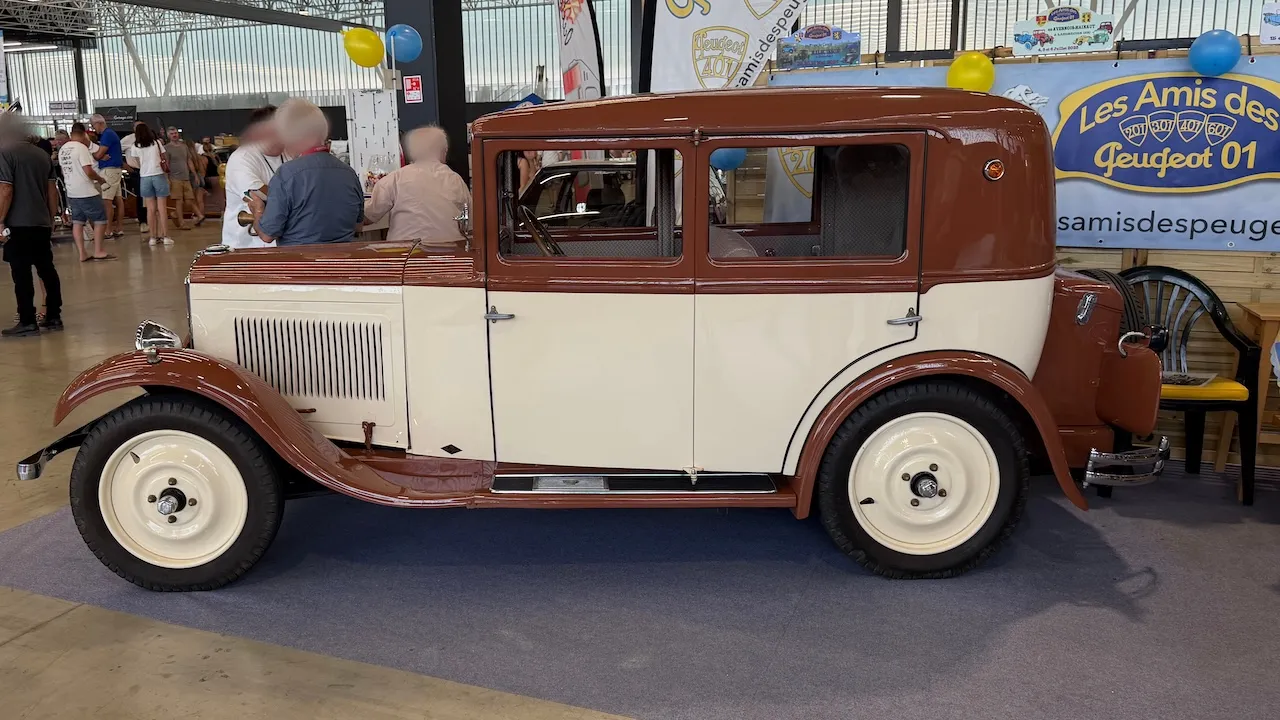
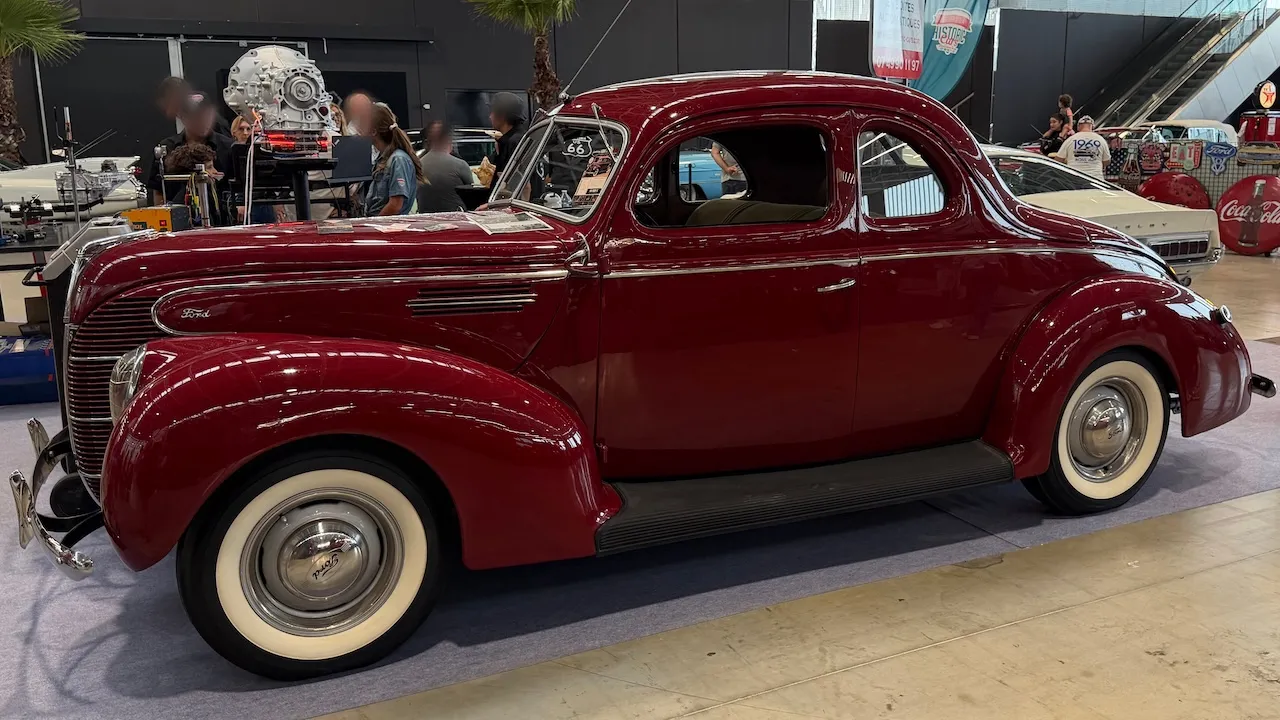
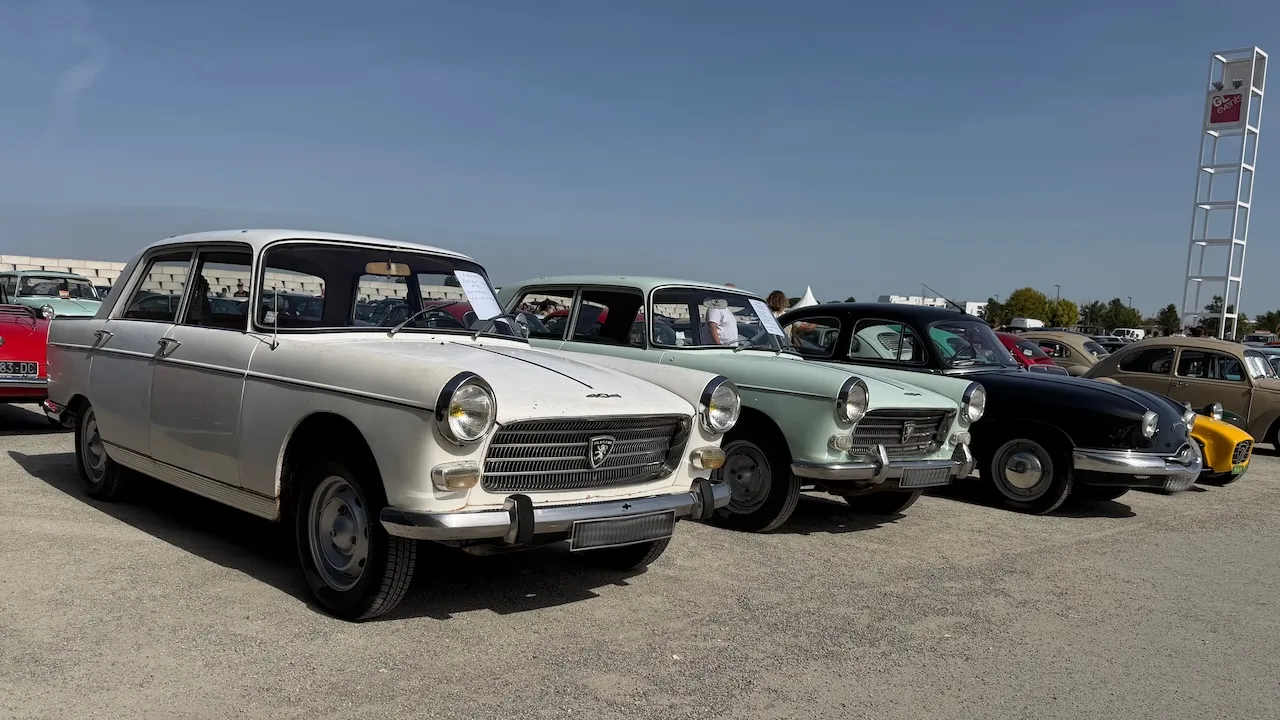
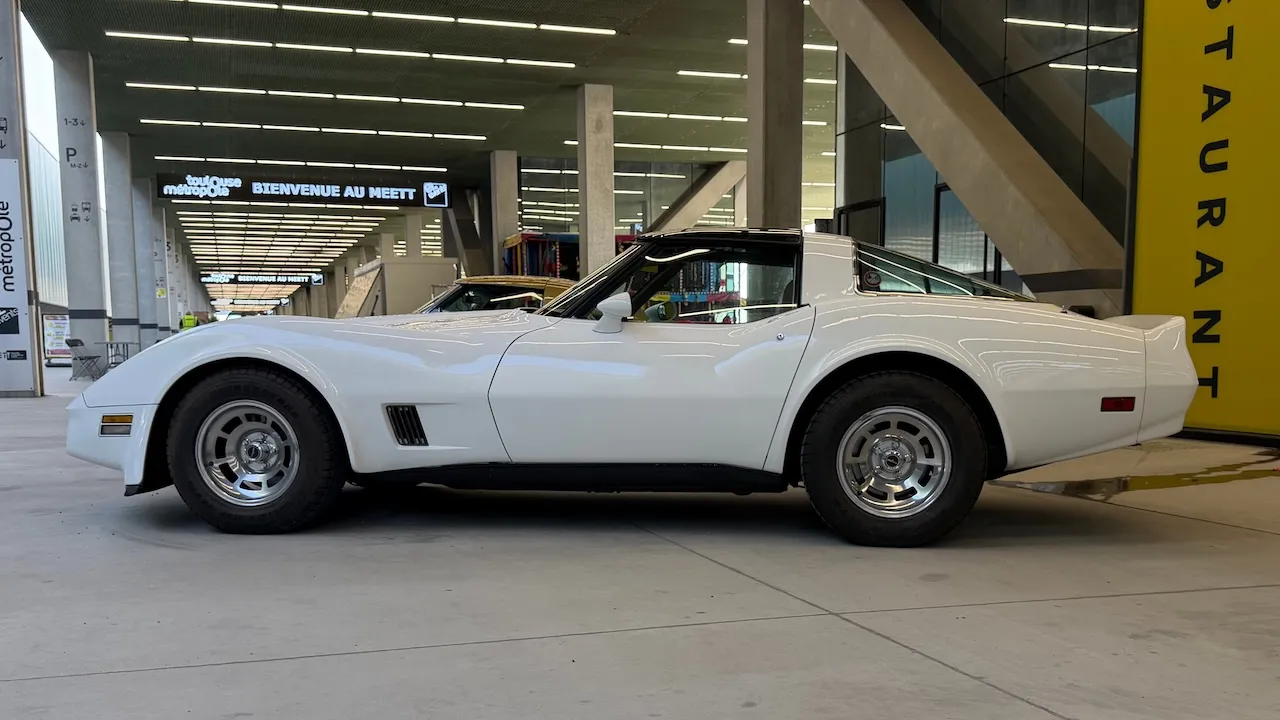

See the pictures for a nice sample of cars. To welcome you, Bugatti Type 49.
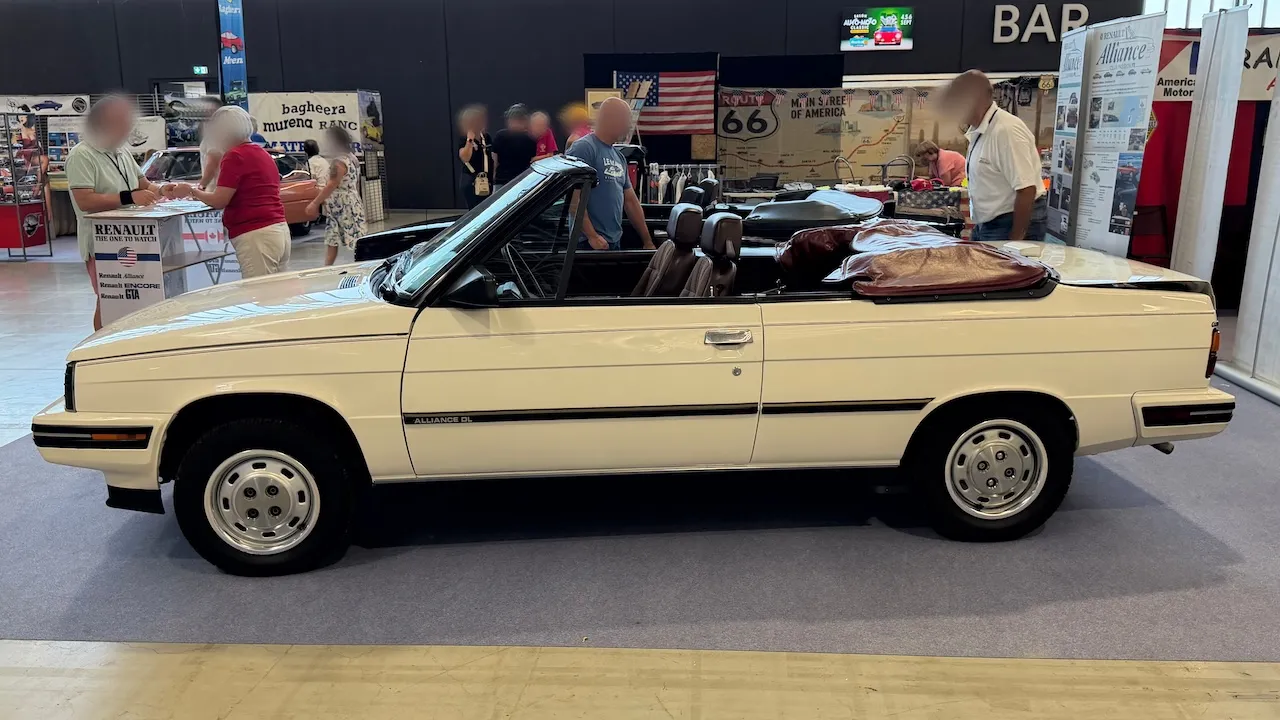
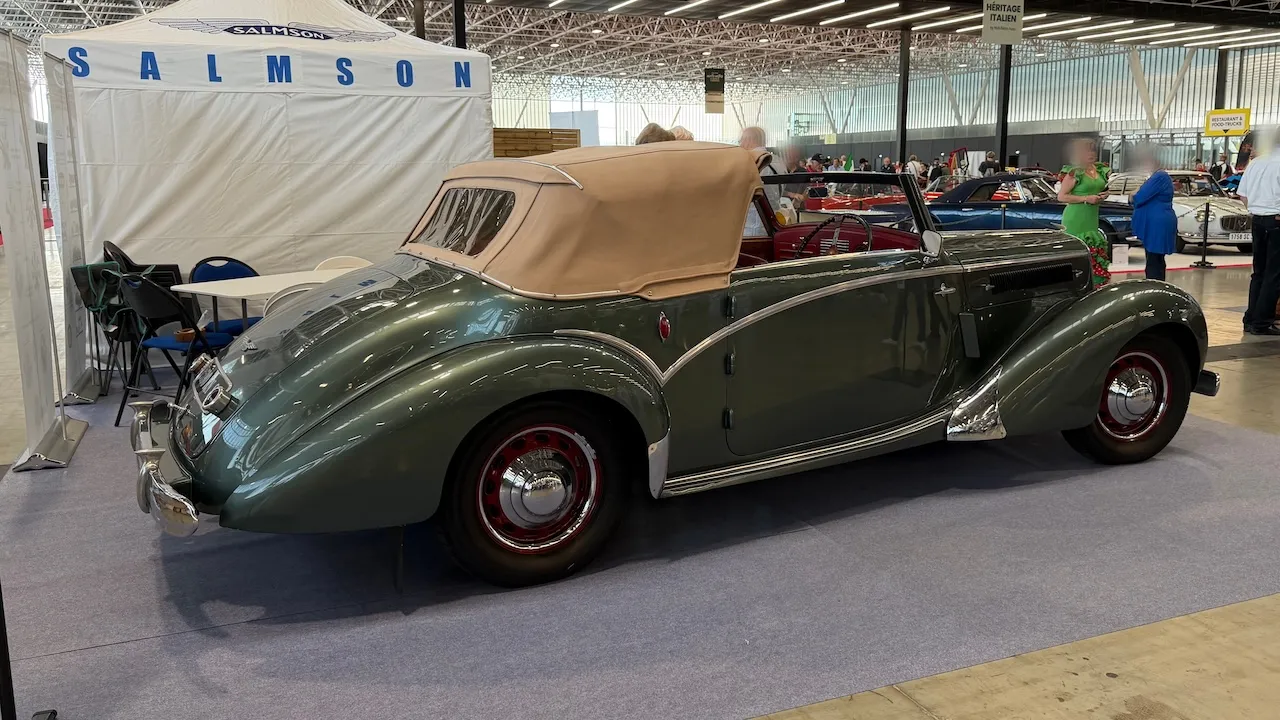
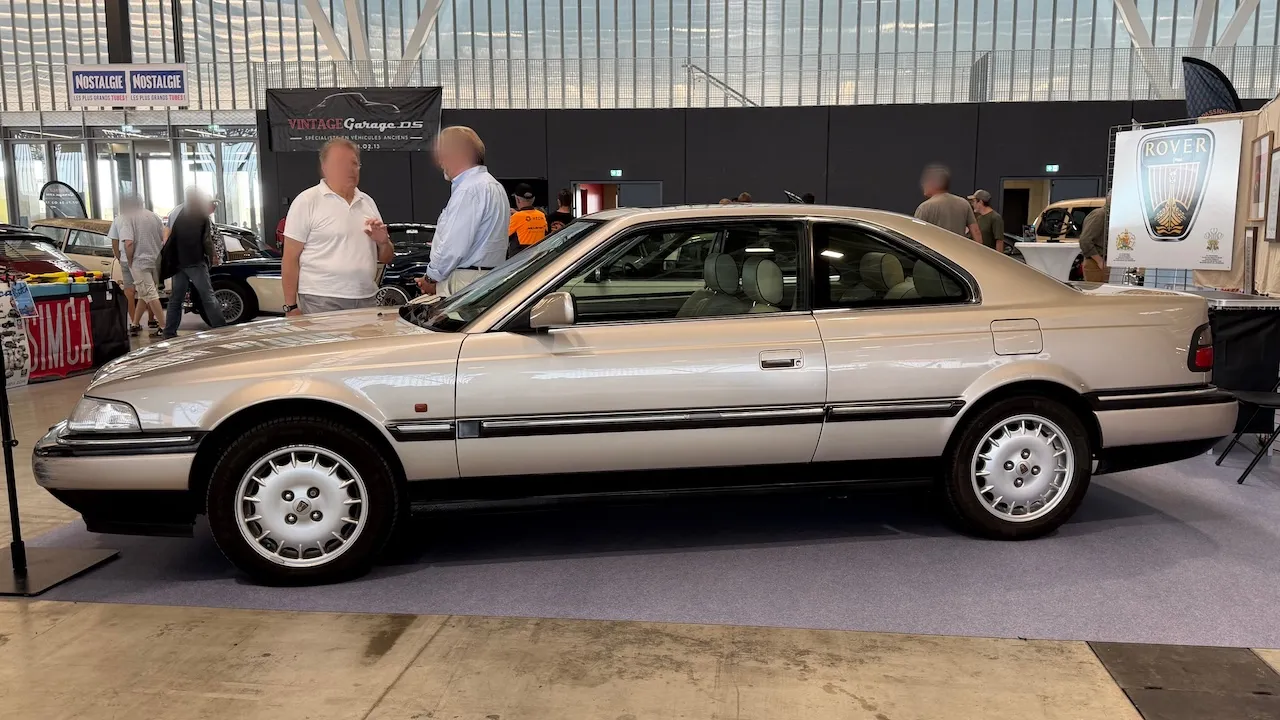
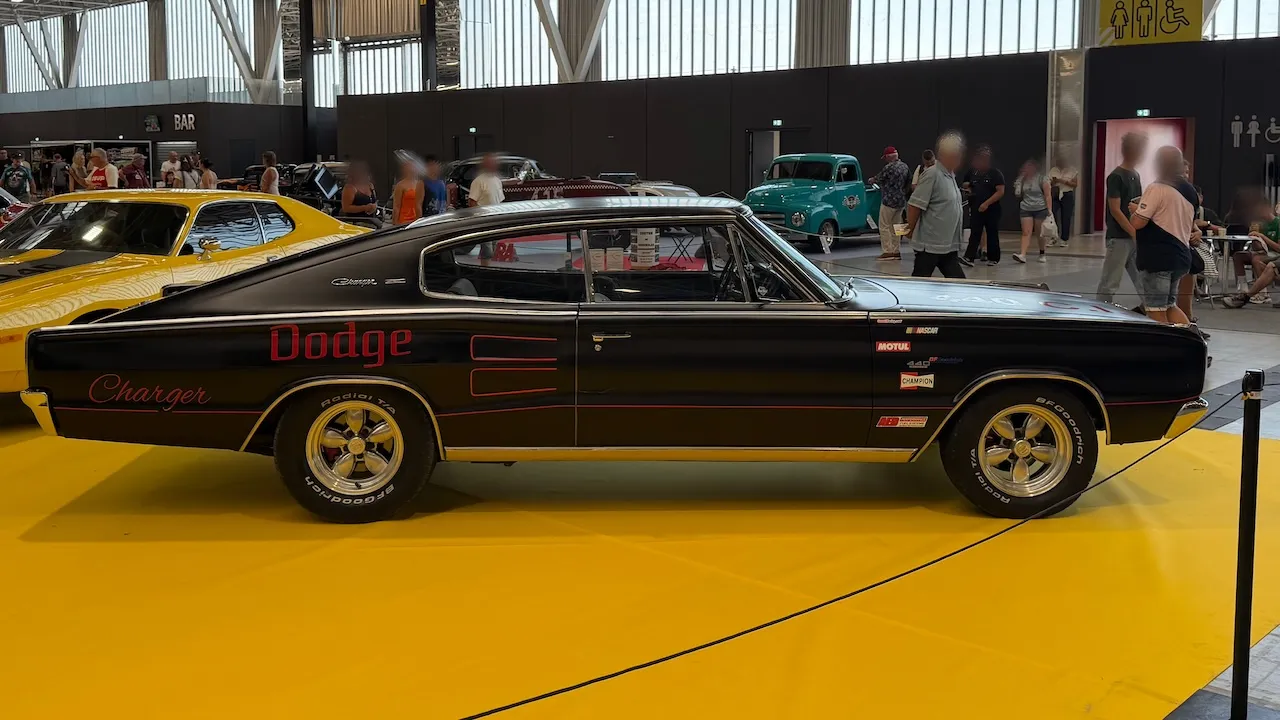
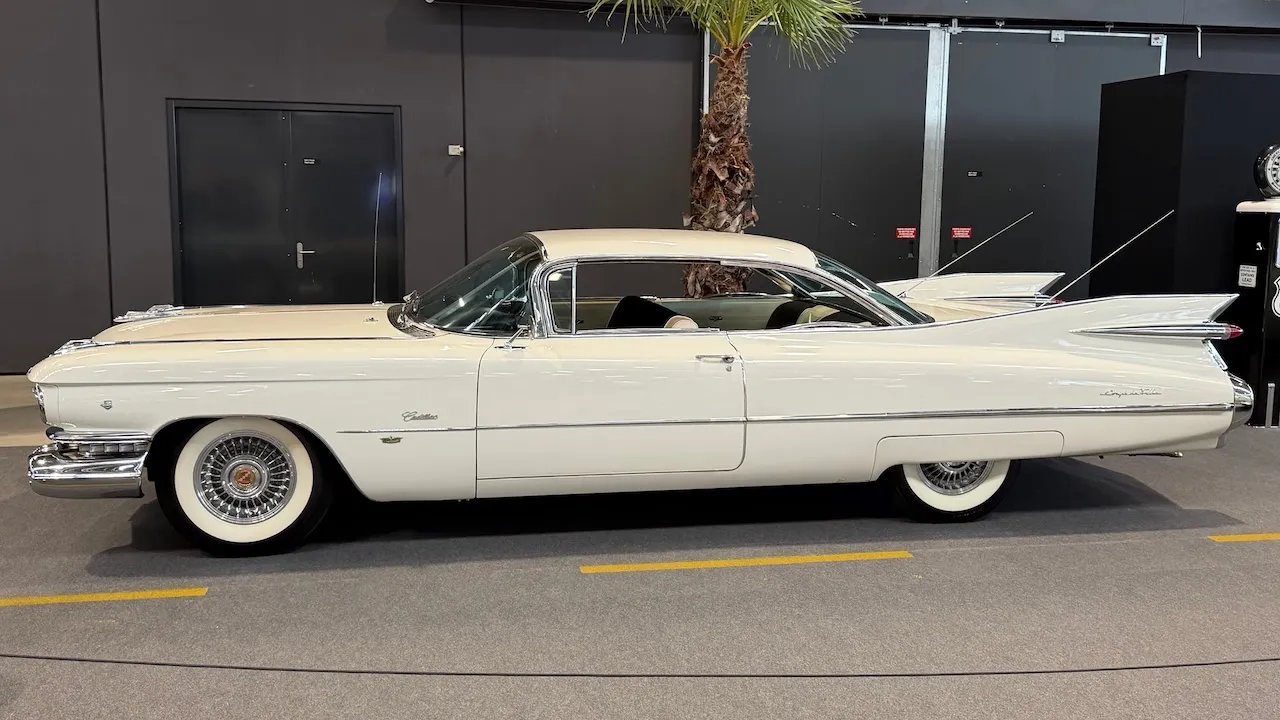
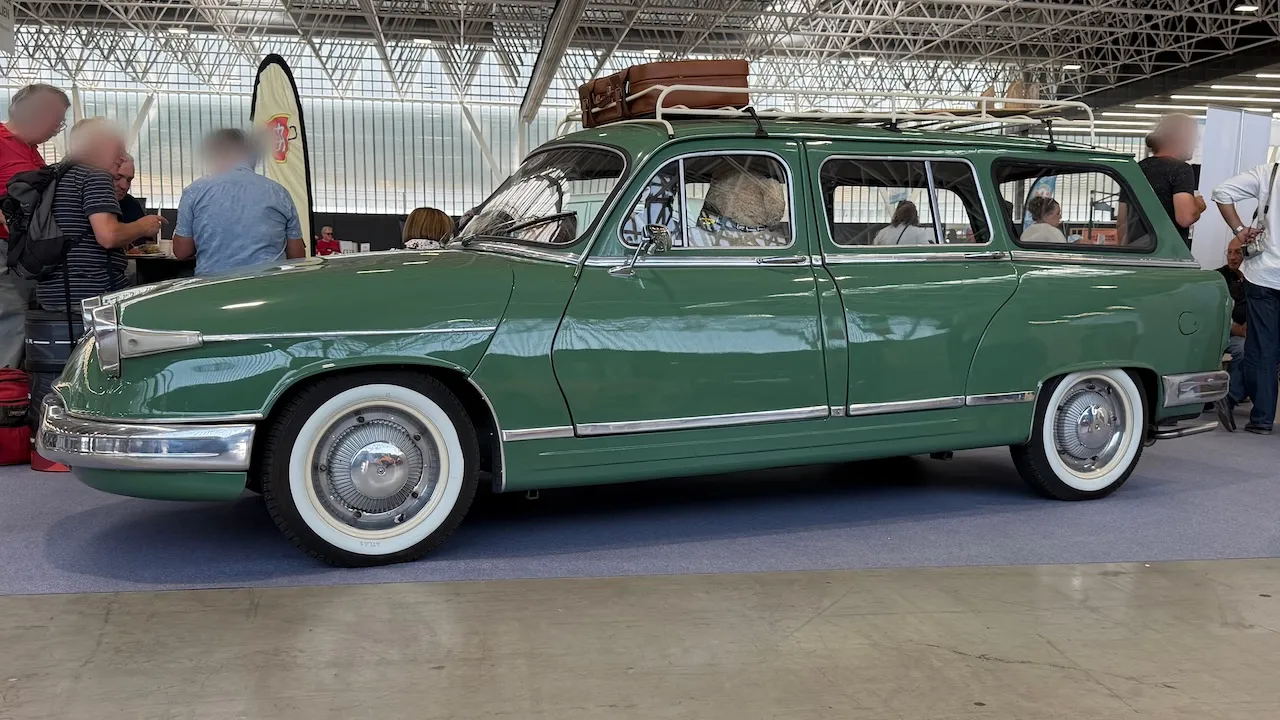
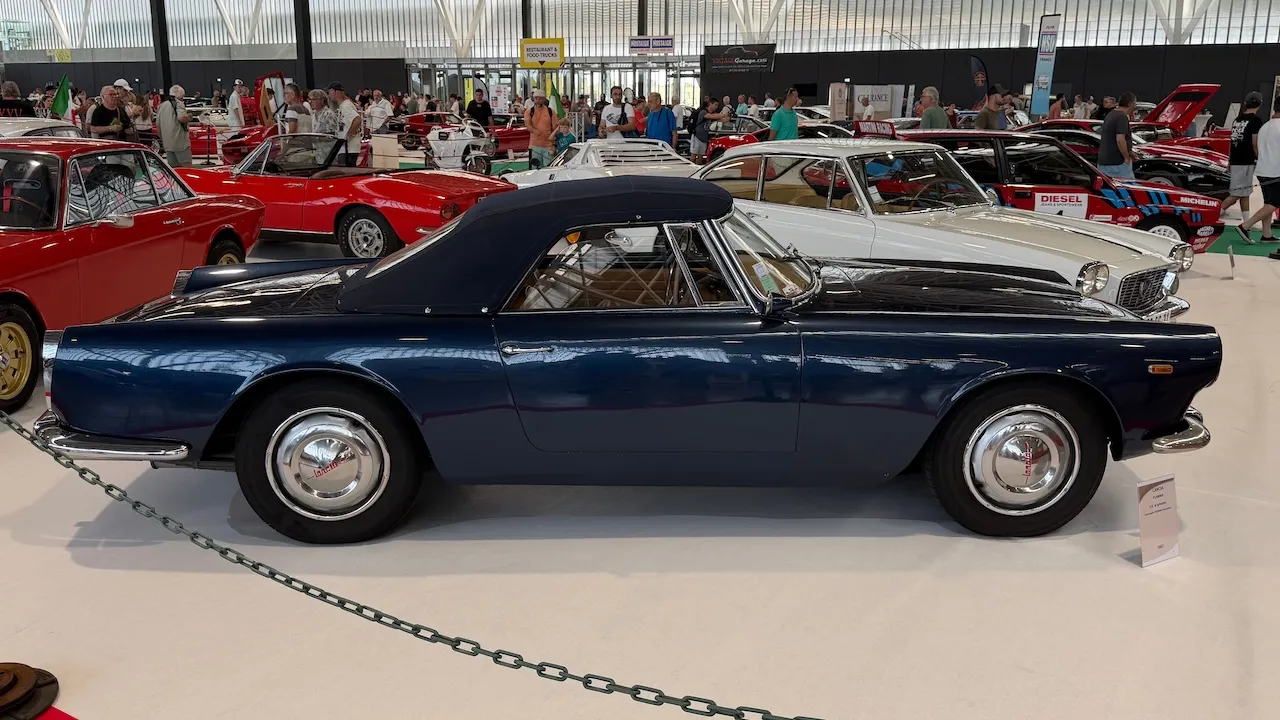
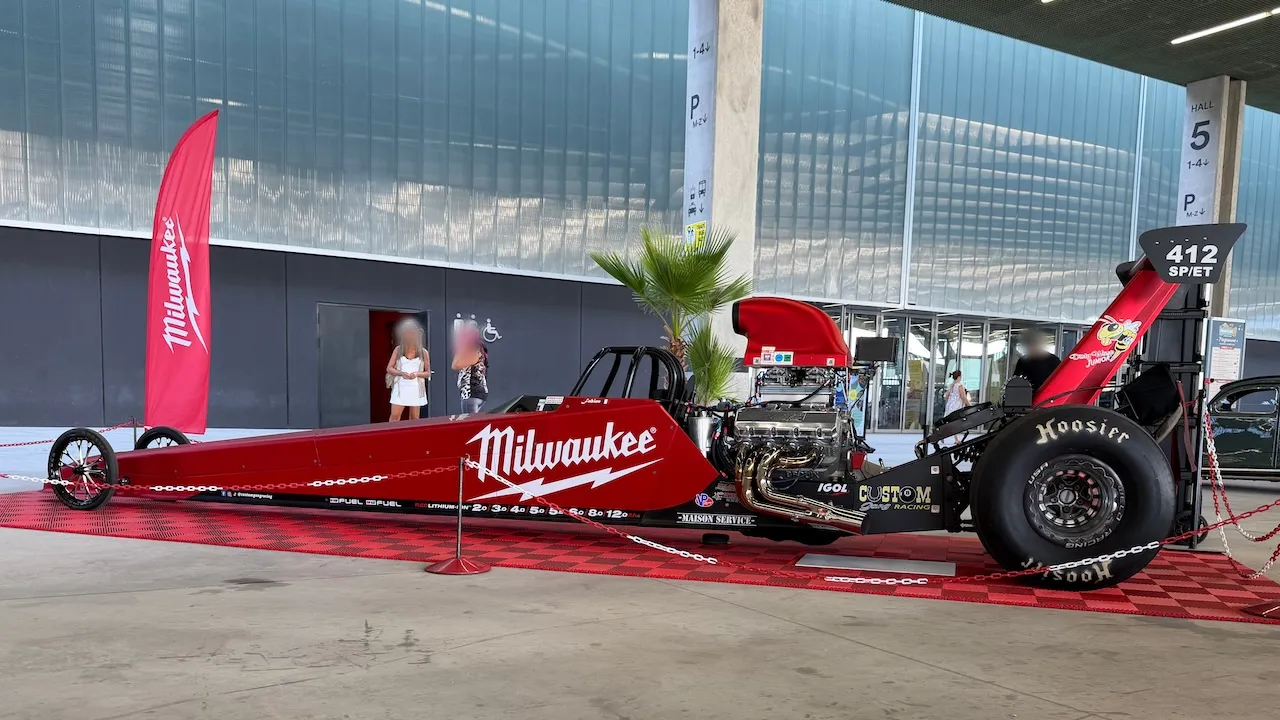
The other cars are: AMC Renault Alliance DL; 1961 Peugeot D4B; Salmson; Rover Coupe; Dodge Charger; 1959 Cadillac; SM with 205; R8 Gordini with 205; Ford Vedette; MG Midget MGCC France; BMW 507; Panhard PL17 Break; Lancia Flaminia; Simca; Peugeot 201; Ford V8 Coupe; 404s with Panhard; Corvette C3; Dragster.
More about this event on the official webpage.
More information on Instagram or below. Swipe the pictures with your finger (mobile devices) or mouse (desktop).
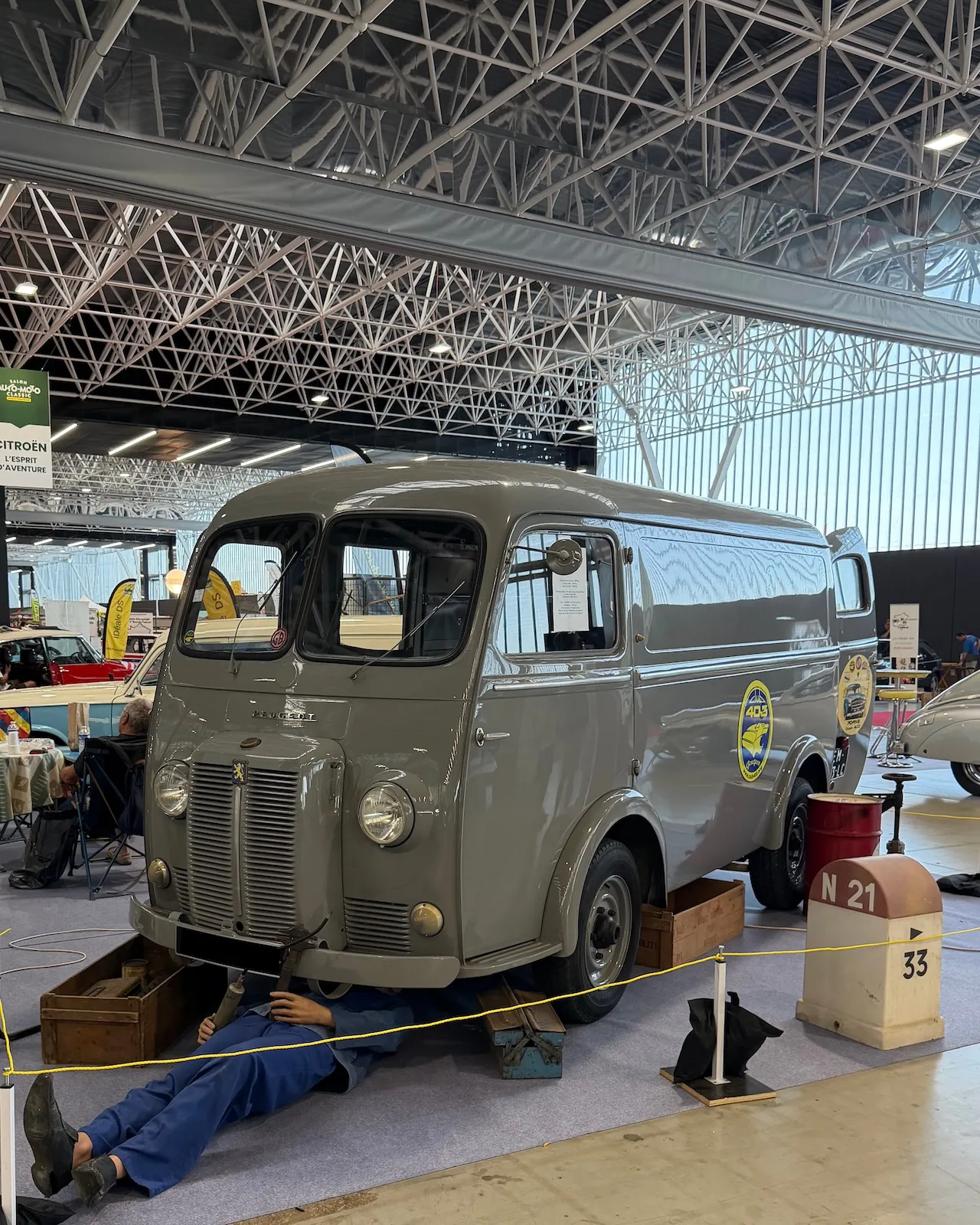
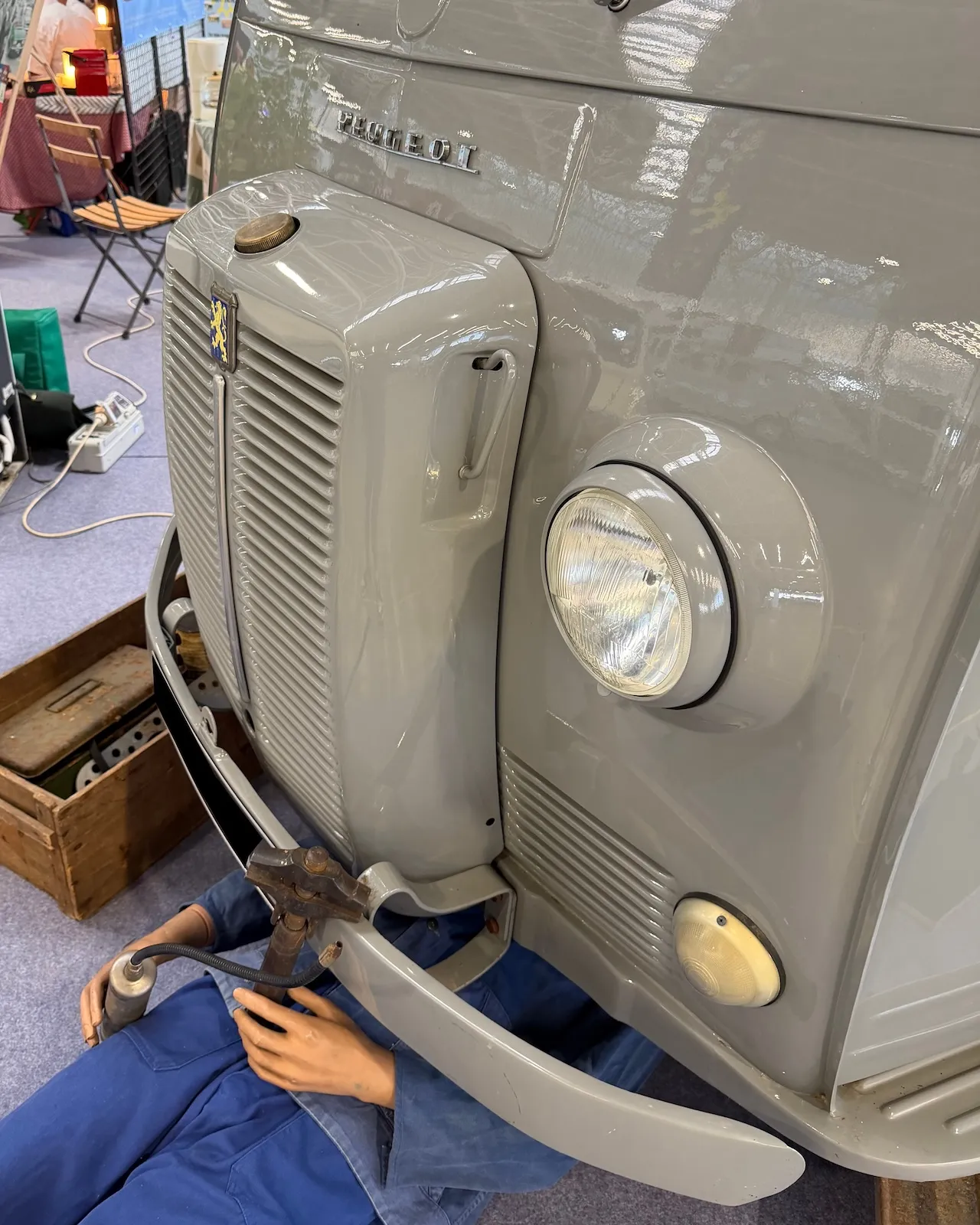
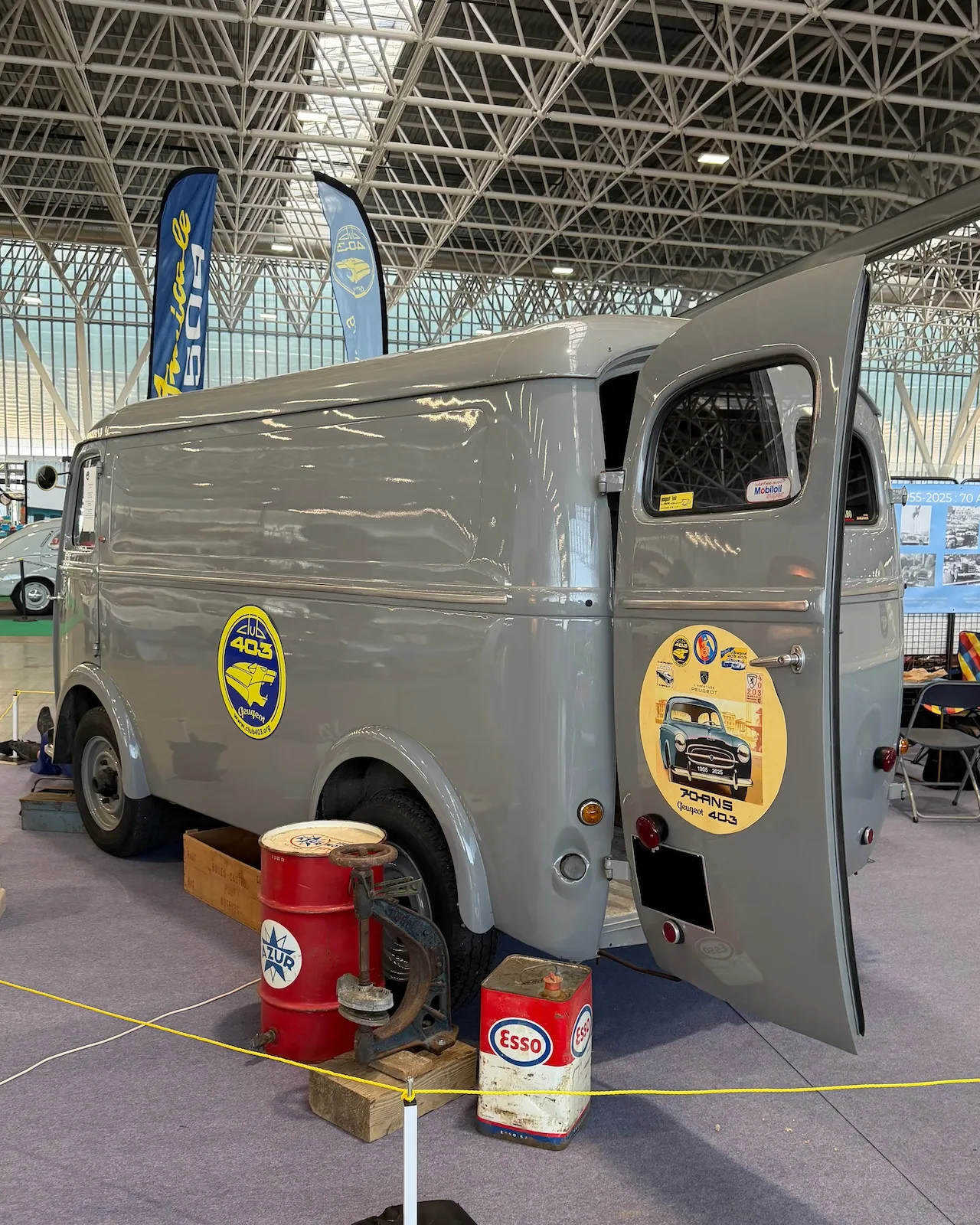
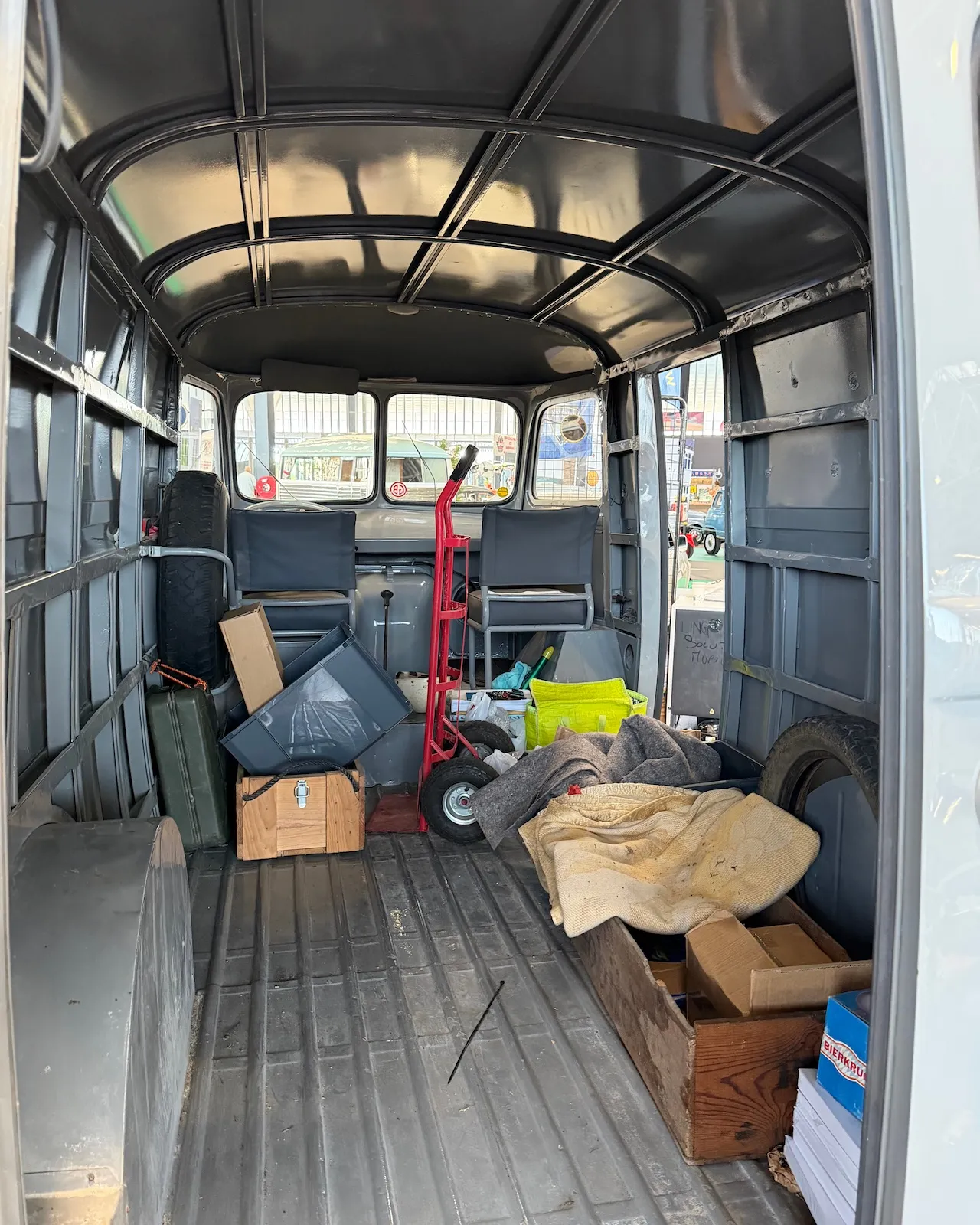
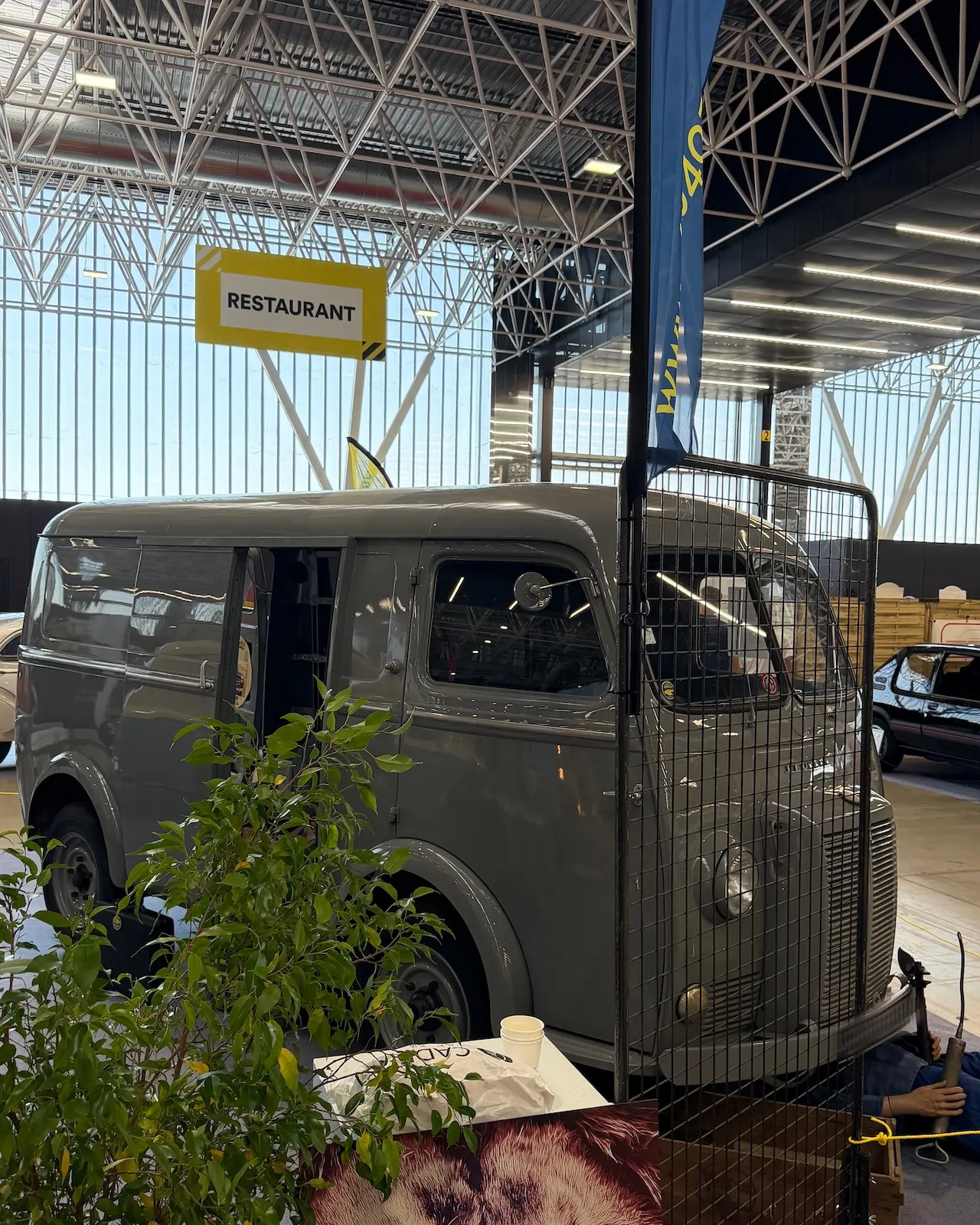
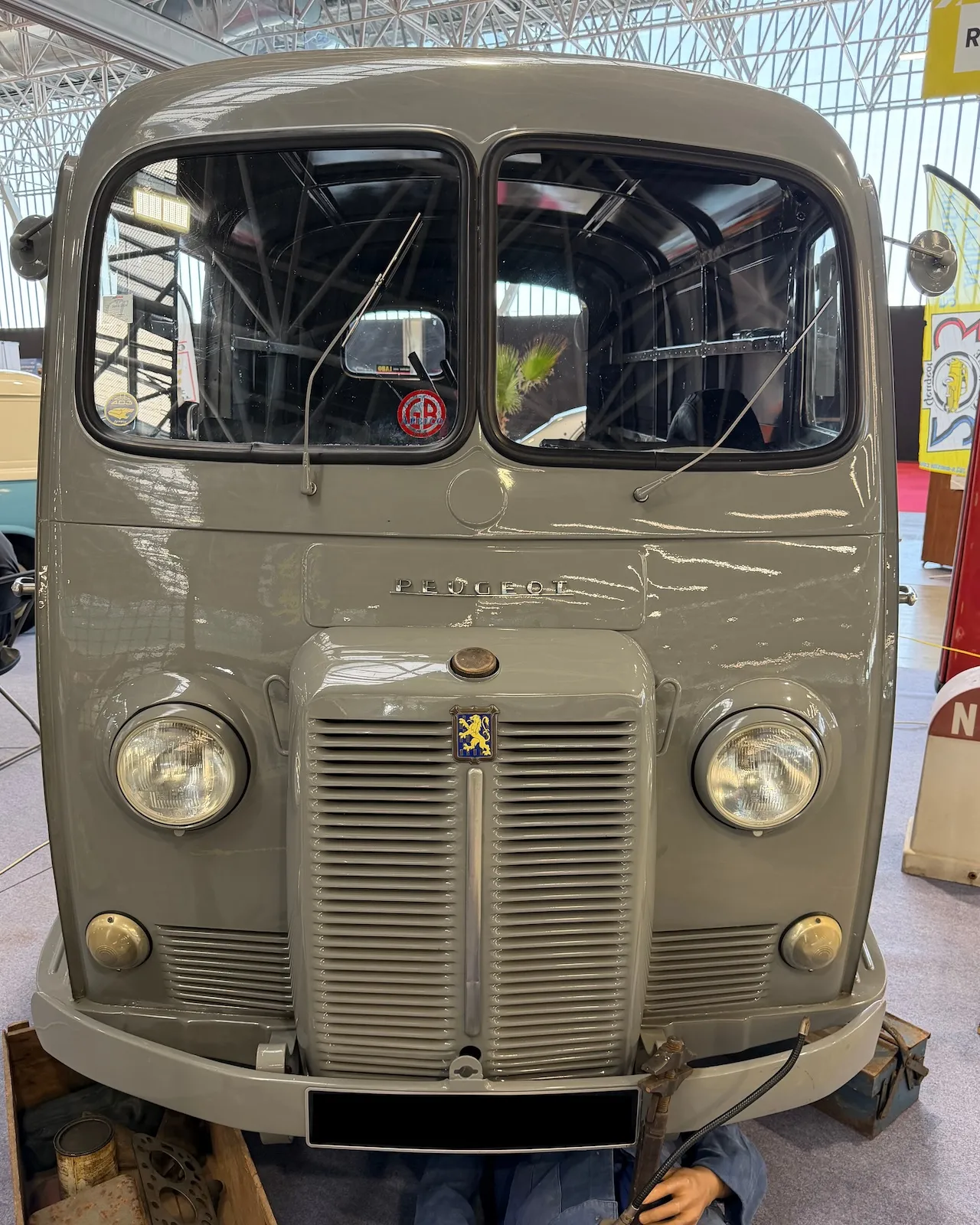
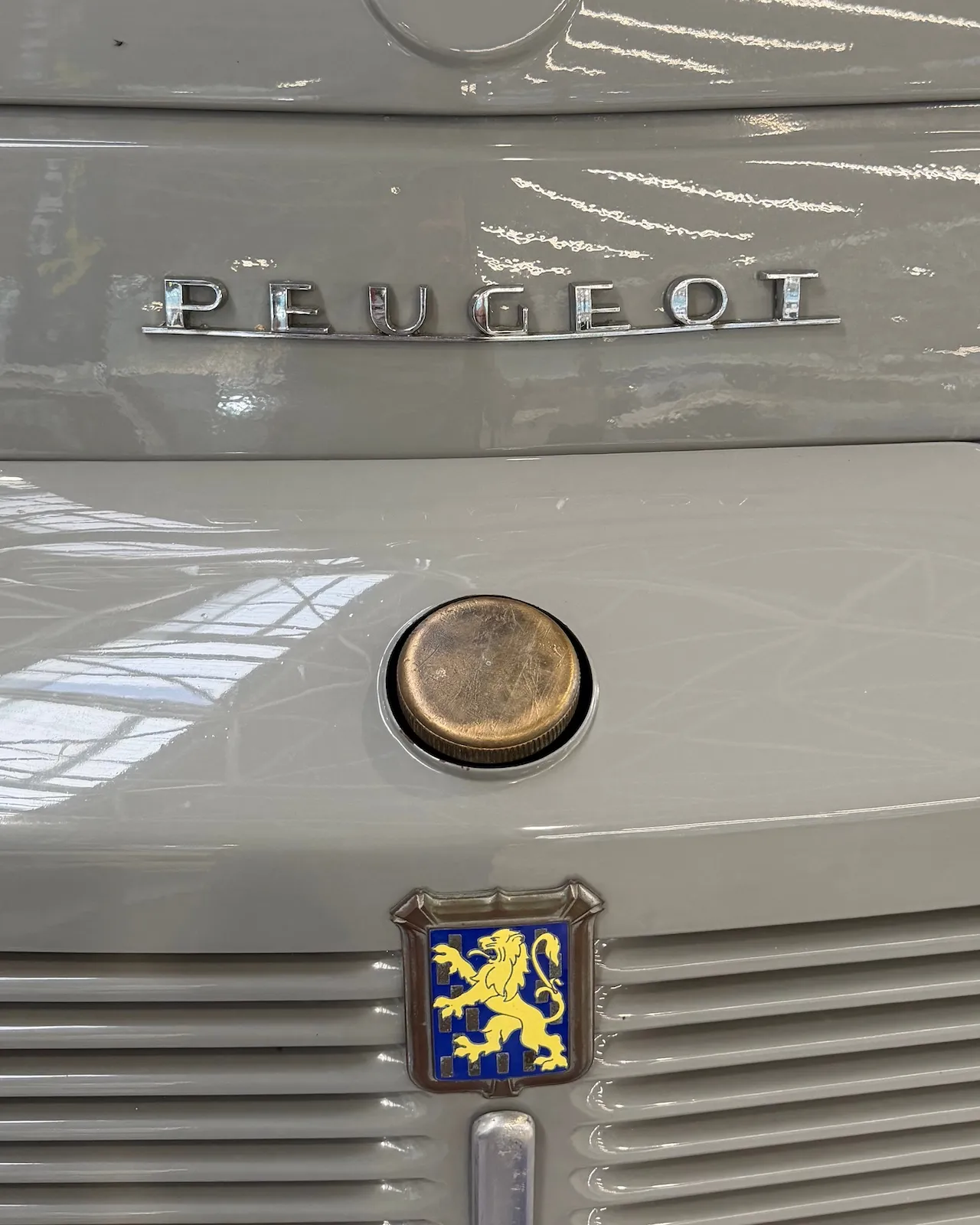
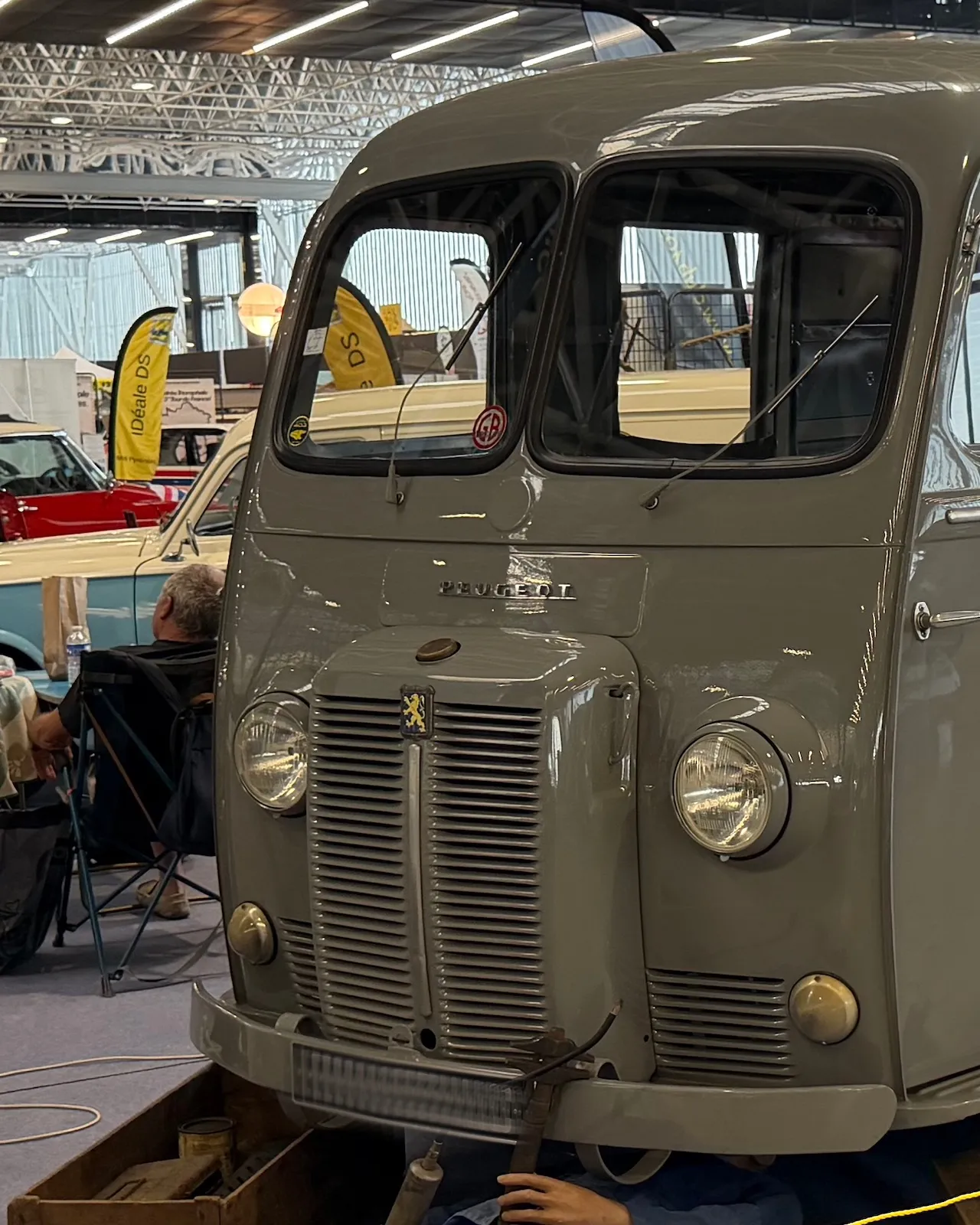
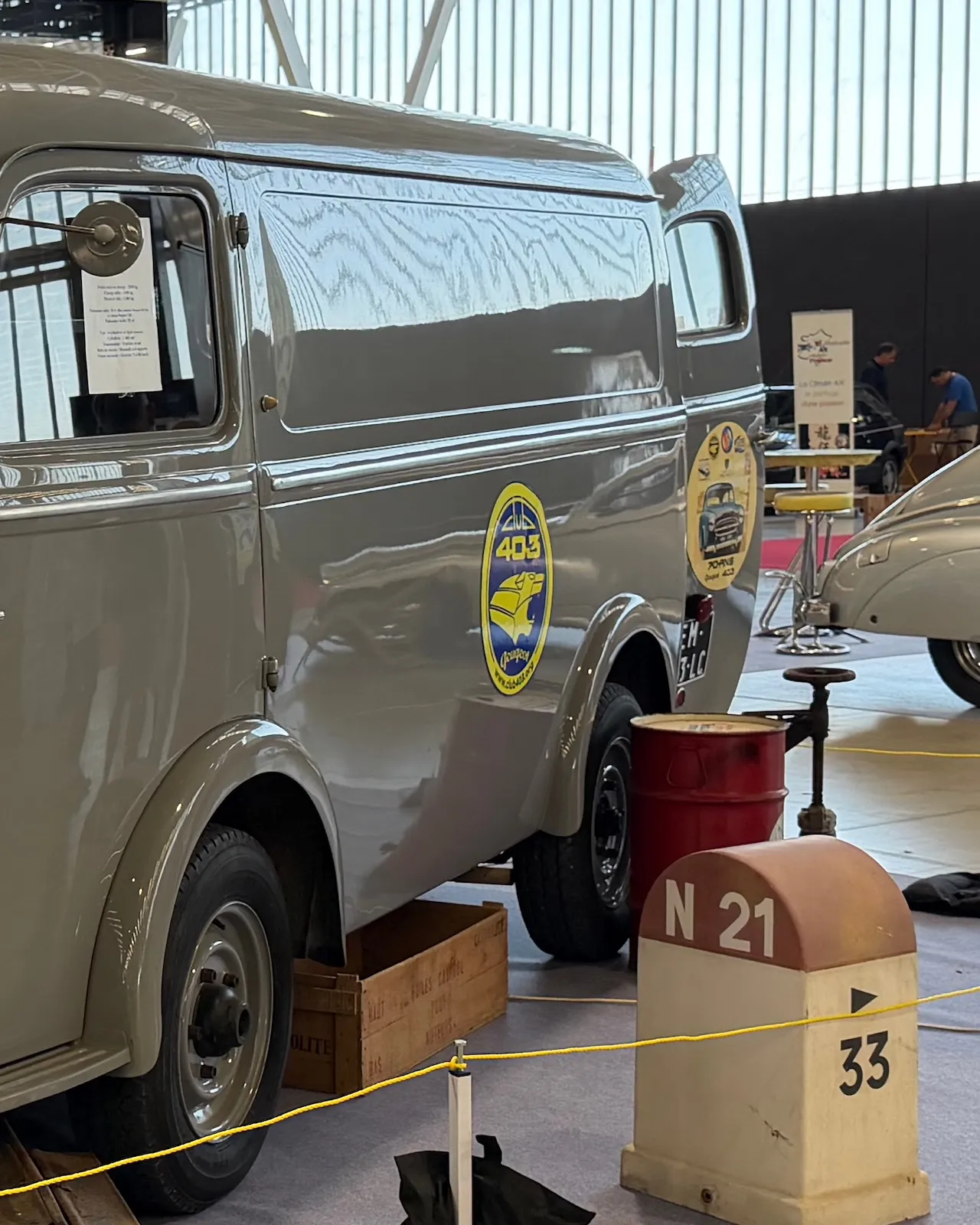
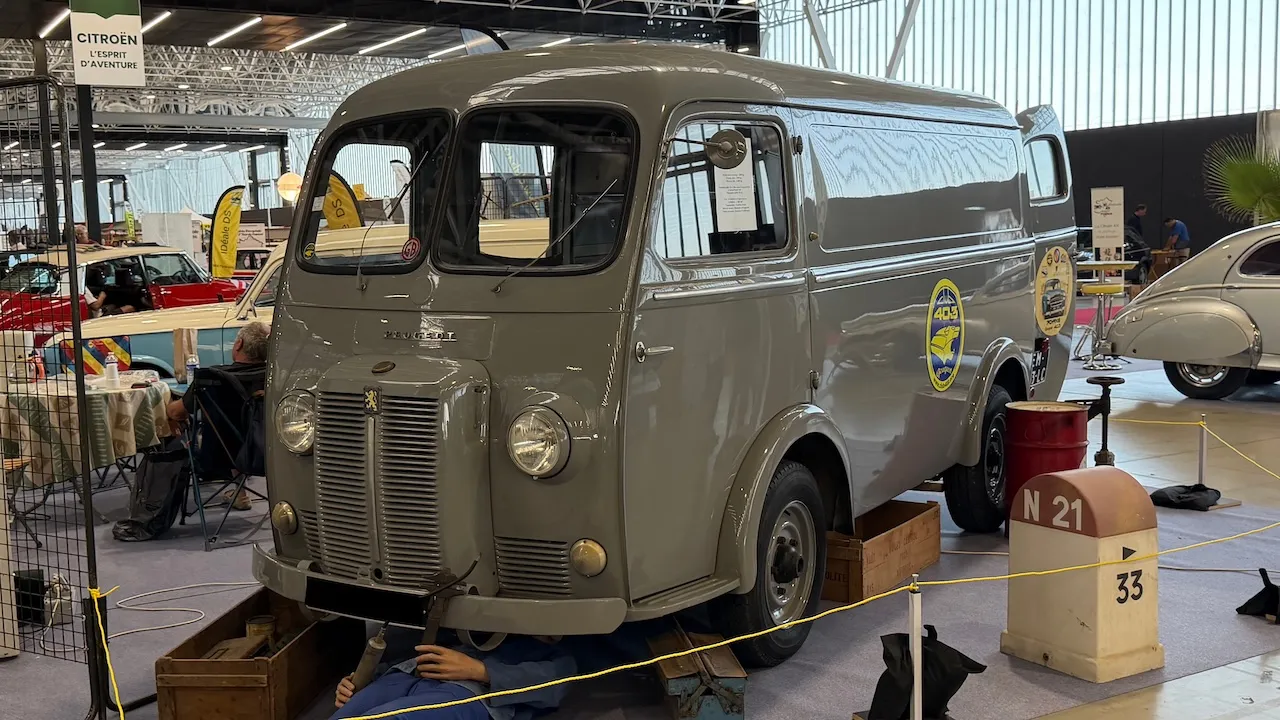
1961 Peugeot D4B, with a payload of around 15000 kg, 8 CV, a 403 8 CV engine block and 203 cylinder head, 1468 cc, front-wheel drive, a 4-speed gearbox, and a top speed of around 80 km/h.
Quite compact for such a load capacity, and so cute with its pig nose. This van, in very good condition, was spotted a few weeks ago at the excellent Salon Auto-Moto in Toulouse. Thanks to the owner!
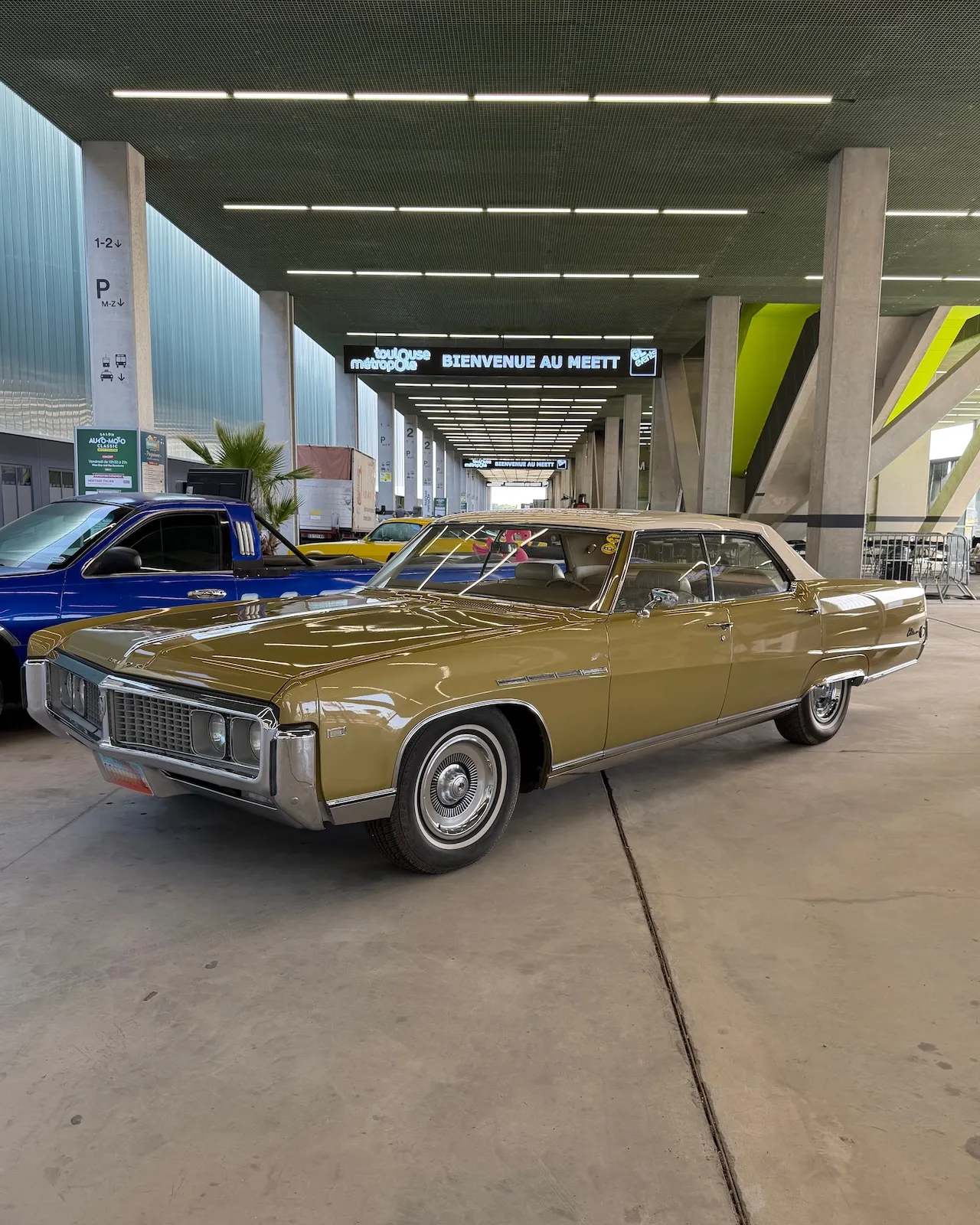
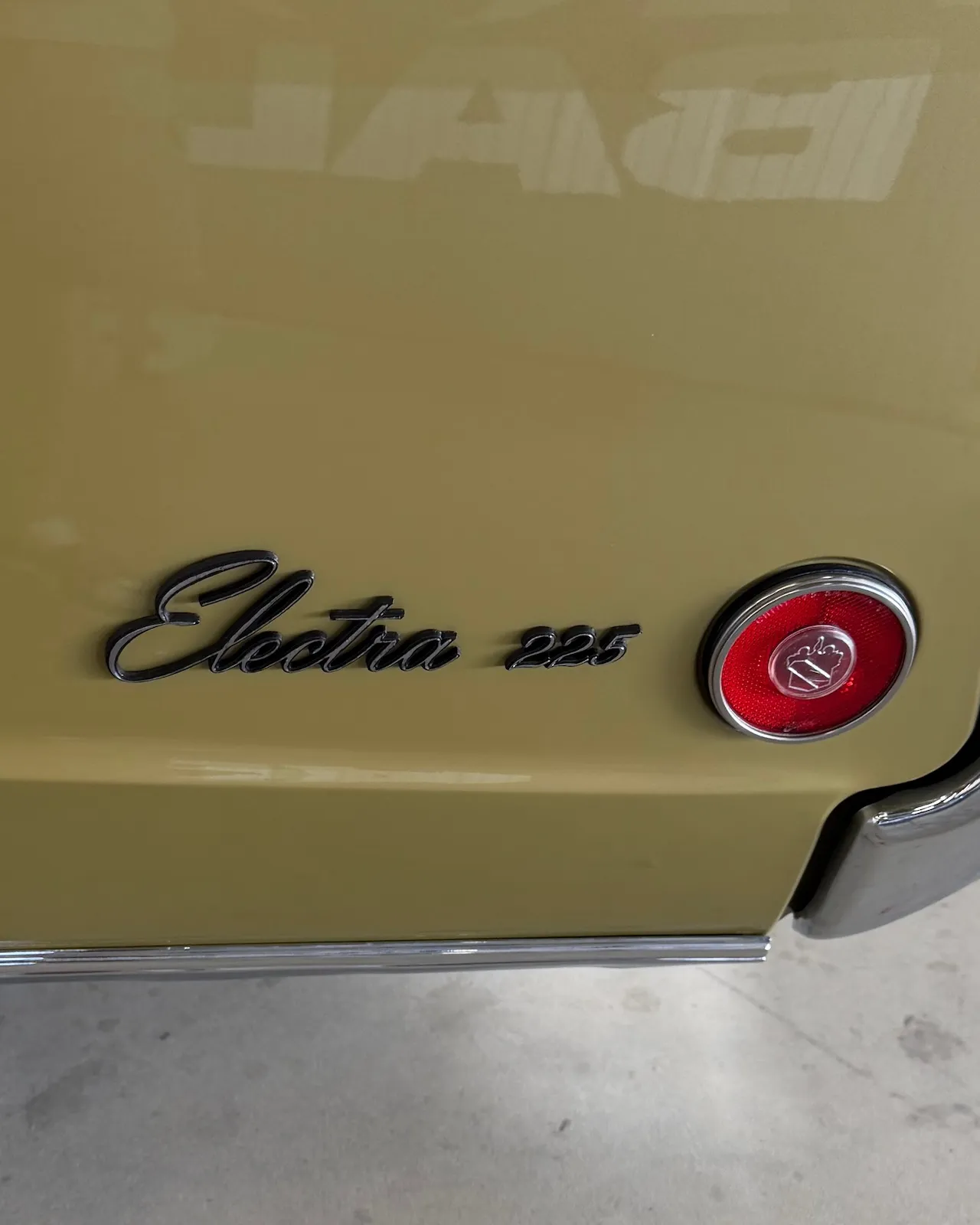
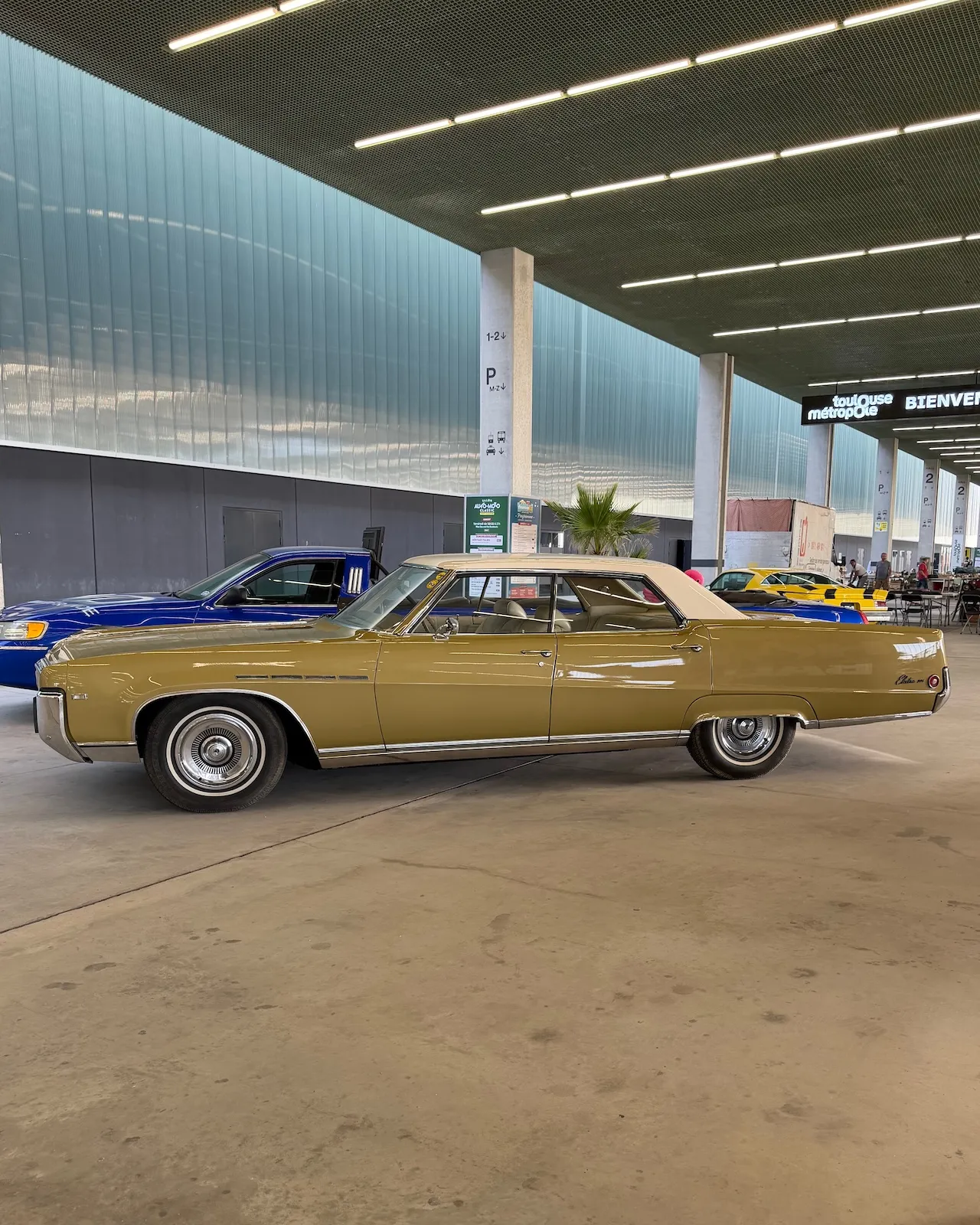
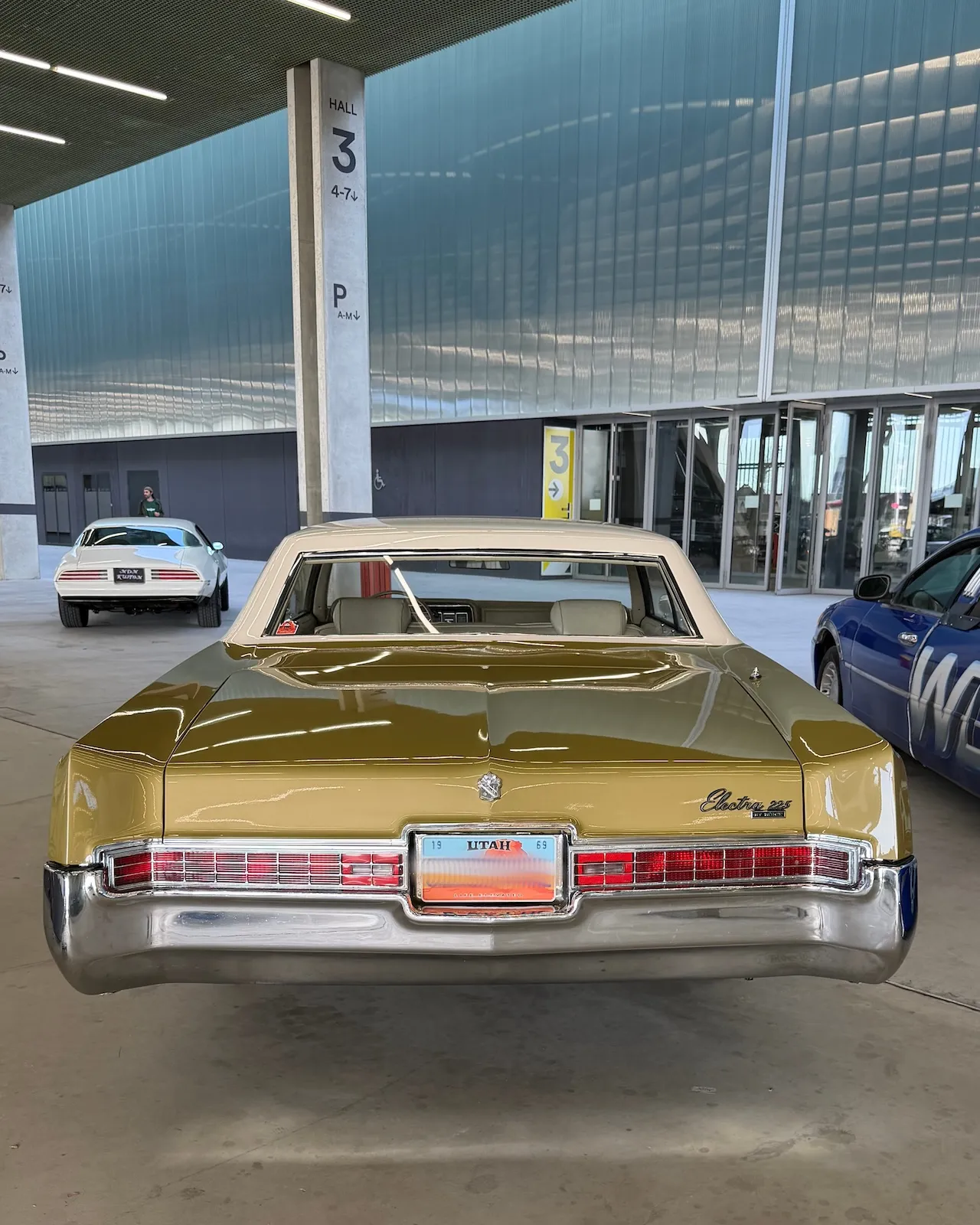
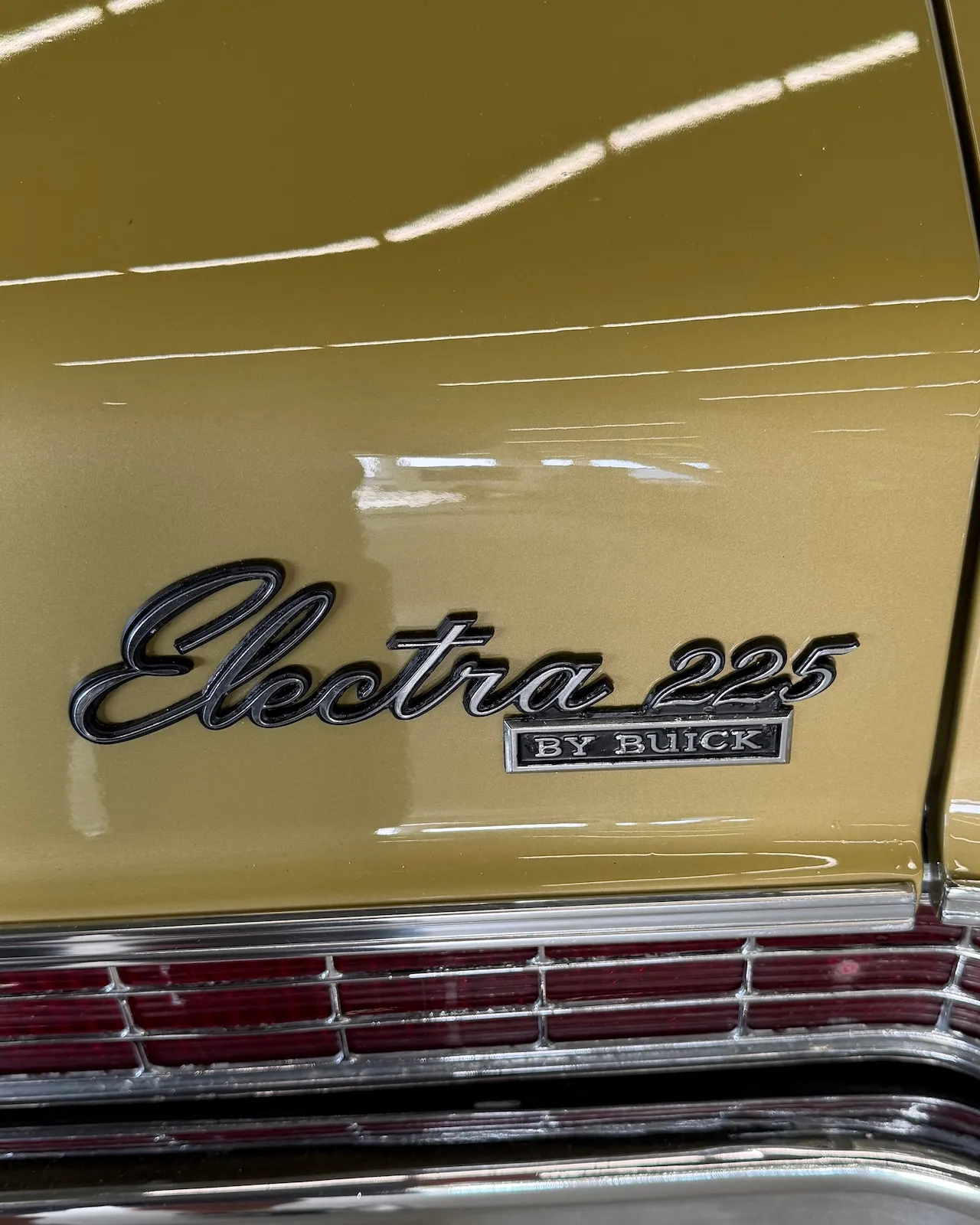
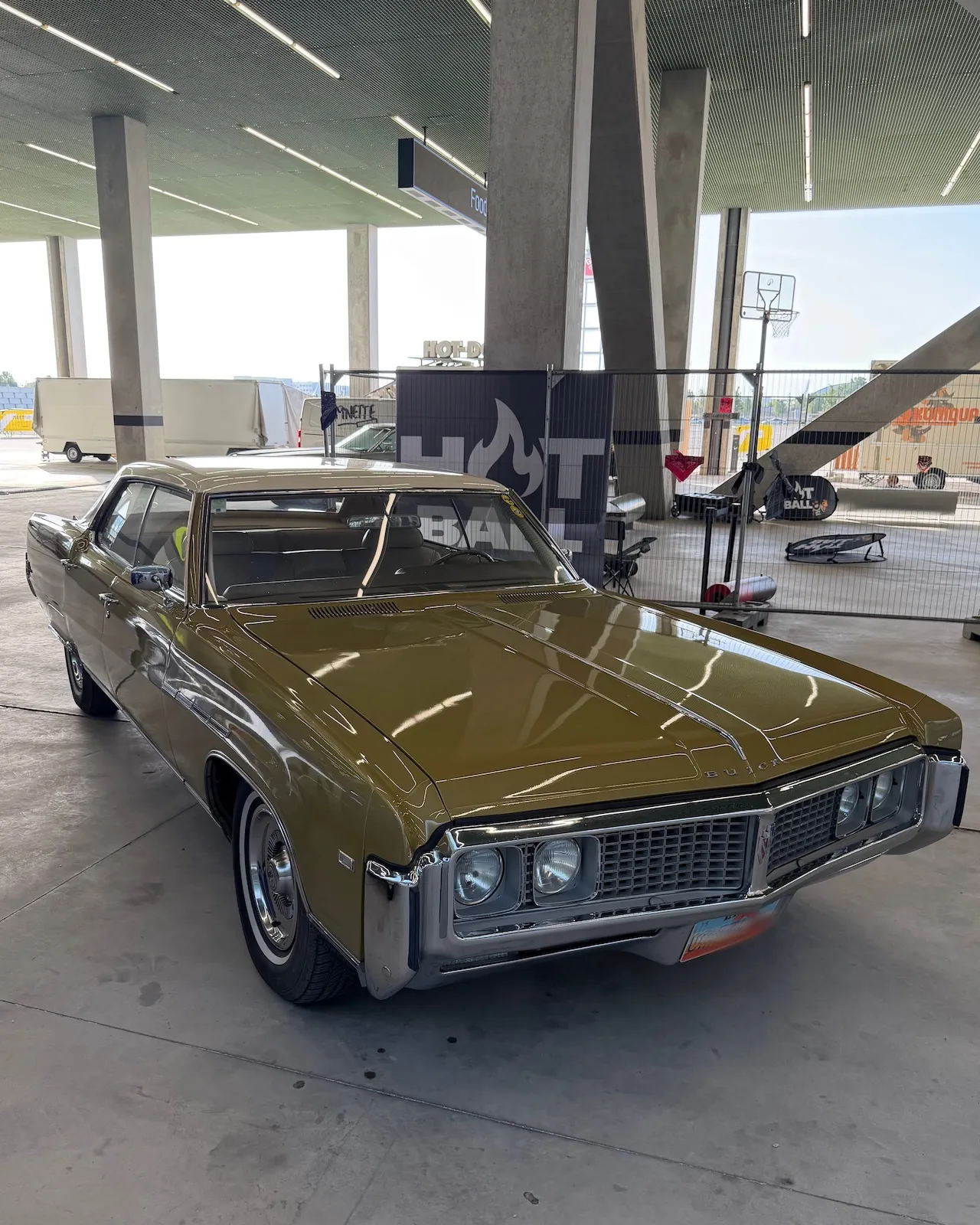
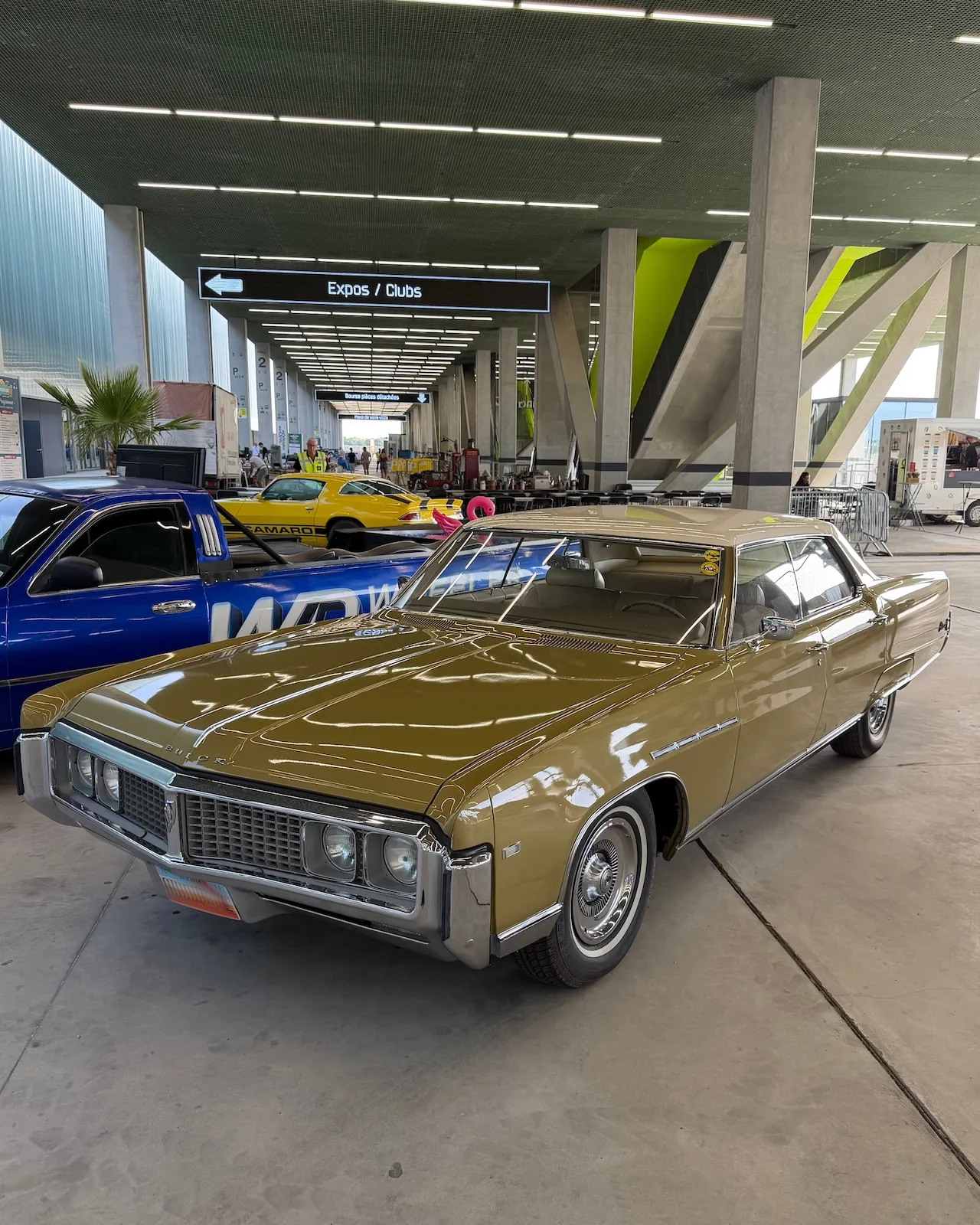
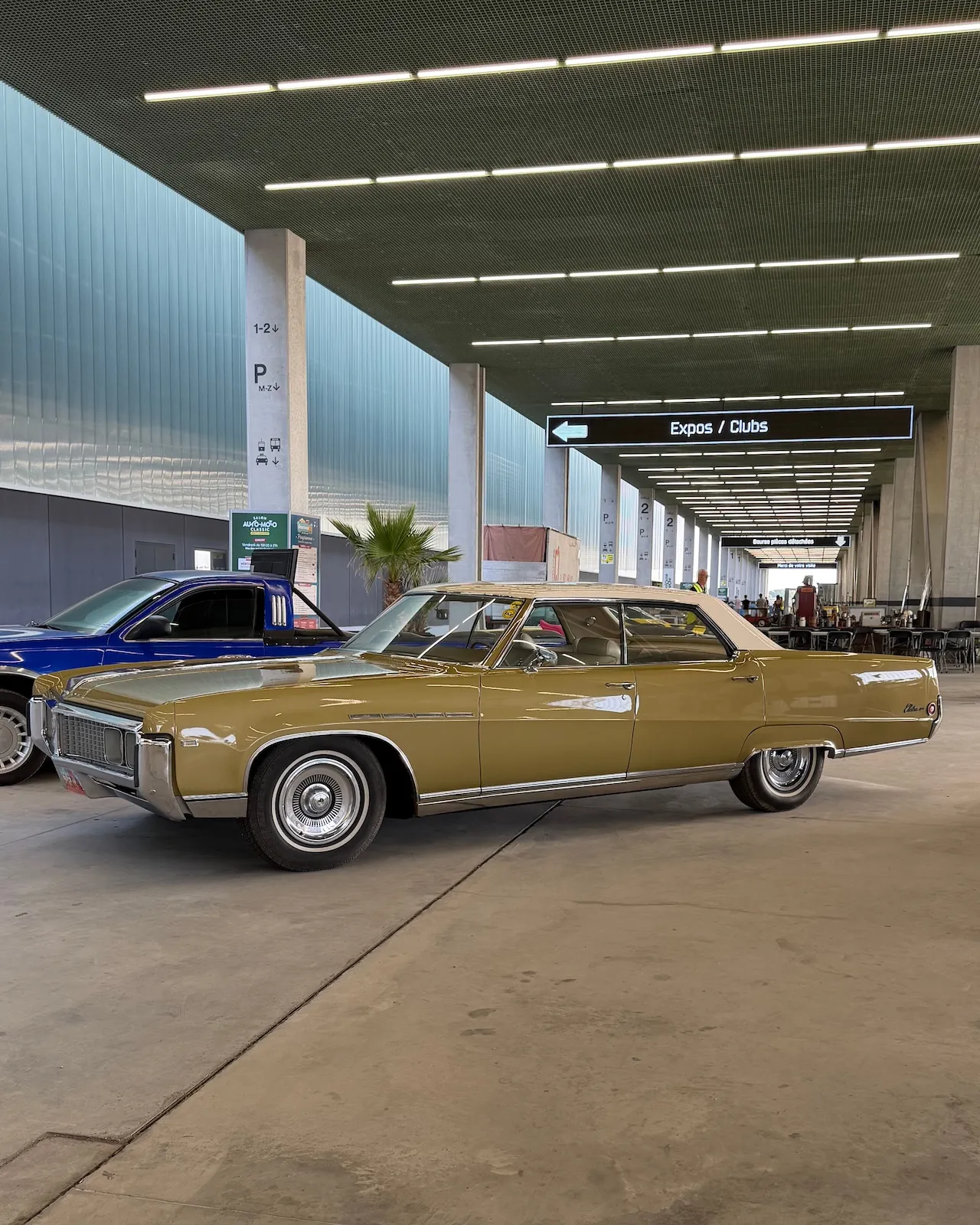
1969 Buick Electra 225, four-door hardtop, third generation of the Electra.
In 1969, Buick's ads said: No wonder Buick owners keep selling Buicks for us and Wouldn't you really rather have a Buick? Because nothing says confidence in your product quite like asking people to sell it for you. So great.
Enjoy this beauty, spotted at the Salon Auto-Moto in Toulouse.
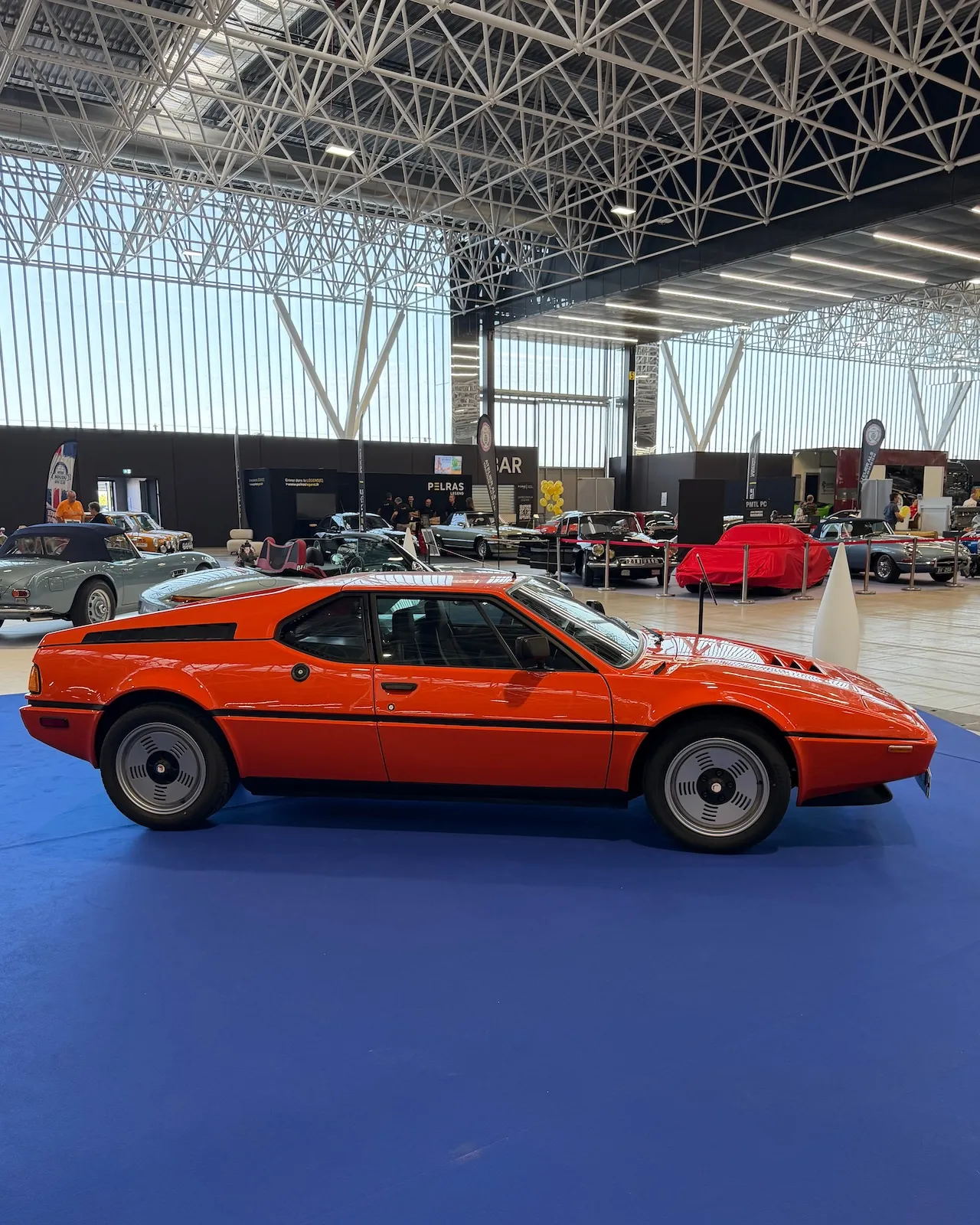
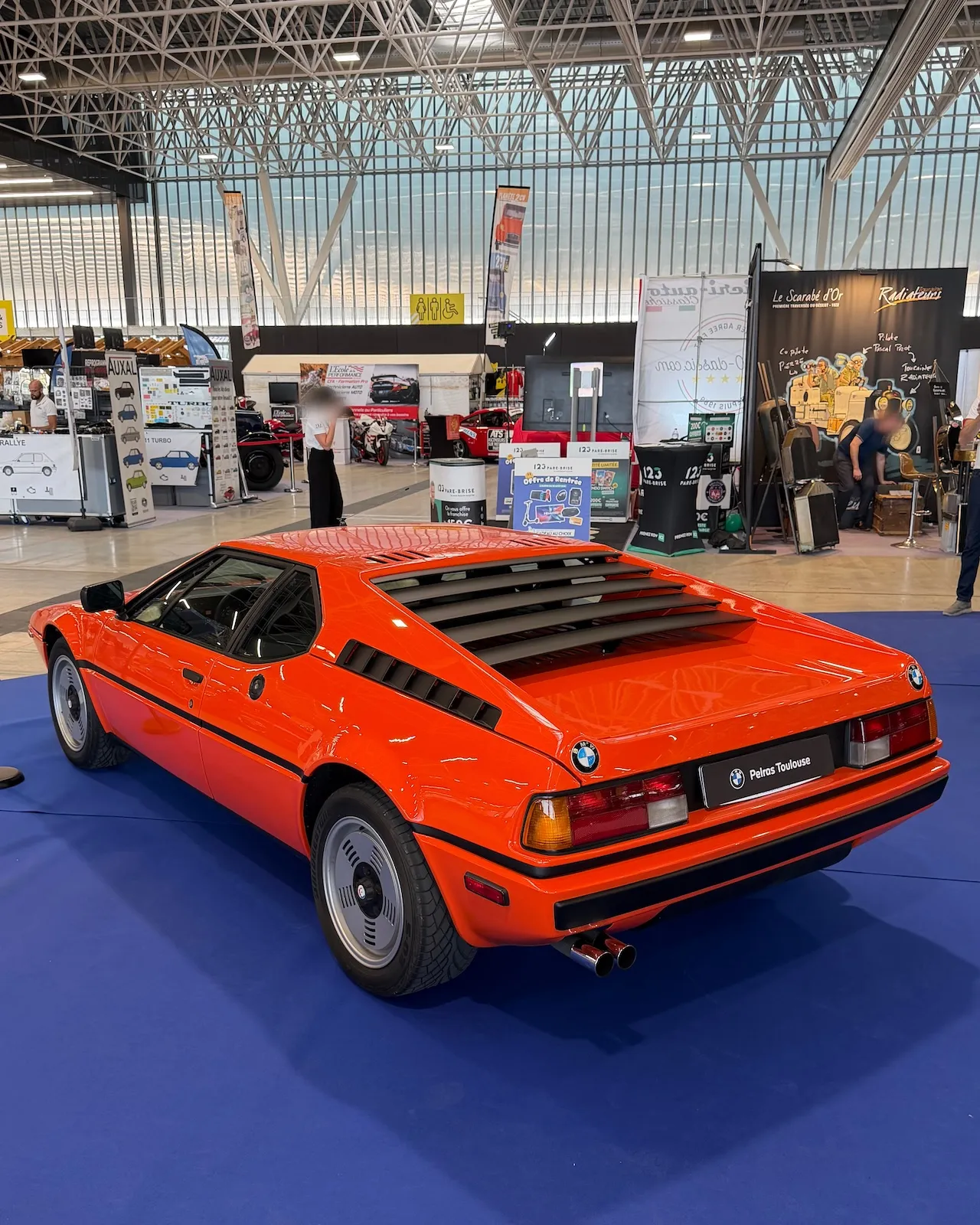
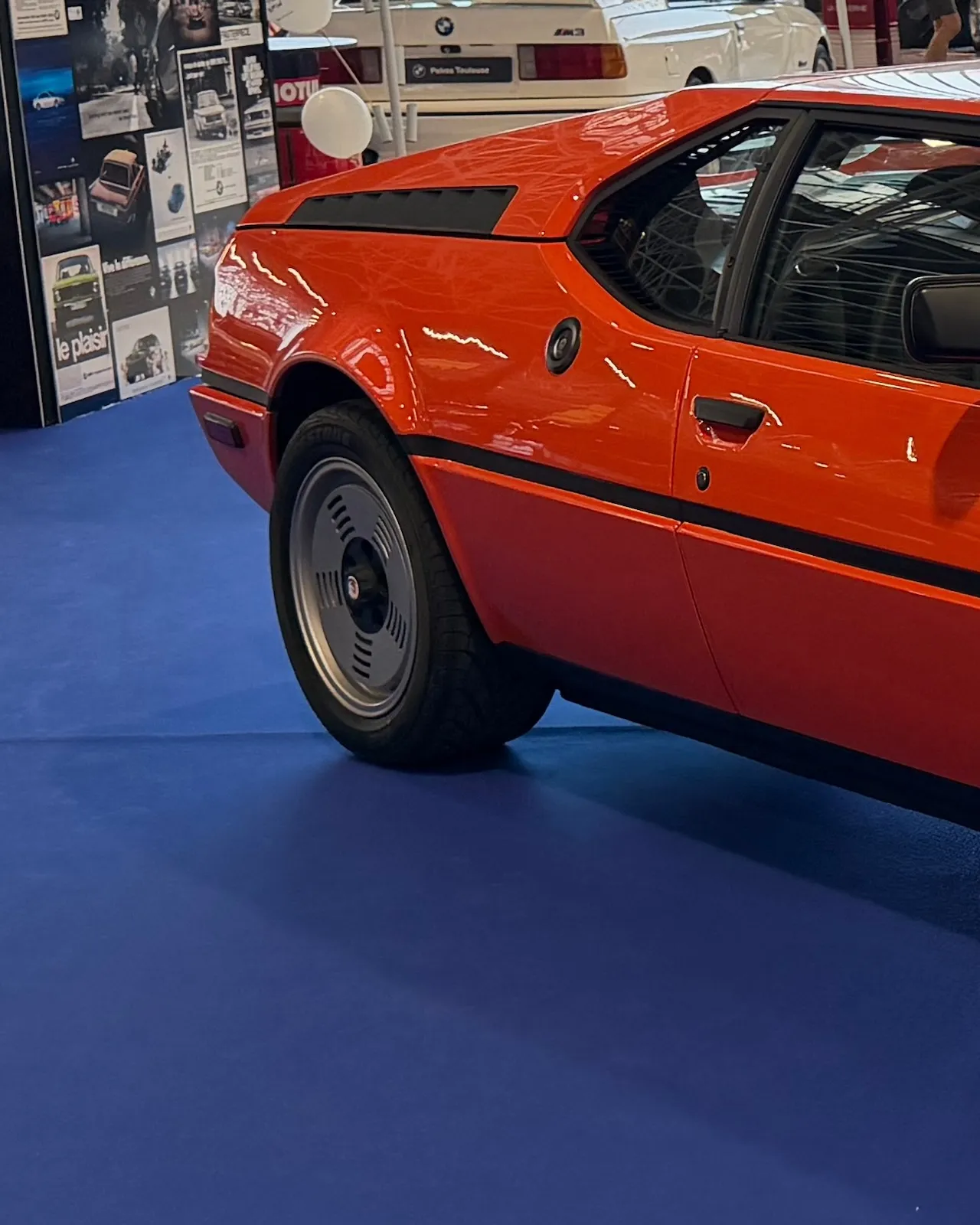
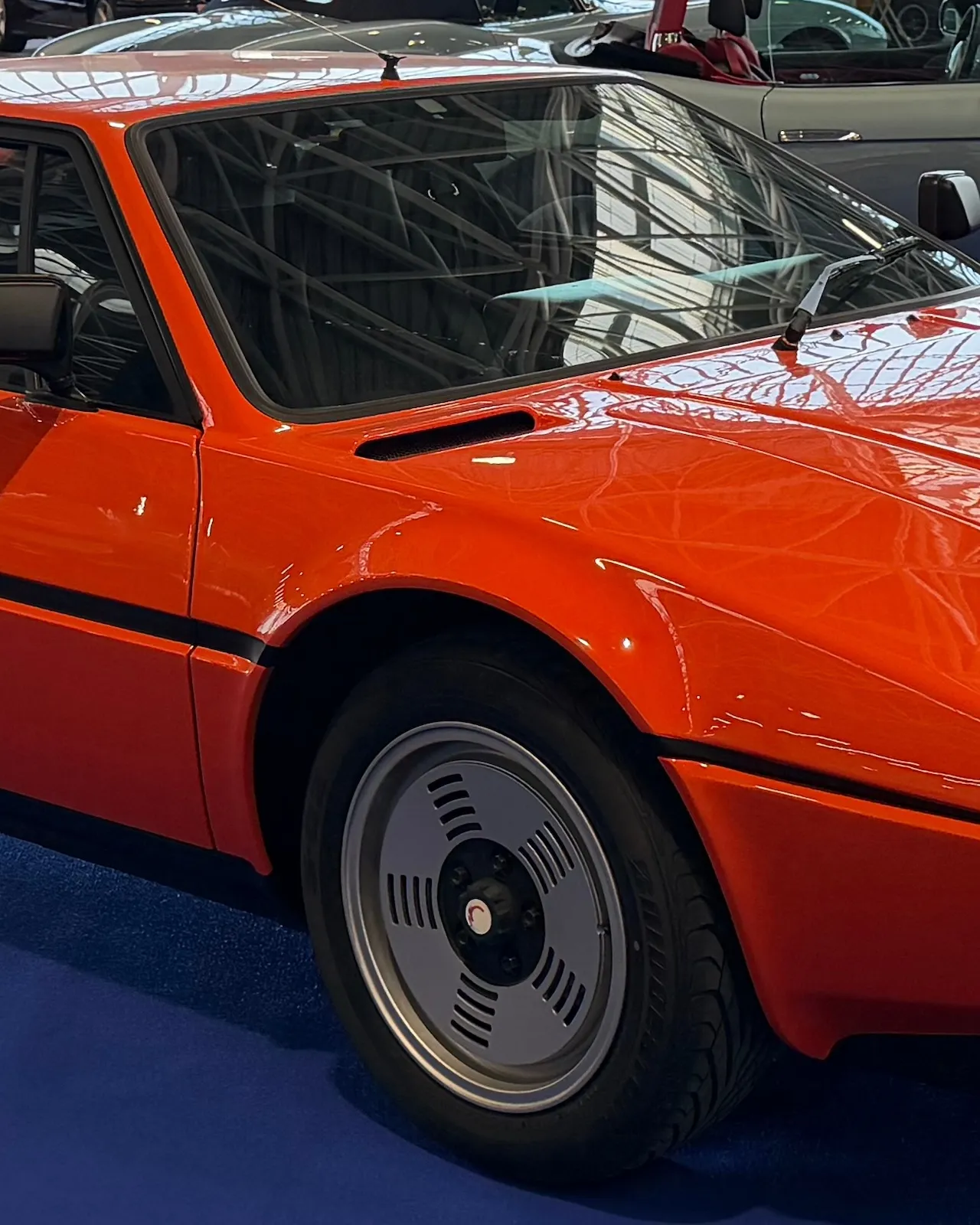
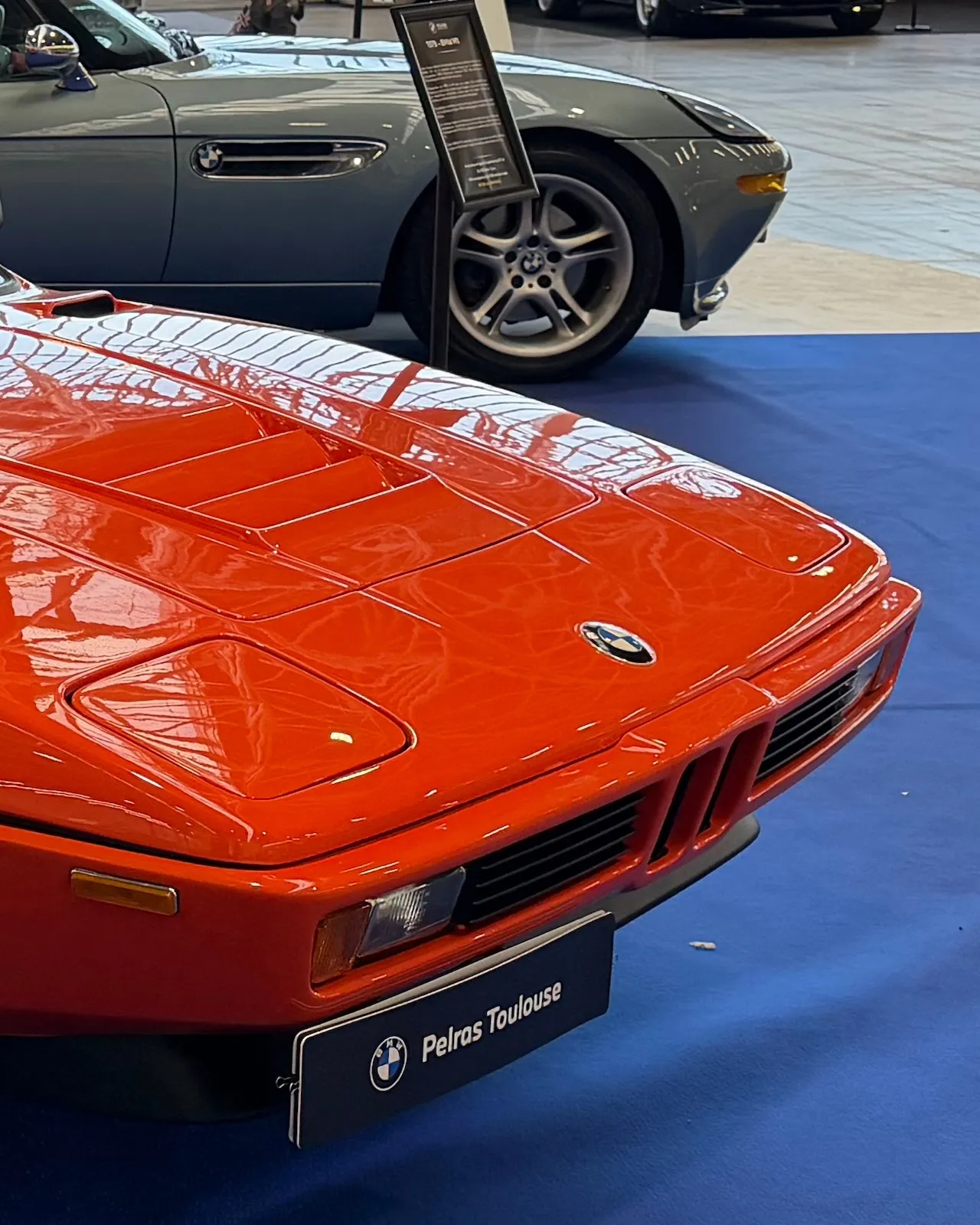
The mother of all M cars. Born out of a desire to compete in Group 4 racing, the BMW M1 was the first car designed by the BMW Motorsport racing division, launched in 1972. It was intended to serve as the basis for homologation of the race version.
Unveiled in 1978, the M1 was a very modern car for its time, thanks to its design by Giugiaro. Beneath its composite-material body, developed in collaboration with Ital Design and Baur, lies a tubular chassis designed by Lamborghini.
In the center of the car is what made BMW famous: the M88 inline-6 engine with multi-valve configuration and Bosch mechanical fuel injection (3.5 litres and around 280 HP). A fierce engine, ahead of its time, that distinguished itself in competition, notably at the 24 Hours of Le Mans, in rallying, and in the M1 Pro Car Championship, held as a support event for F1 Grand Prix races.
This BMW M1, on display at the excellent Salon Auto-Moto in Toulouse, competed in the Tour Auto driven by Patrick Lucas and Dominique Chapatte, the famous host of M6 Turbo. A rare car, approximately 400 units were produced. Splendid.
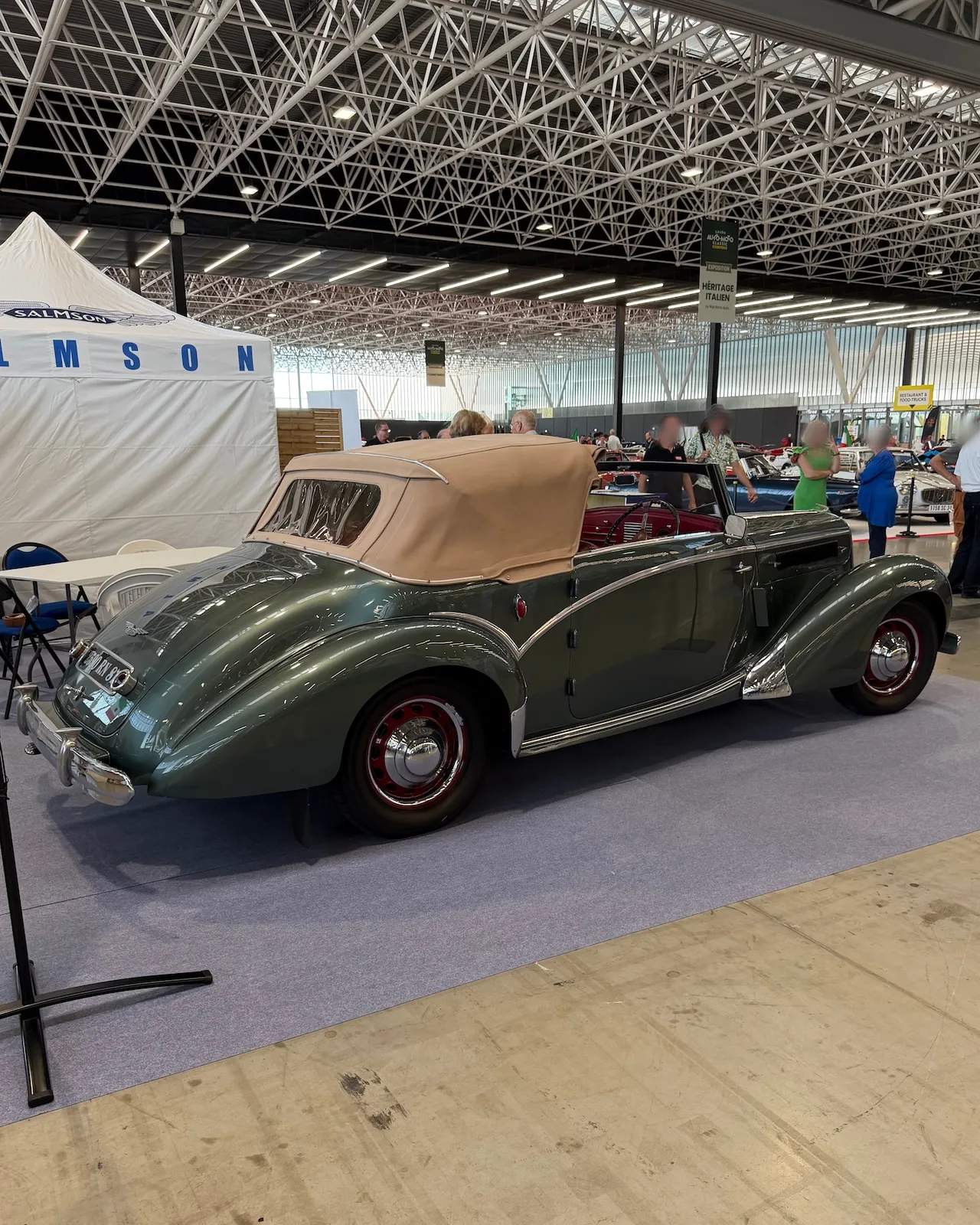
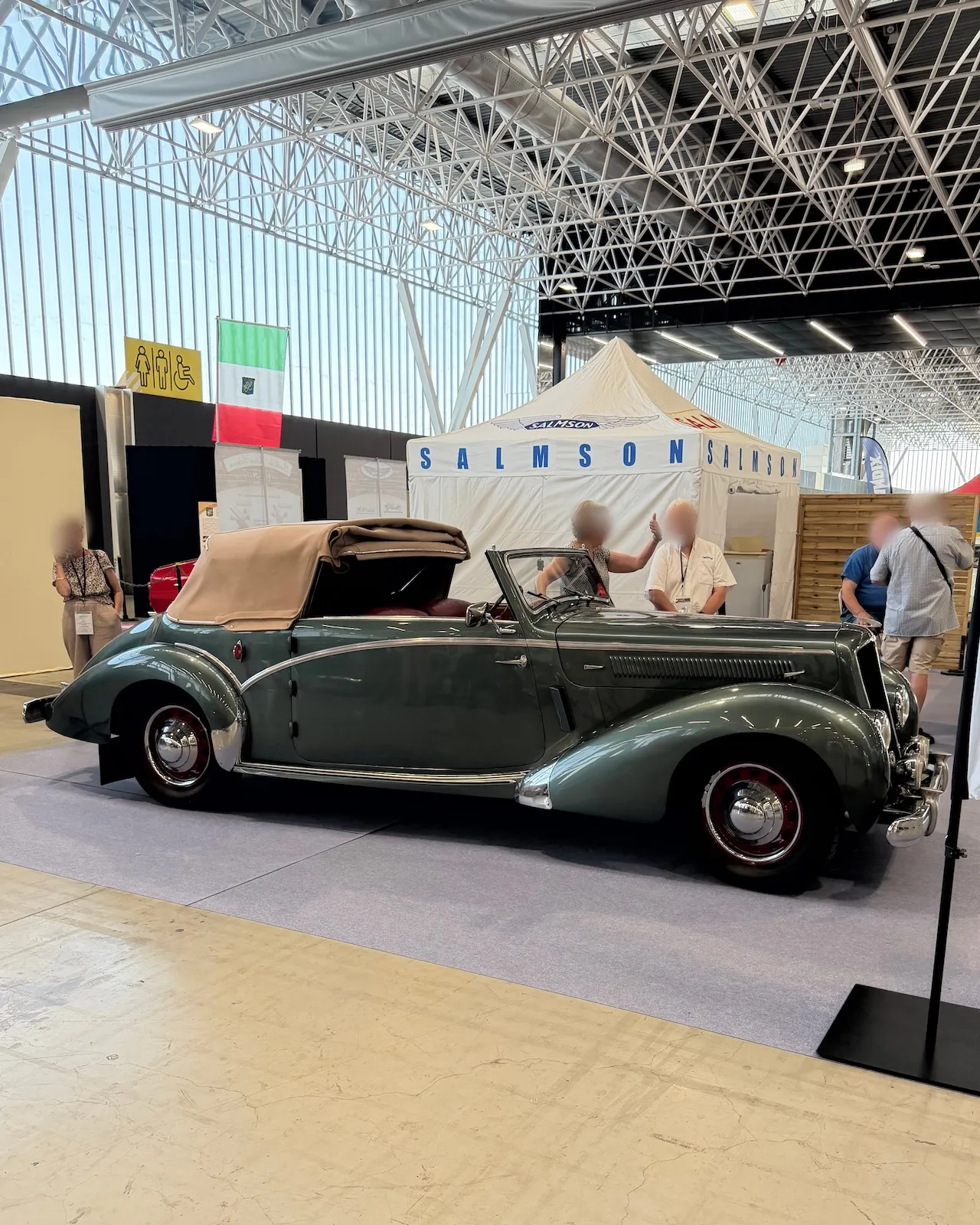
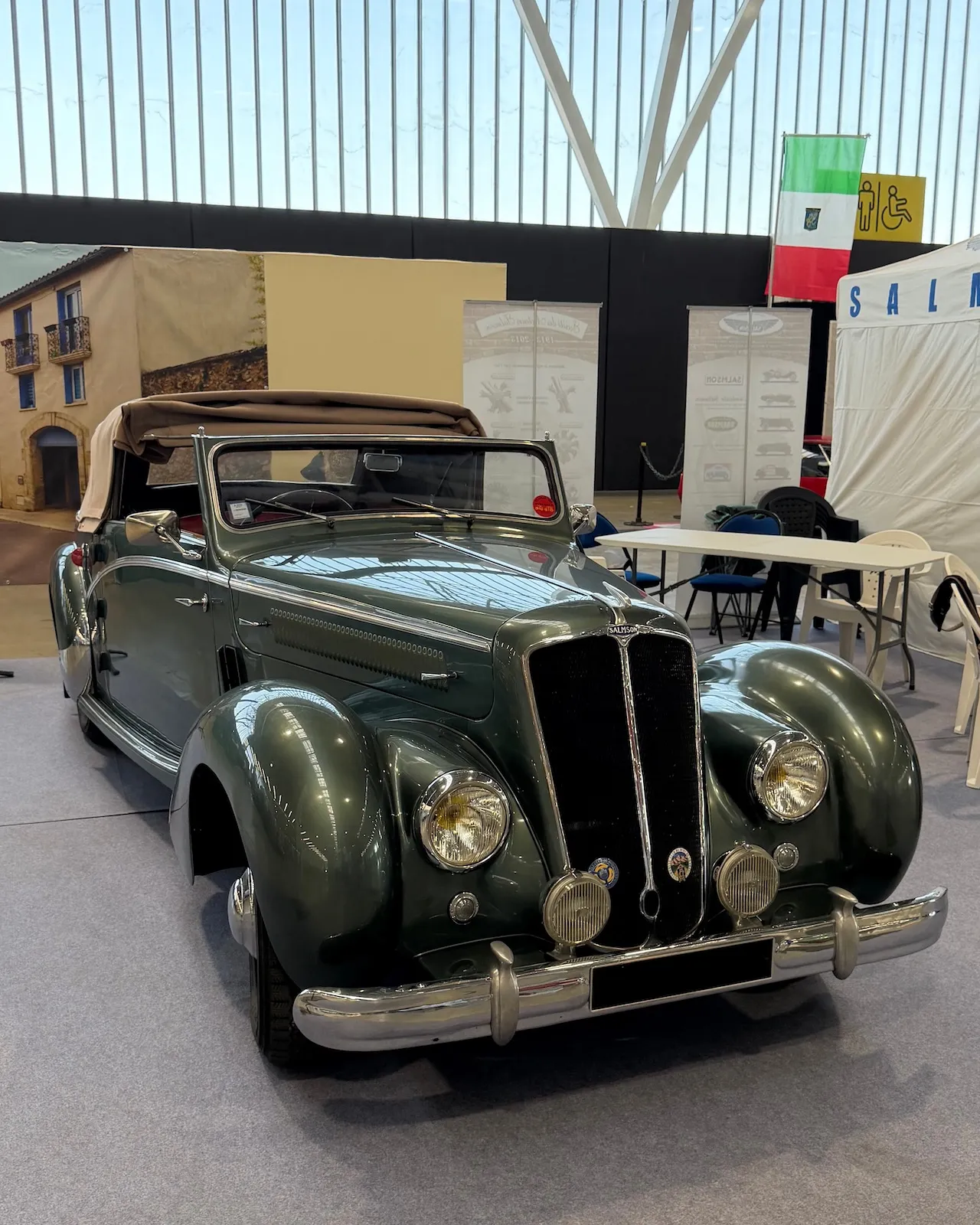
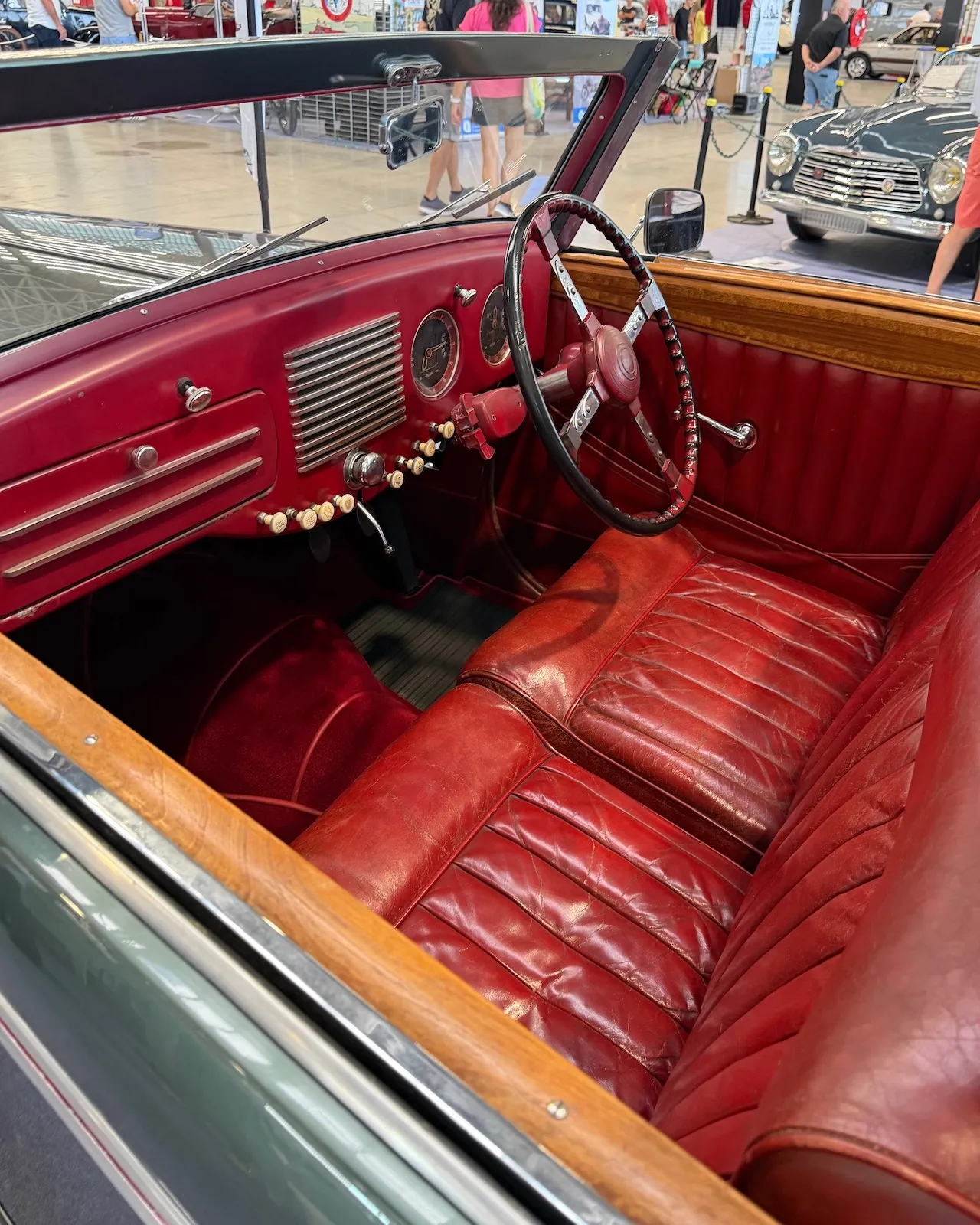
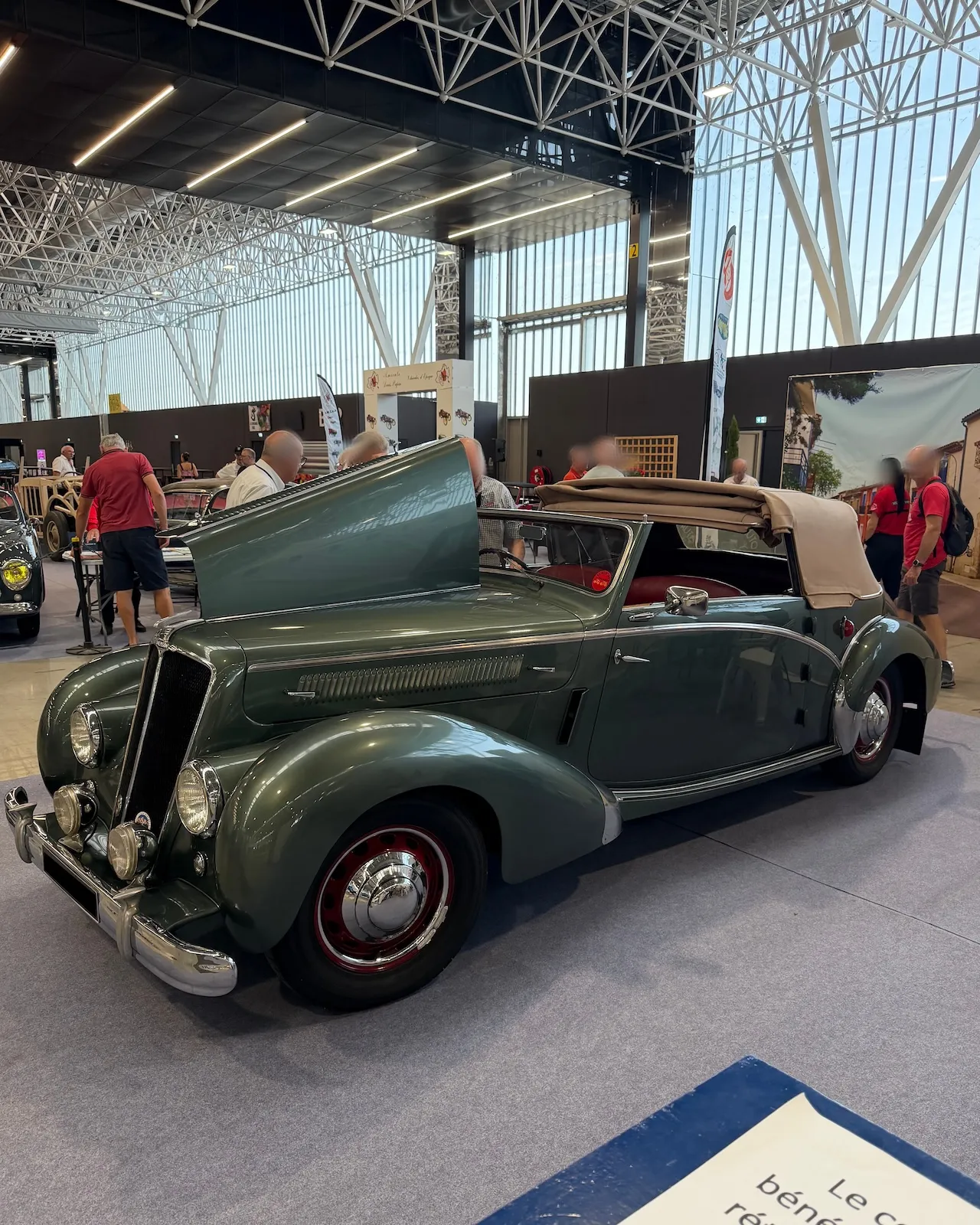
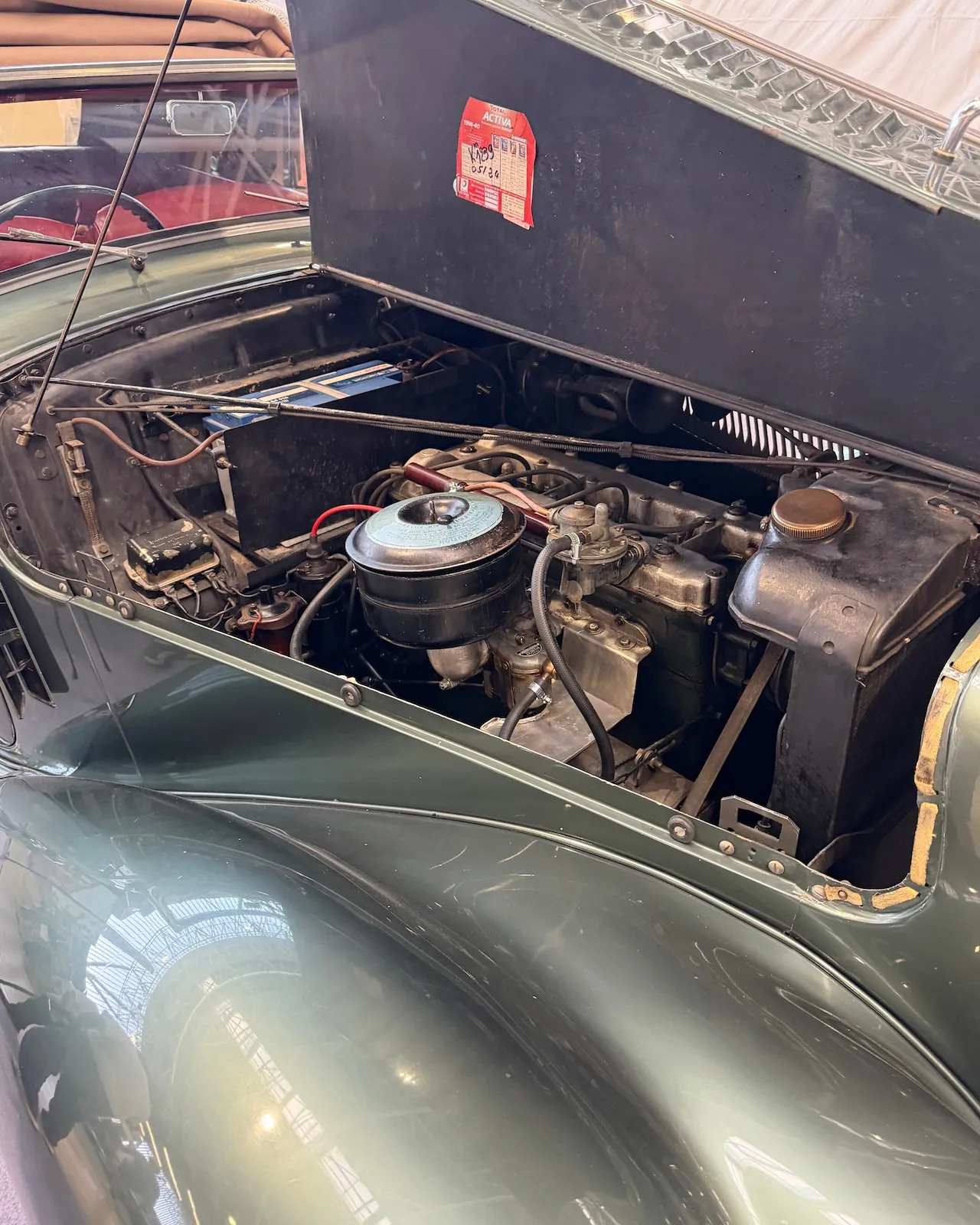
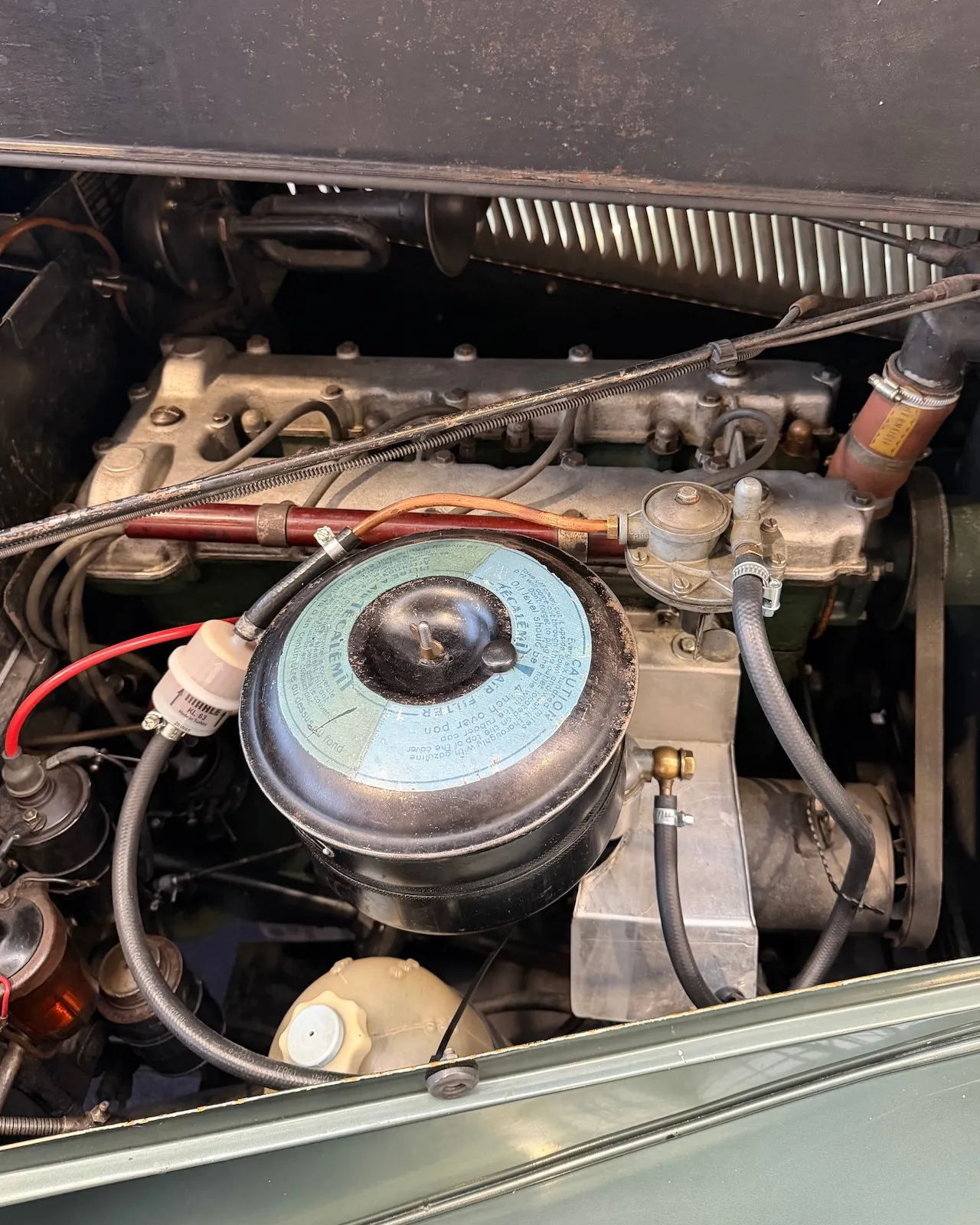
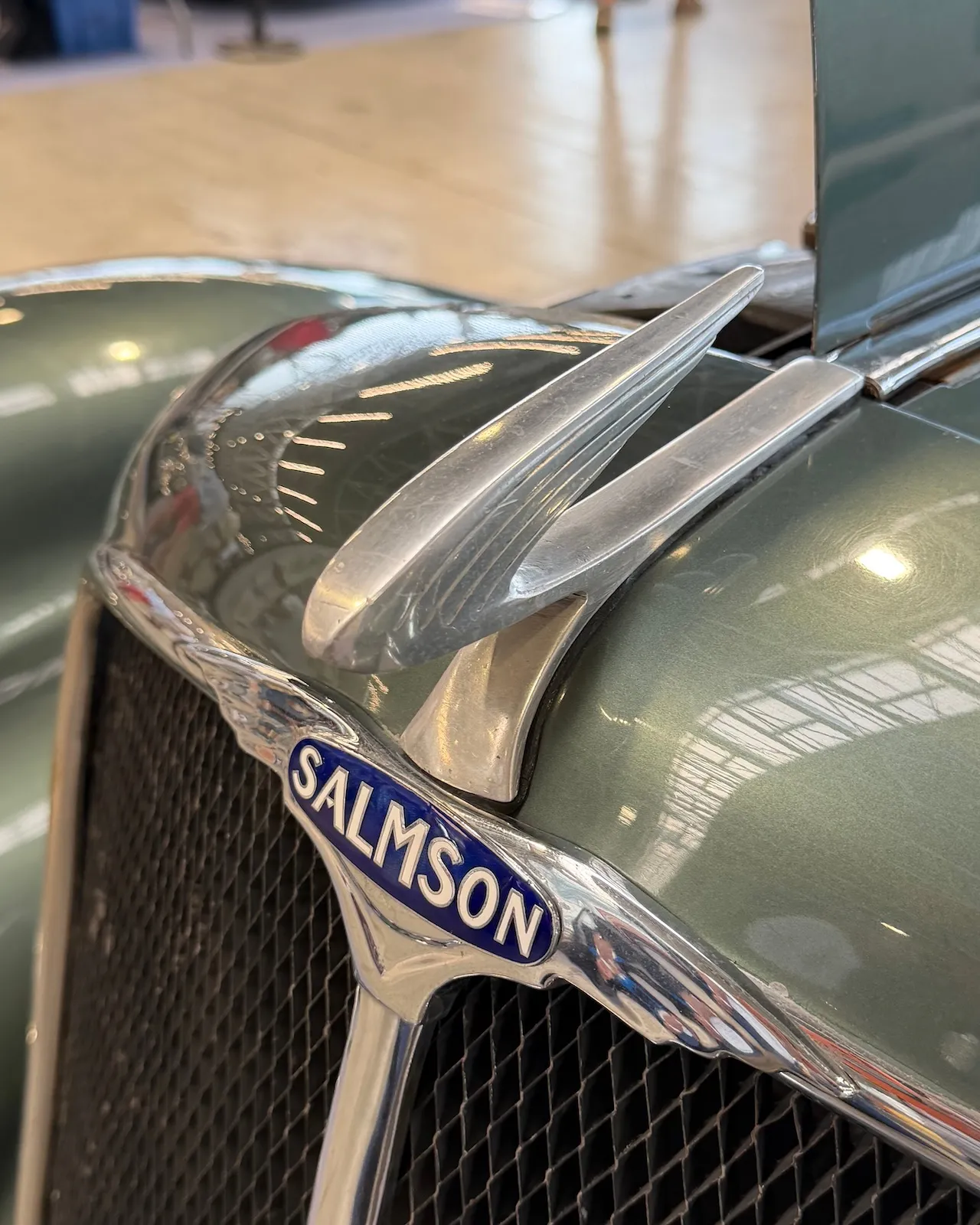
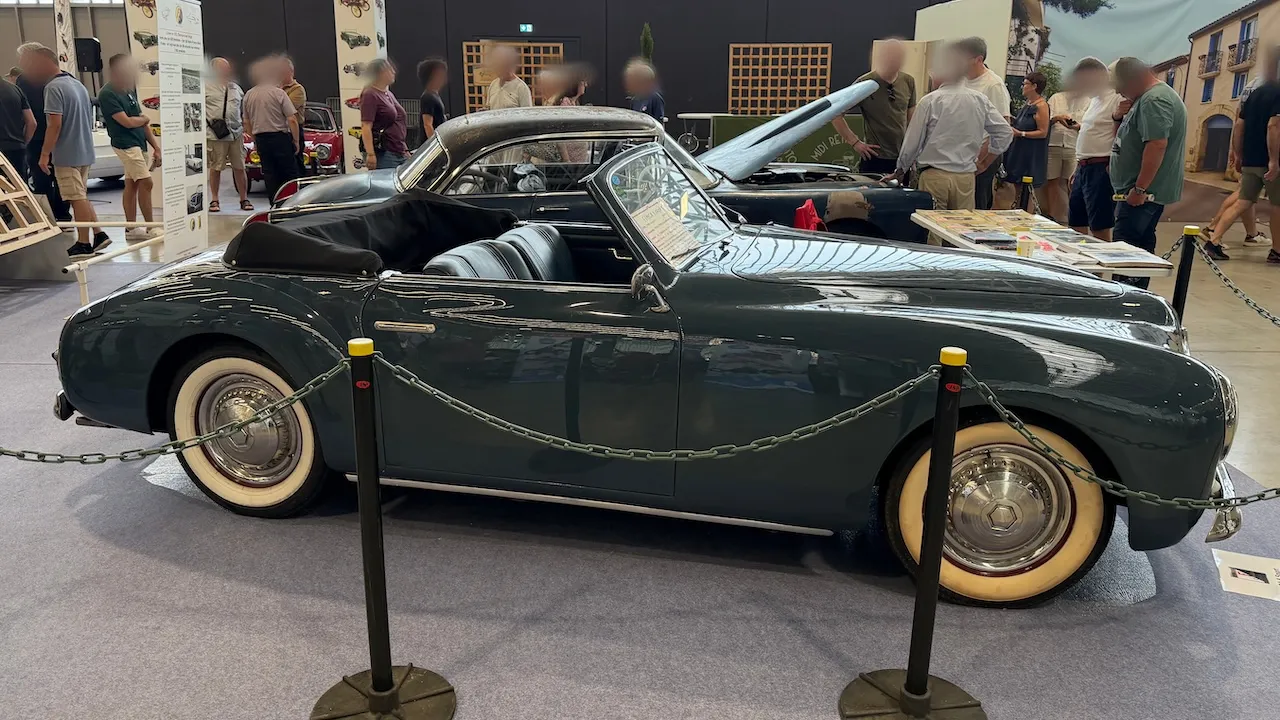
On the Amicale Salmson booth at the Toulouse Auto-Moto Show was this magnificent cabriolet.
I guess a postwar S4-E 3-position convertible. Please correct me if I am wrong. If correct, it is a 13 CV and has a 2.3-litre engine.
The brand was a flagship of the prewar automotive industry, unfortunately the it failed to adapt sufficiently to the postwar revival. Thank you to the Amicale for sharing their cars and their expertise with us.
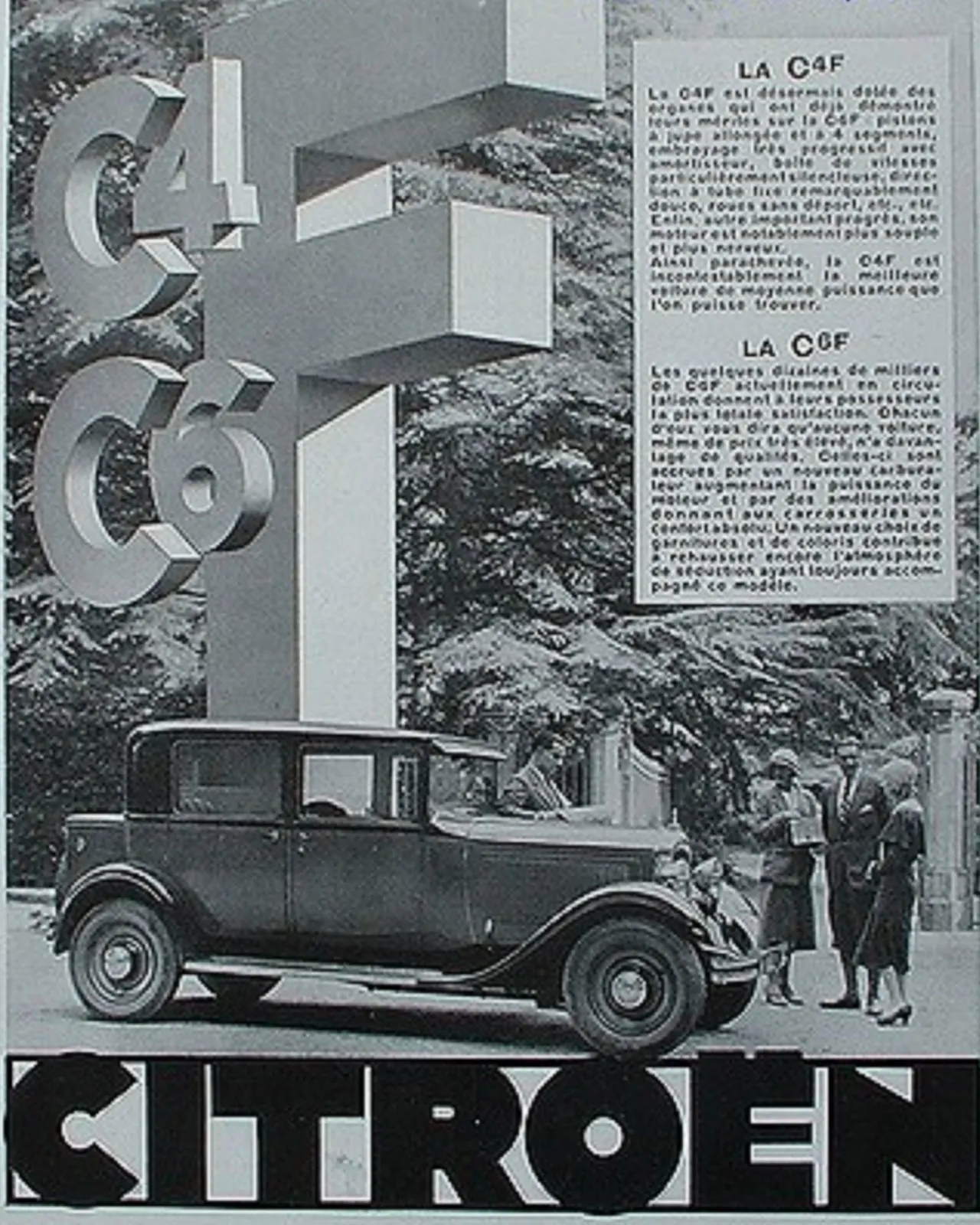
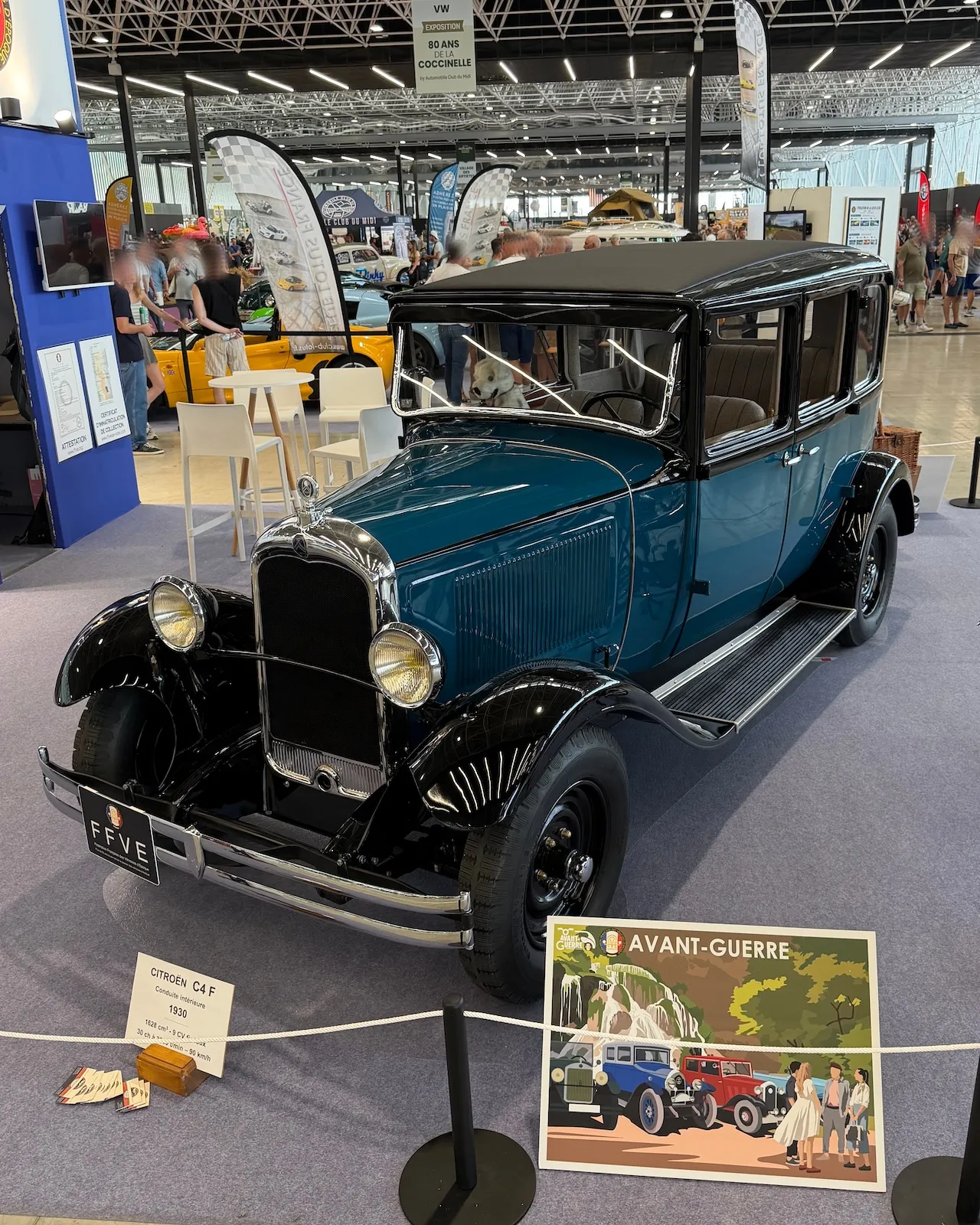
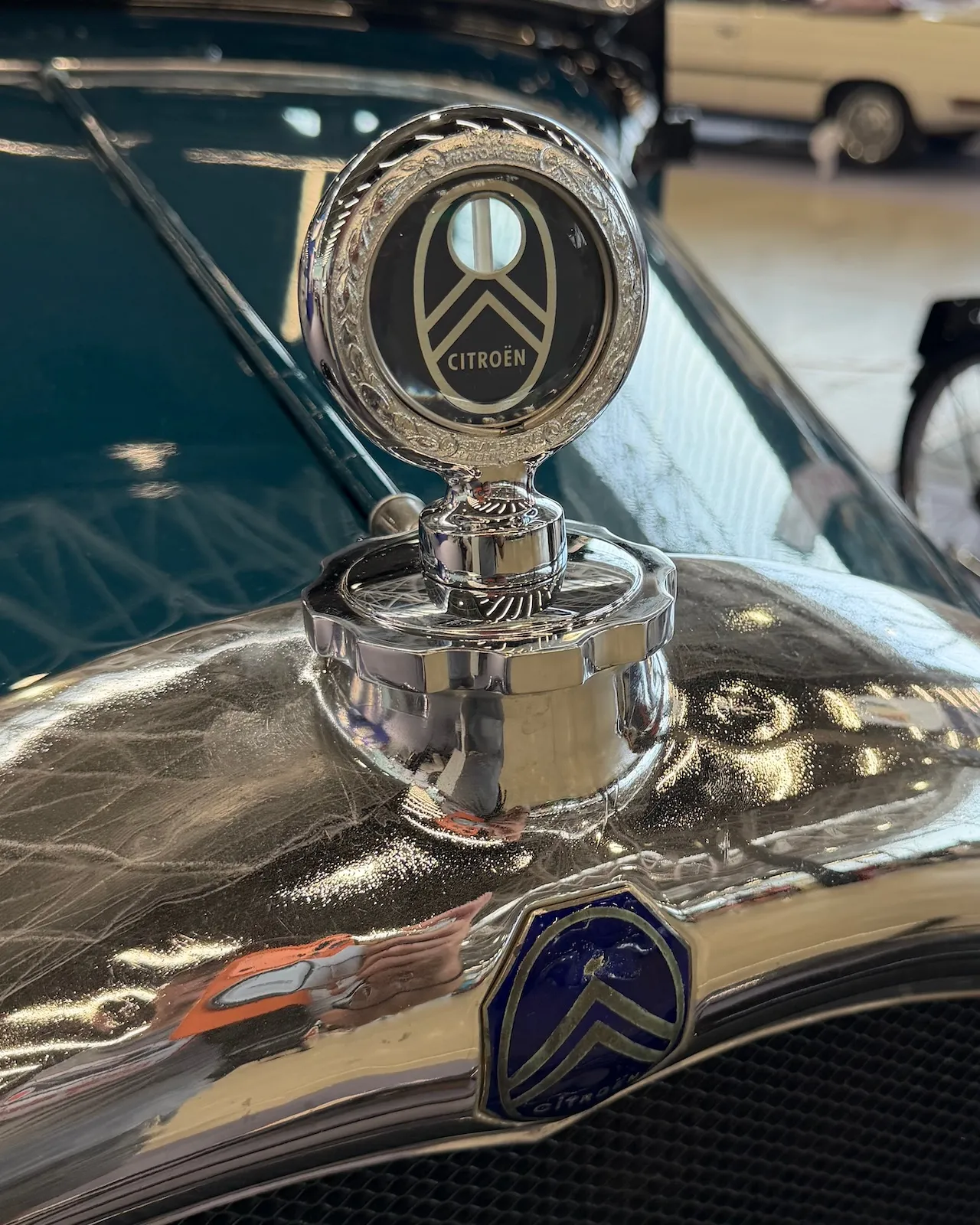
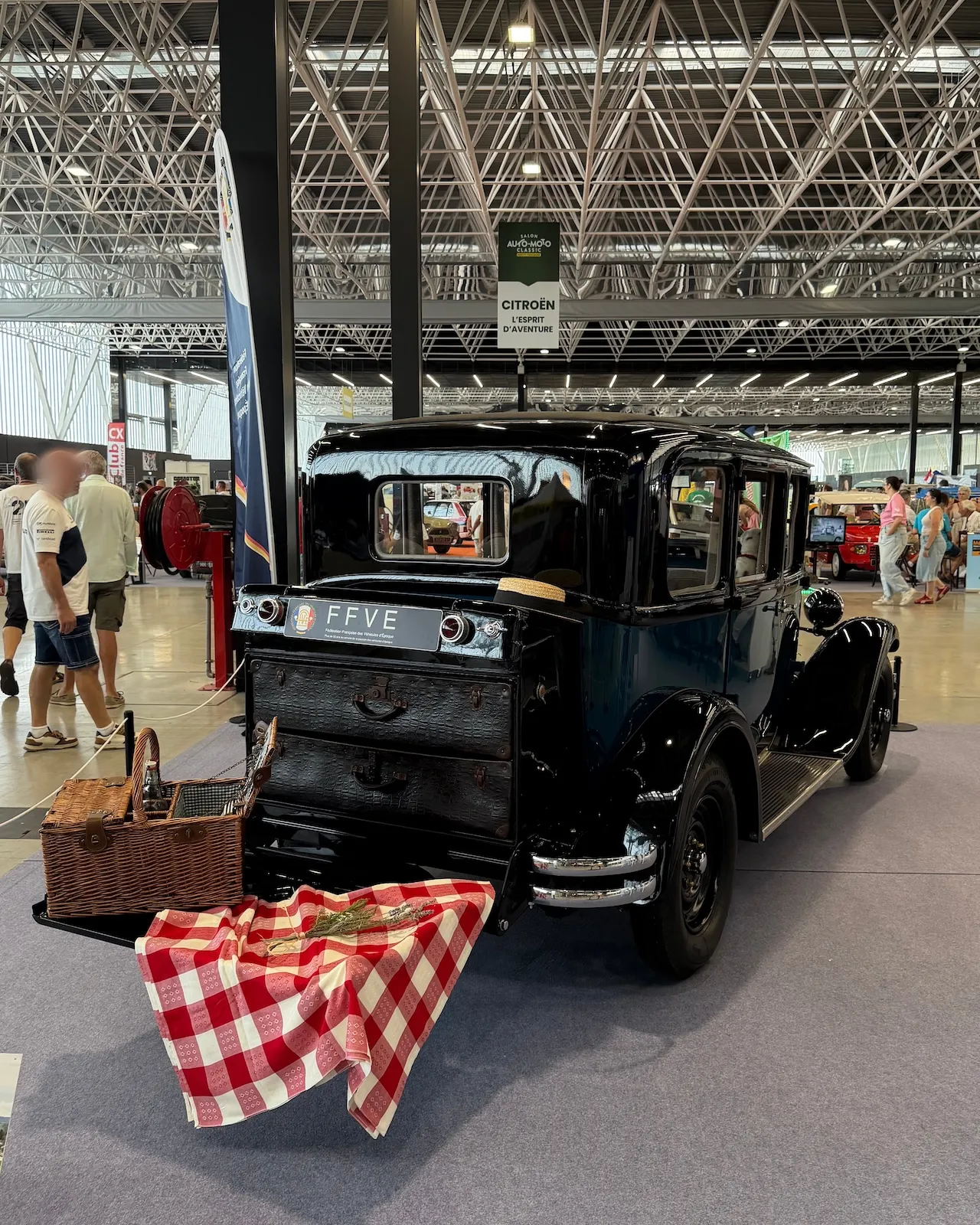
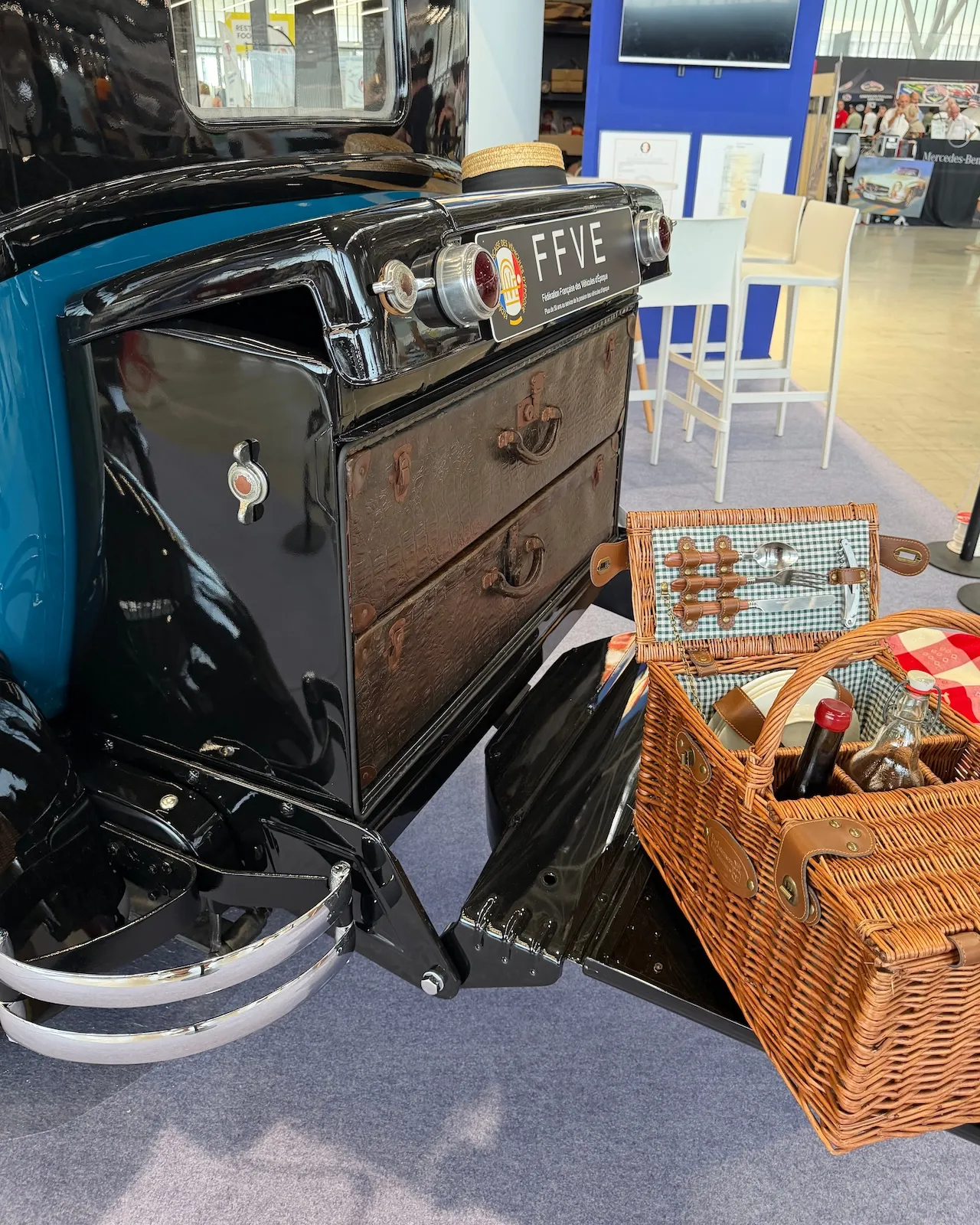
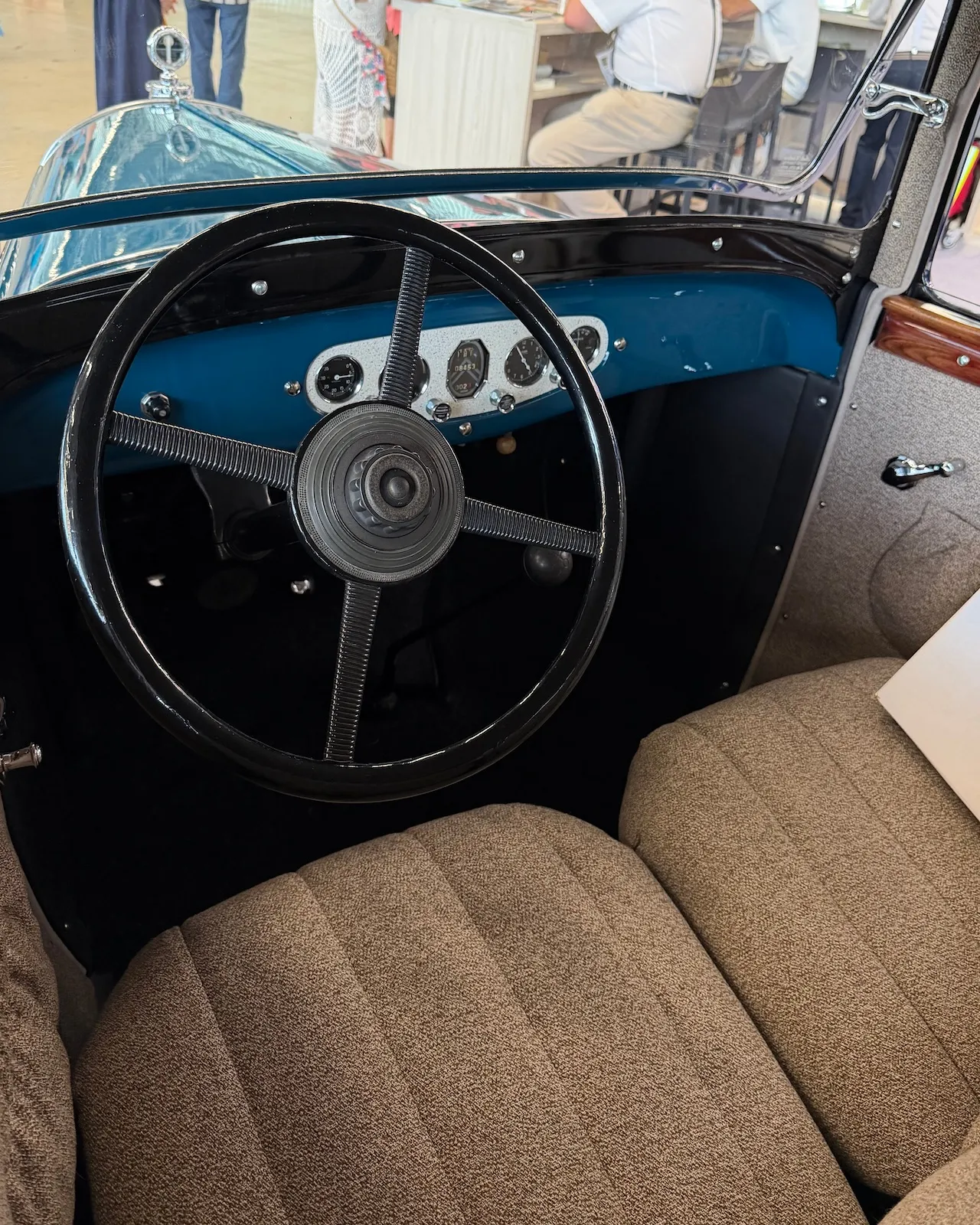
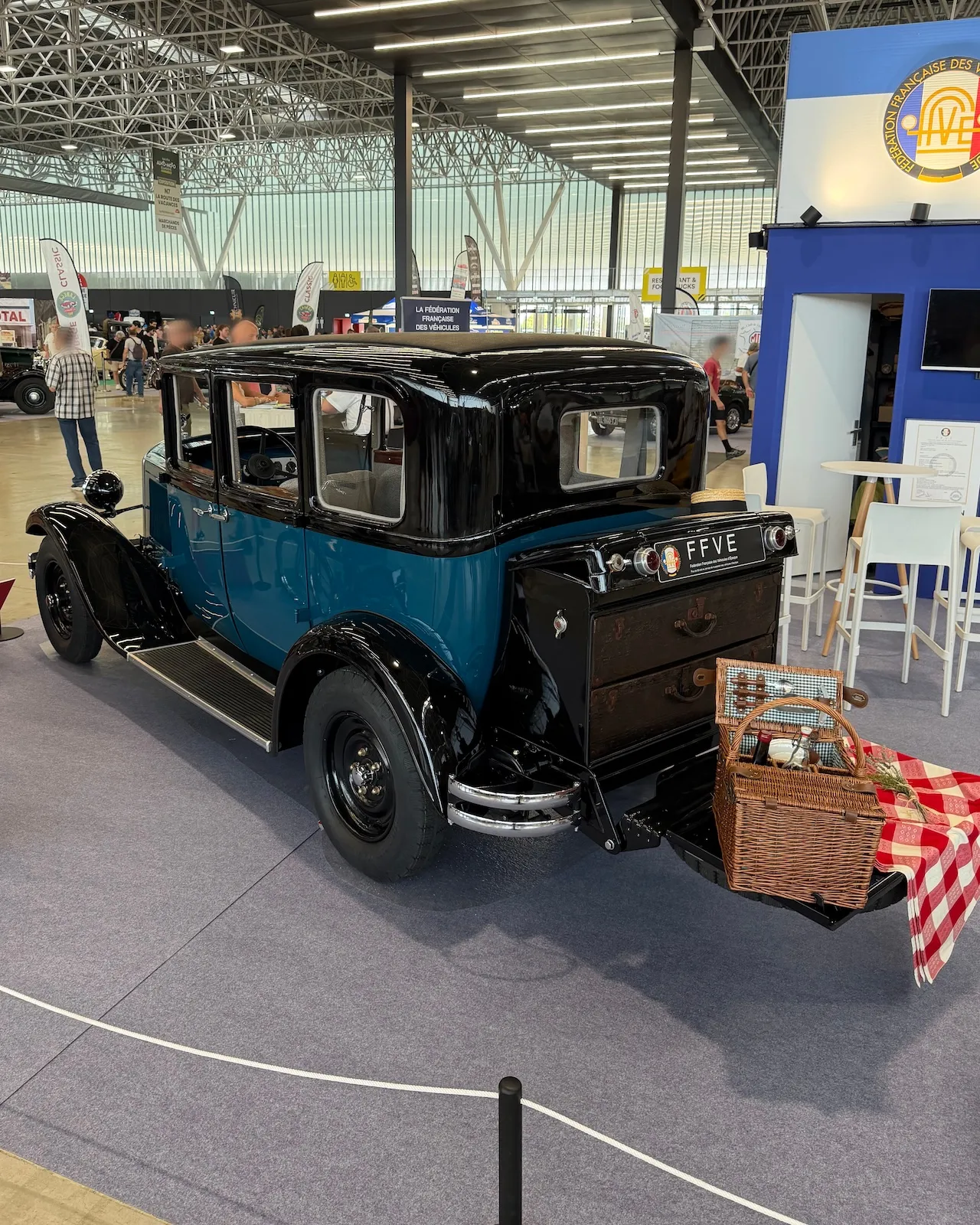
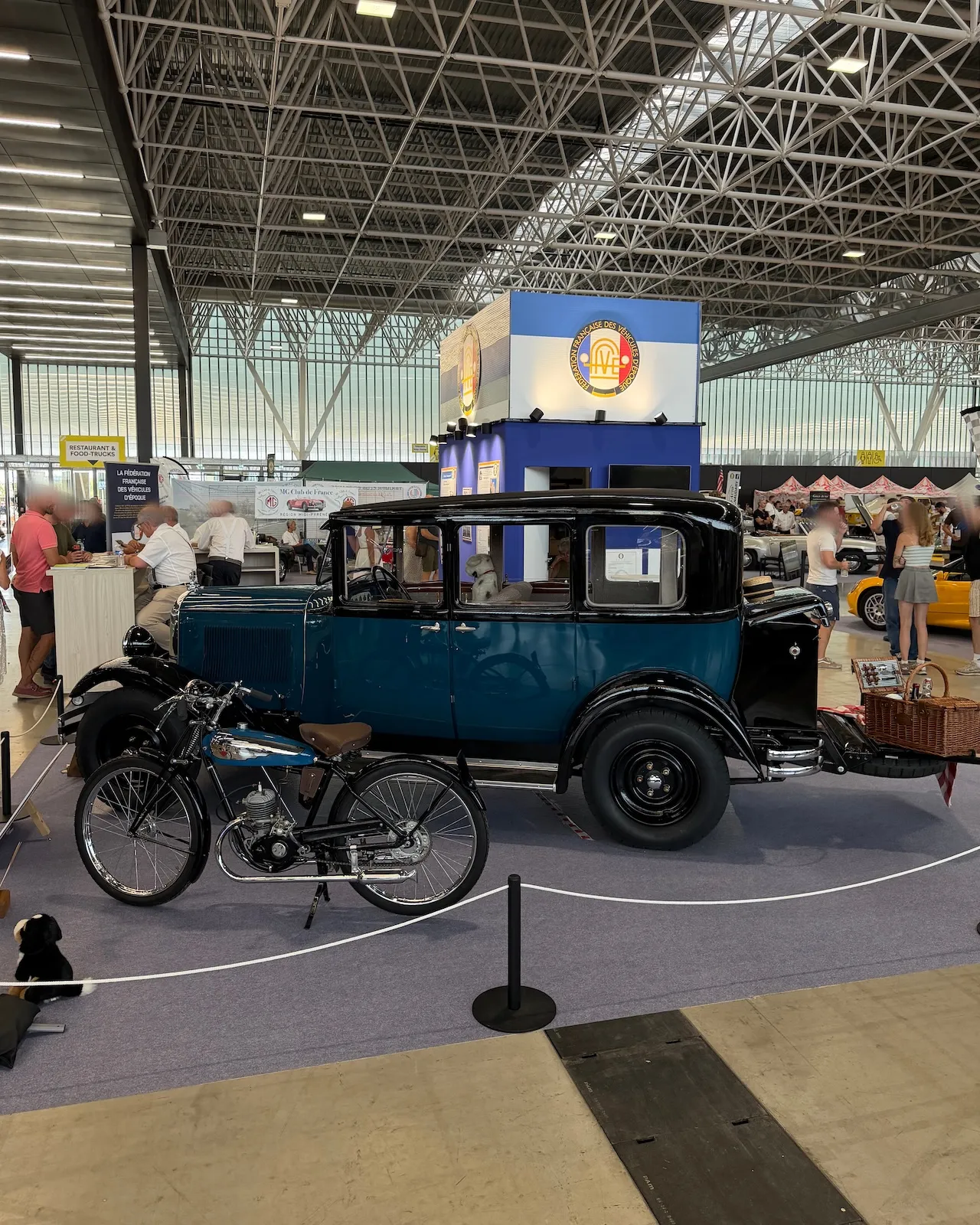
1930 Citroën C4F, conduite intérieure, 1628cc, 9 CV, 30 HP, 90 km/h, and a 3-speed gearbox, non-synchronised, naturally. Third gear is a direct 1:1 ratio. And, if I’m not mistaken, the brakes are cable-operated.
Quite a machine for 1930. Spotted on the booth of the FFVE (ffveofficiel) at the Salon Auto-Moto in Toulouse.
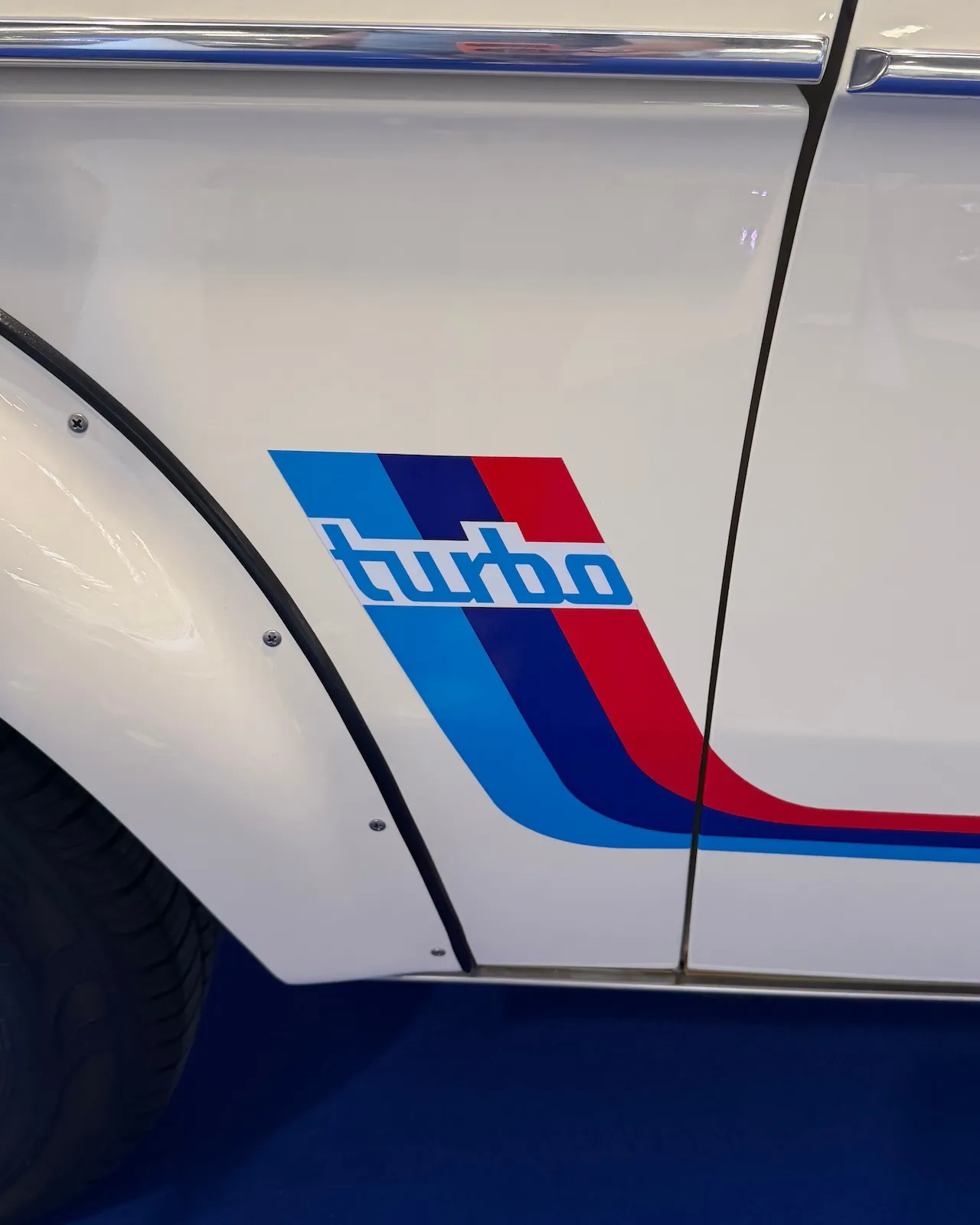
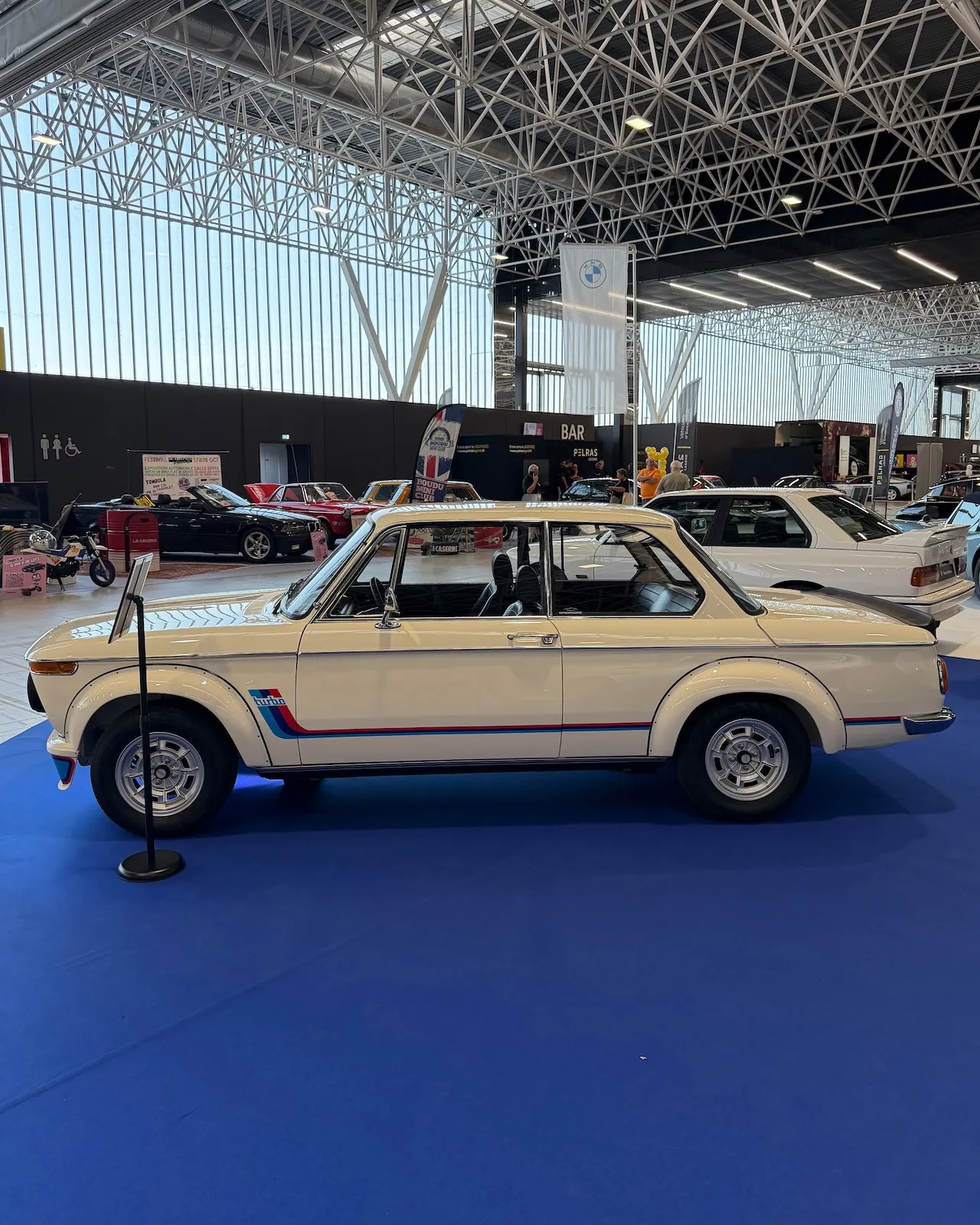
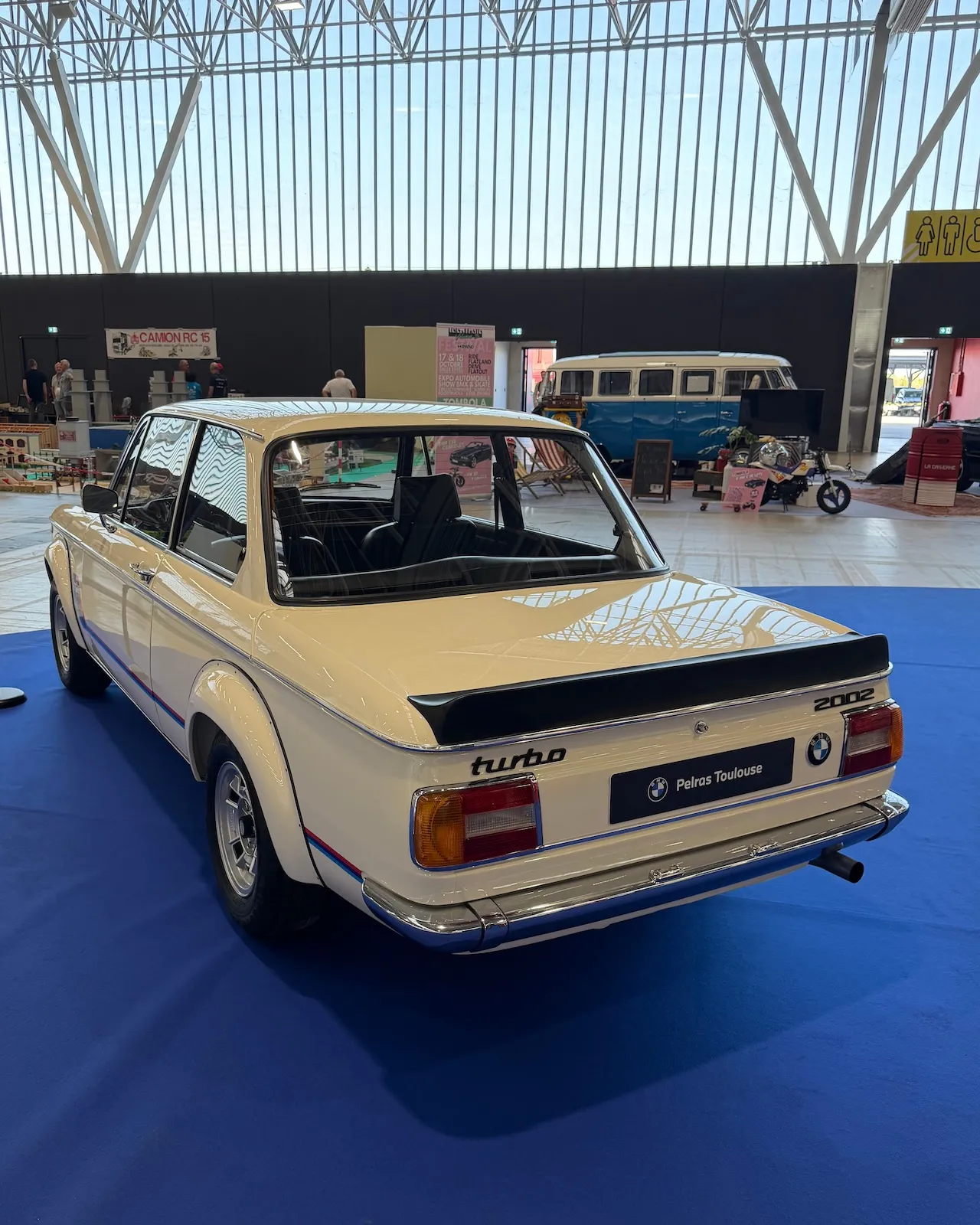
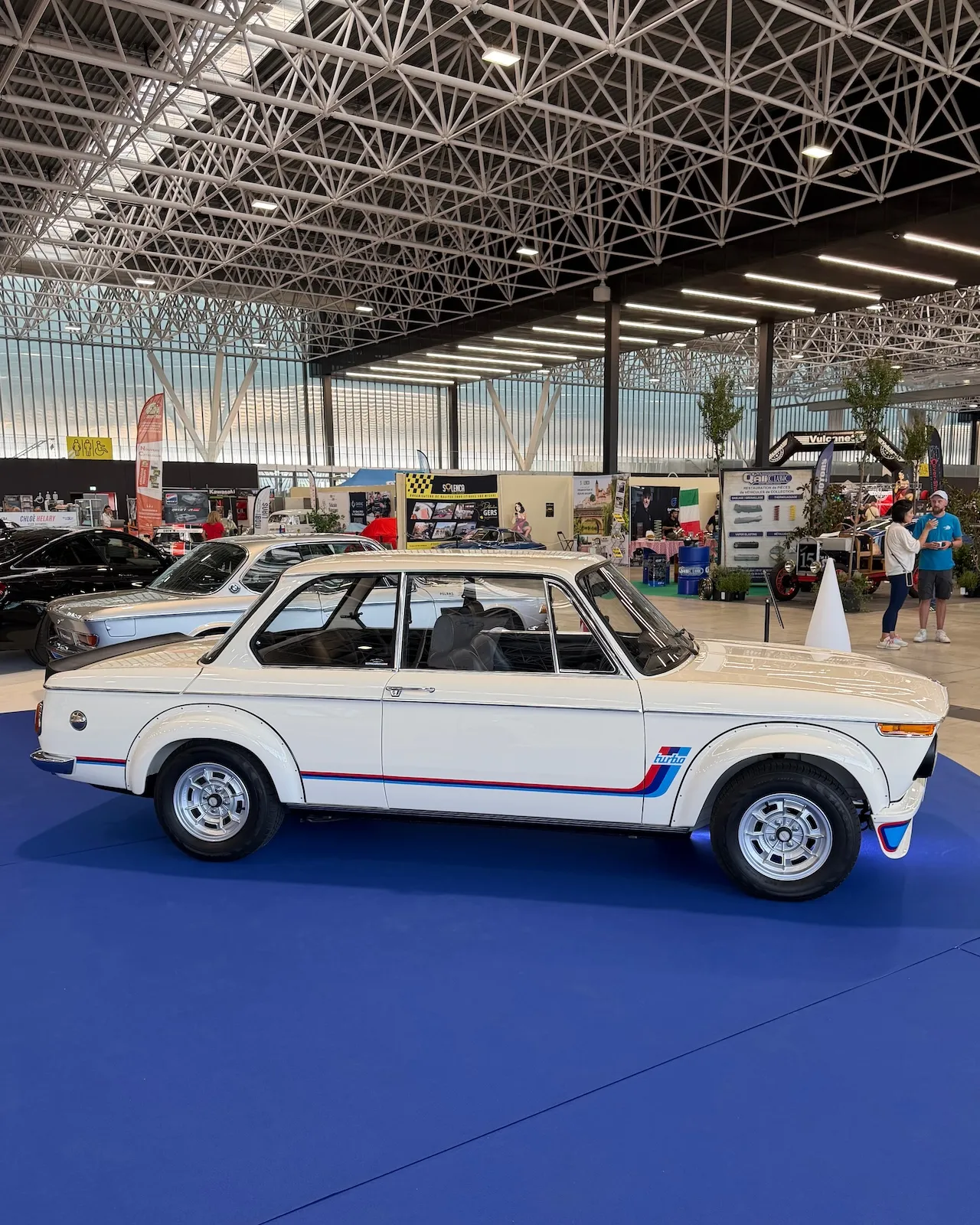
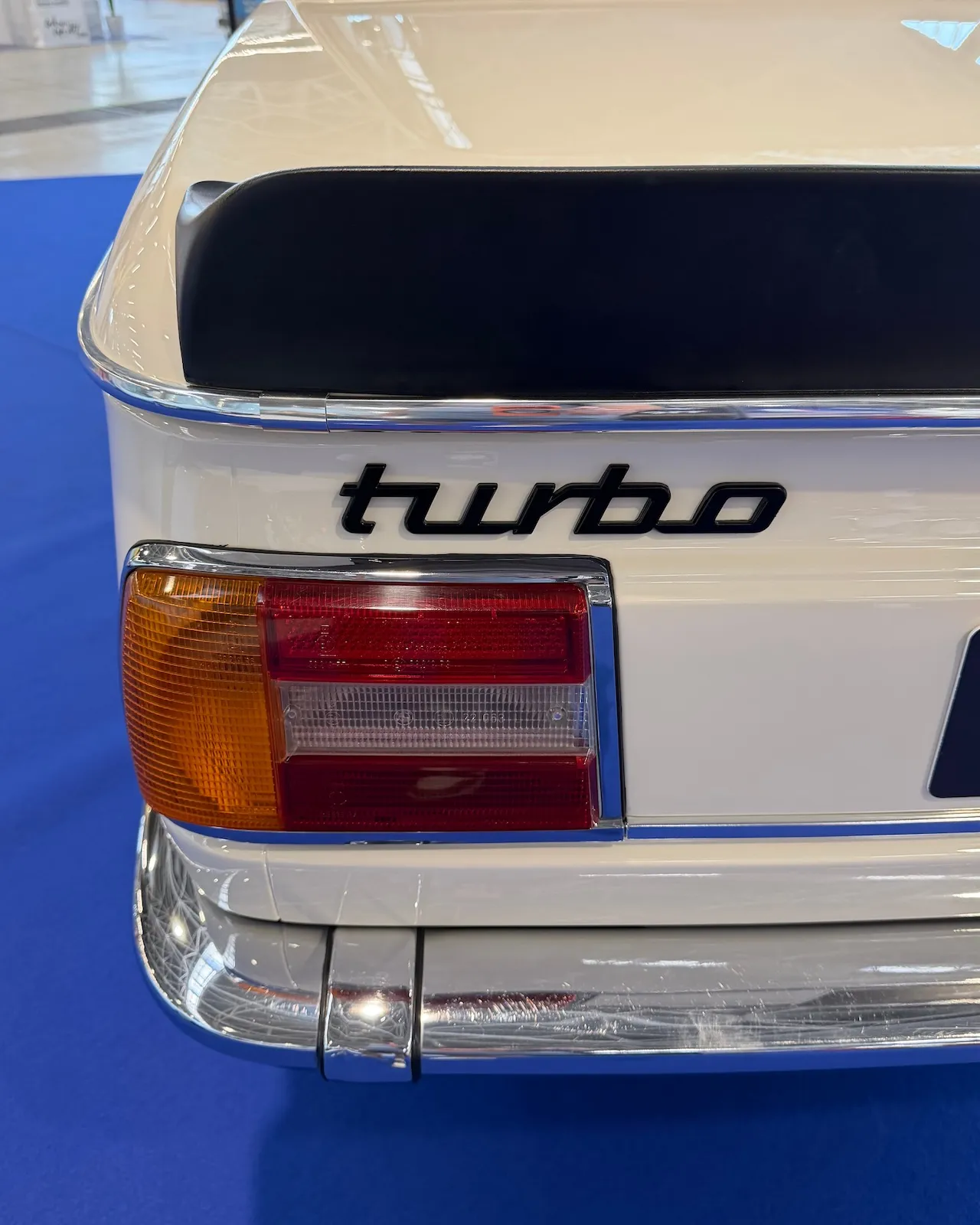
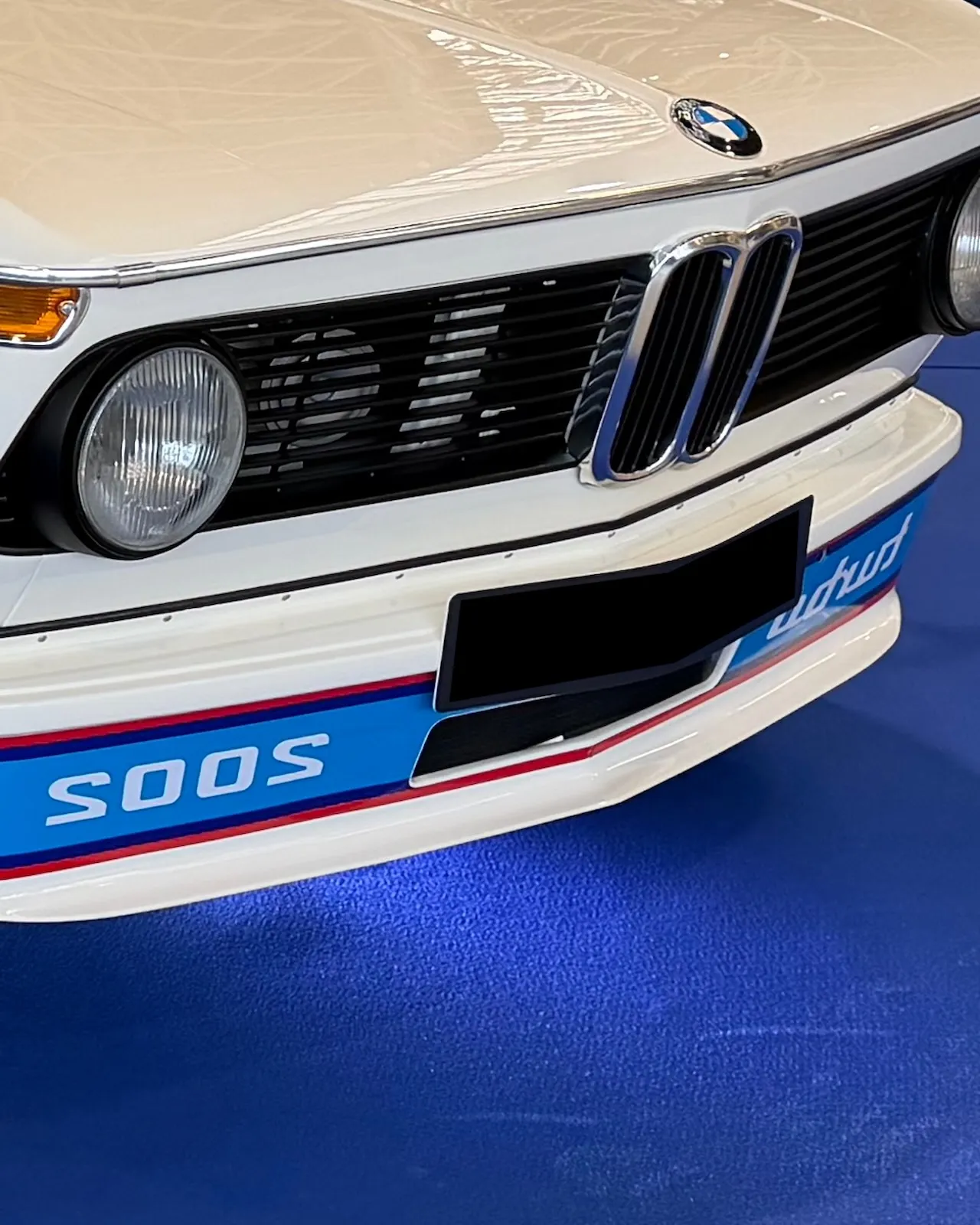
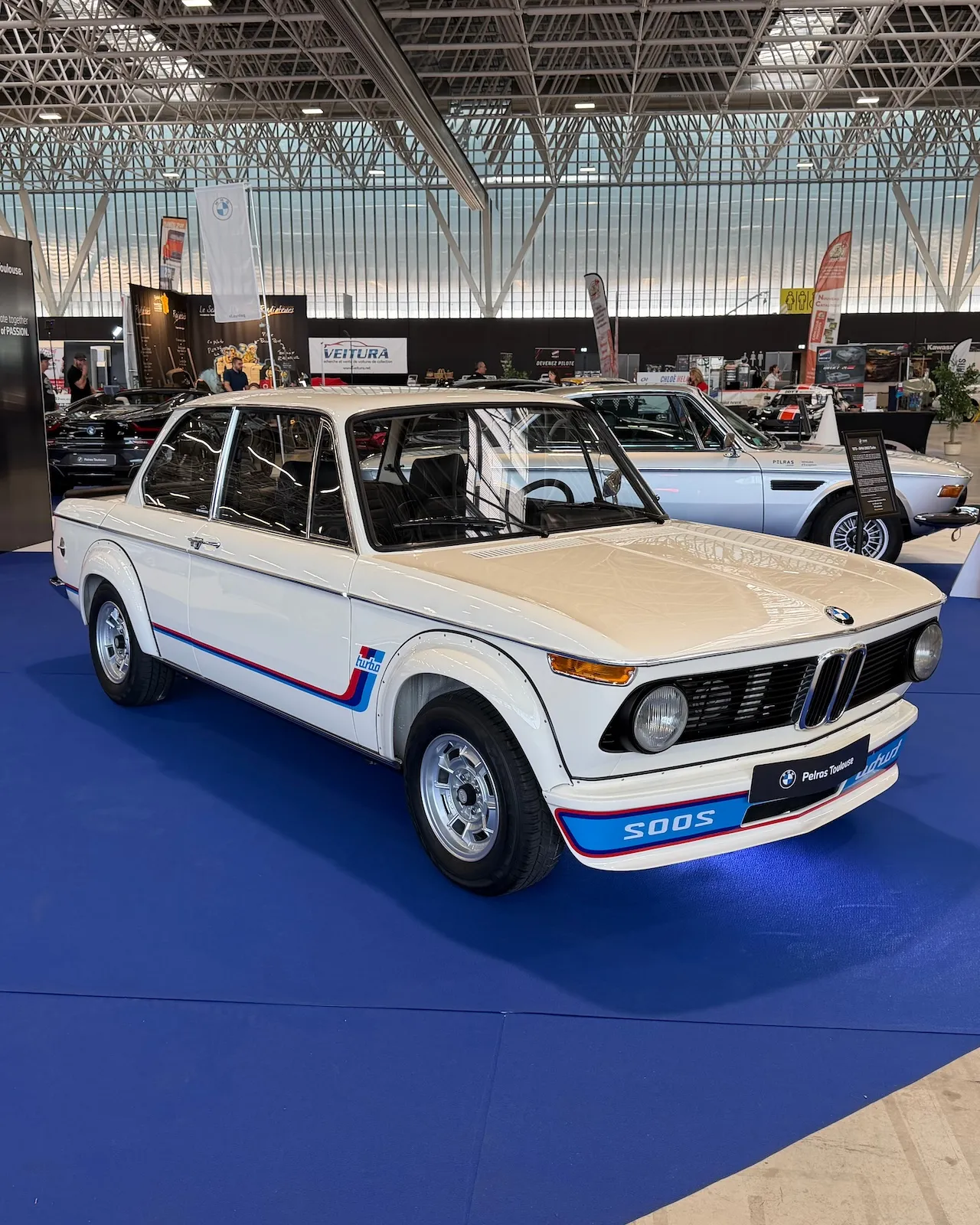
1973 BMW 2002 Turbo, unveiled at the 1973 Frankfurt Motor Show.
BMW captured everyone's attention with its new sports car. With its bolted-on fender flares and blue-and-red war paint, it was a real head-turner.
However, it did spark controversy amid the oil crisis and the introduction of speed limits. The front spoiler featured a particularly aggressive touch: the 2002 Turbo lettering was applied upside down, so that drivers ahead could read it correctly in their rearview mirror just before pulling over to let the Turbo pass. In some countries, BMW was required to remove the sticker, but it was left in the trunk so owners could install it themselves.
The 2002 was also the first European production car equipped with a turbocharger. Thanks to its KKK turbocharger, power increased by around 40 HP compared with the standard 2002 tii. The chassis was reinforced accordingly, and the car's performance put it firmly among the era's top sports cars.
This particular Turbo was spotted over the weekend at the splendid Salon Auto Moto Classic in Toulouse, France (MEETT). Many thanks to the organizing team.
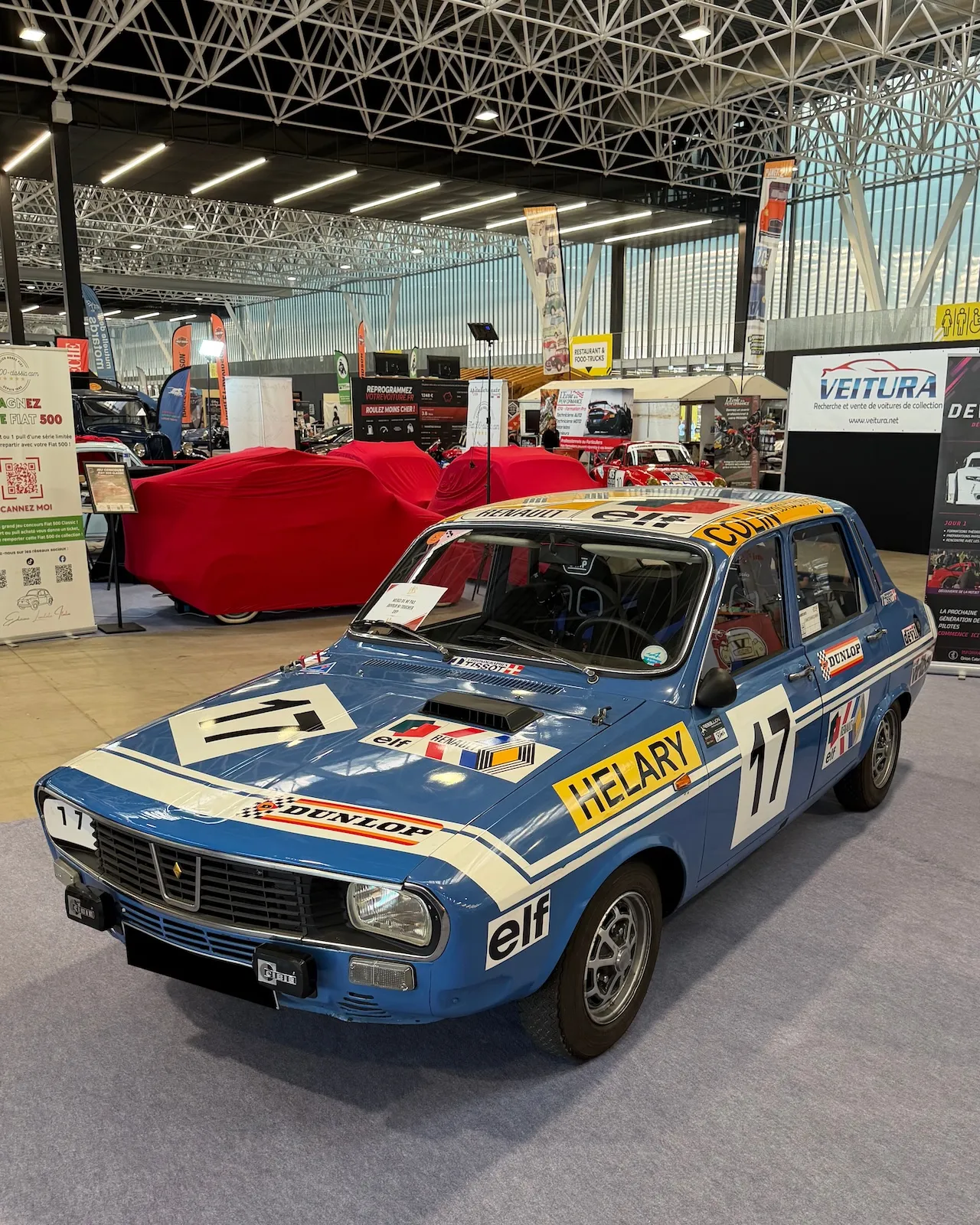
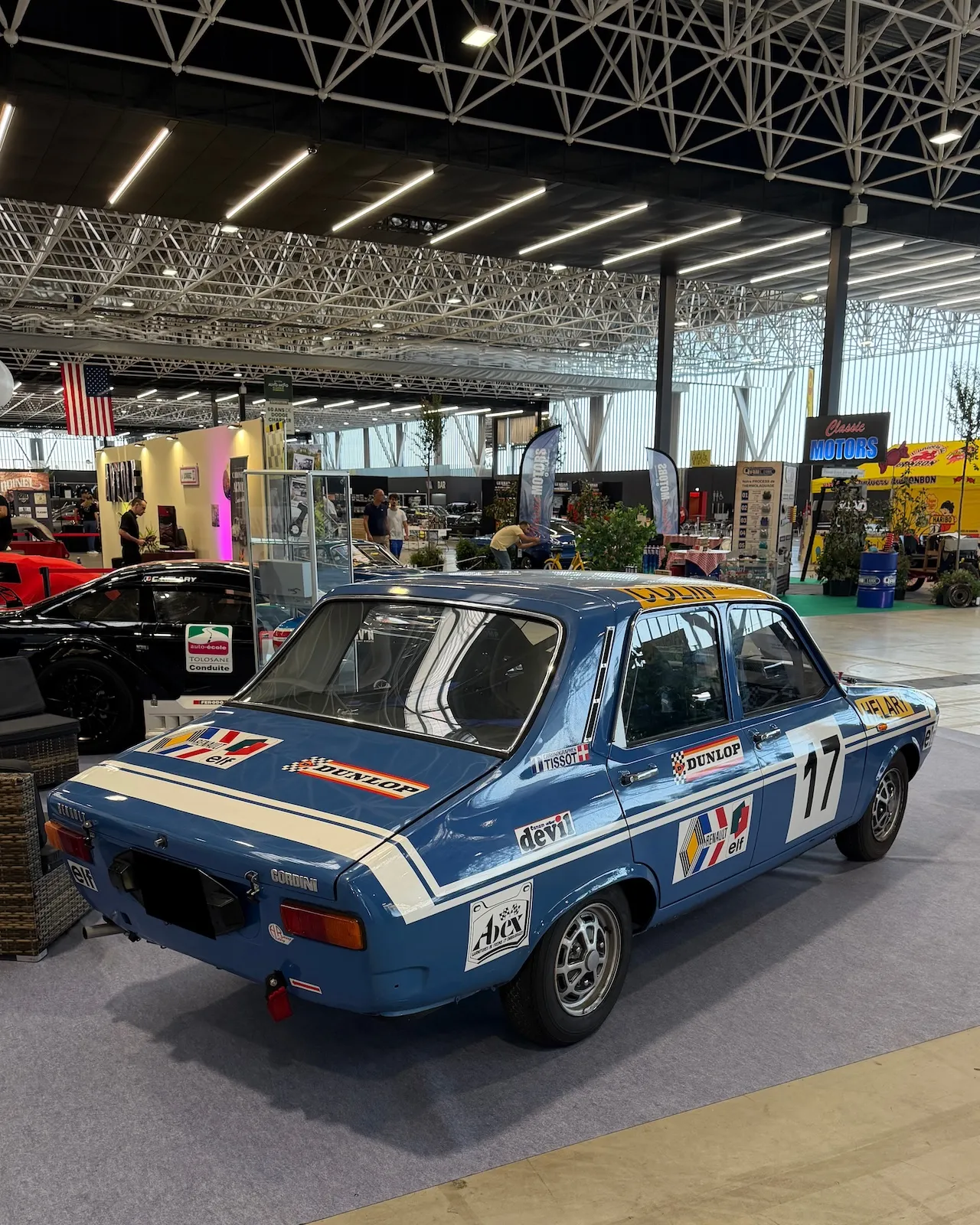
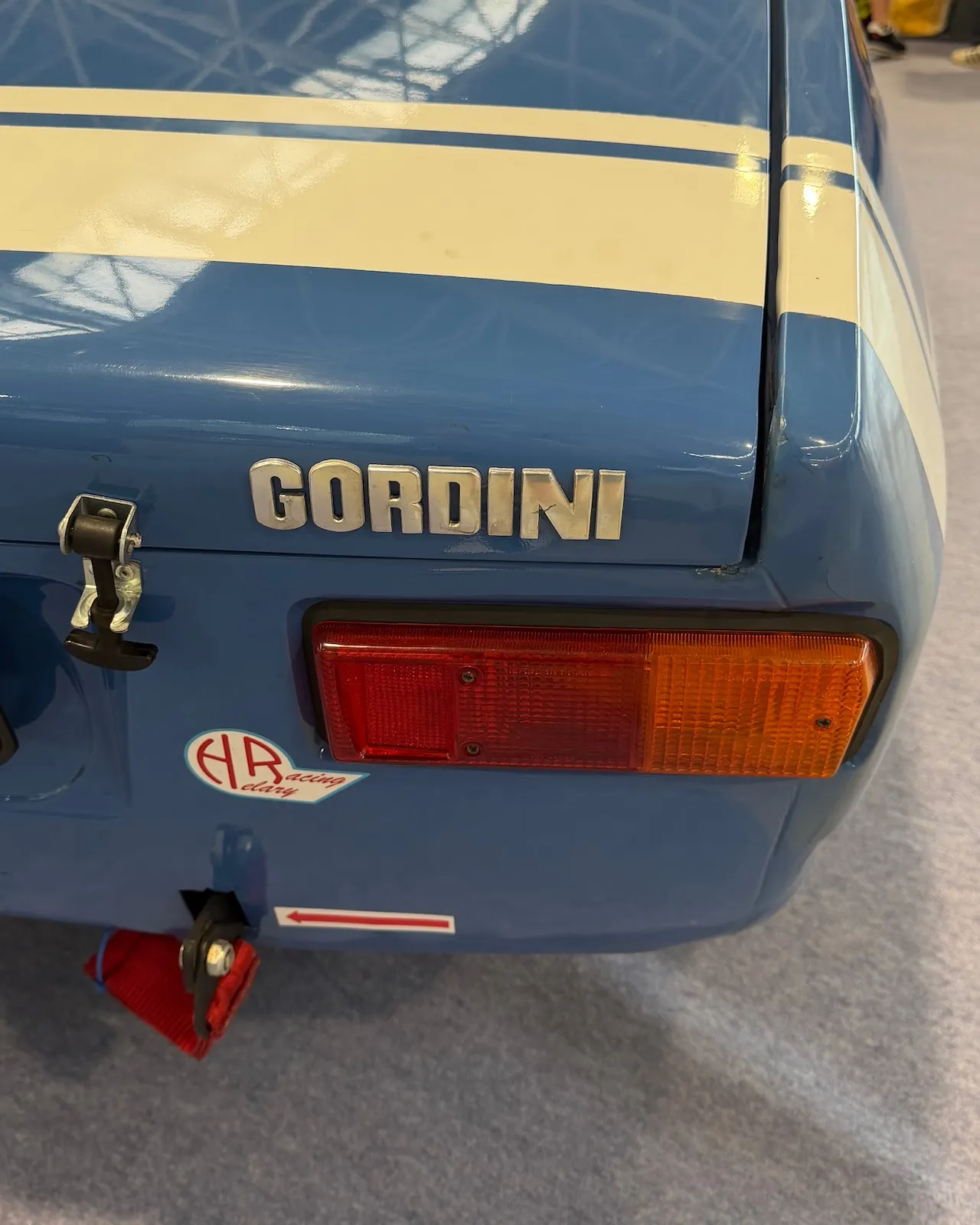
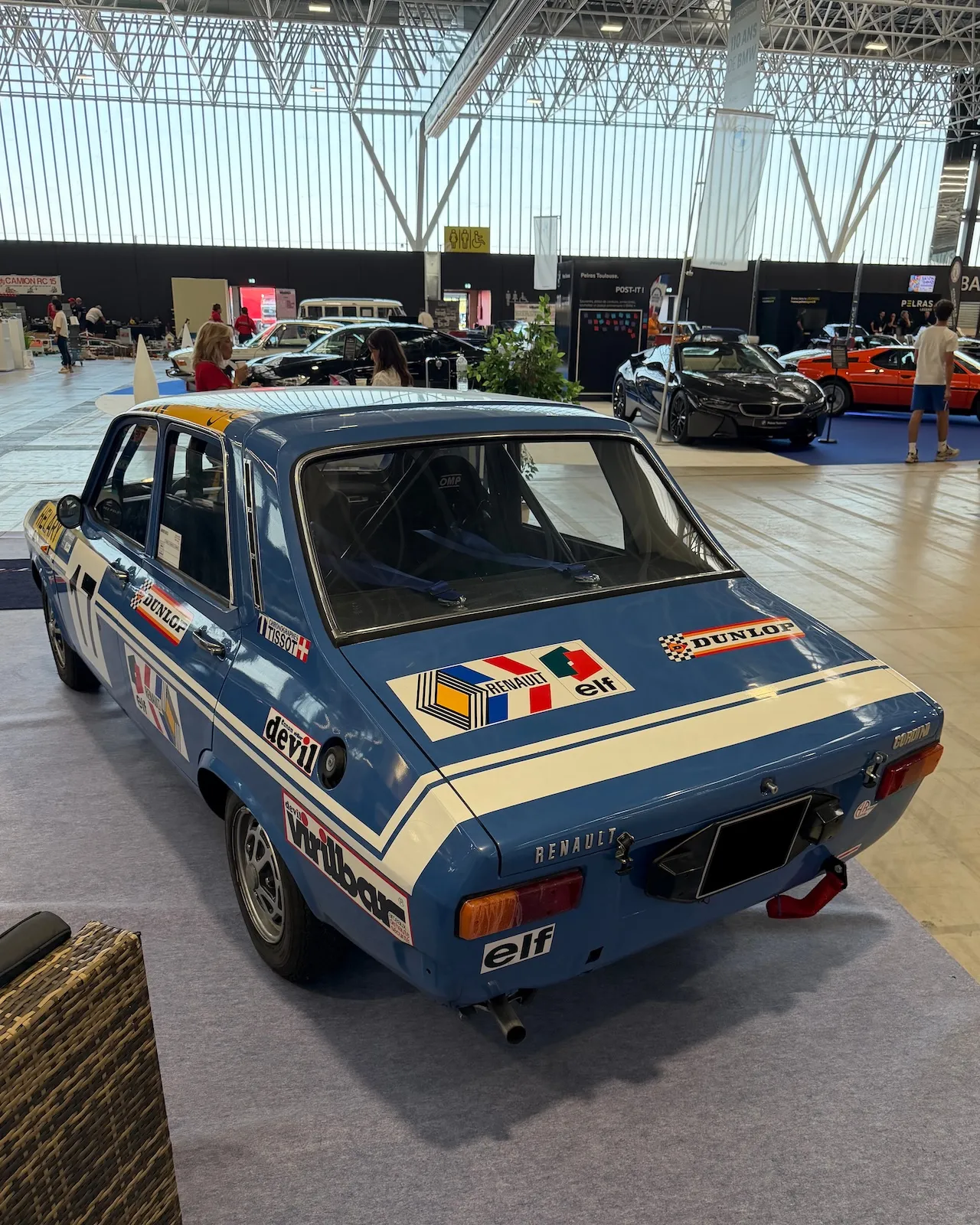
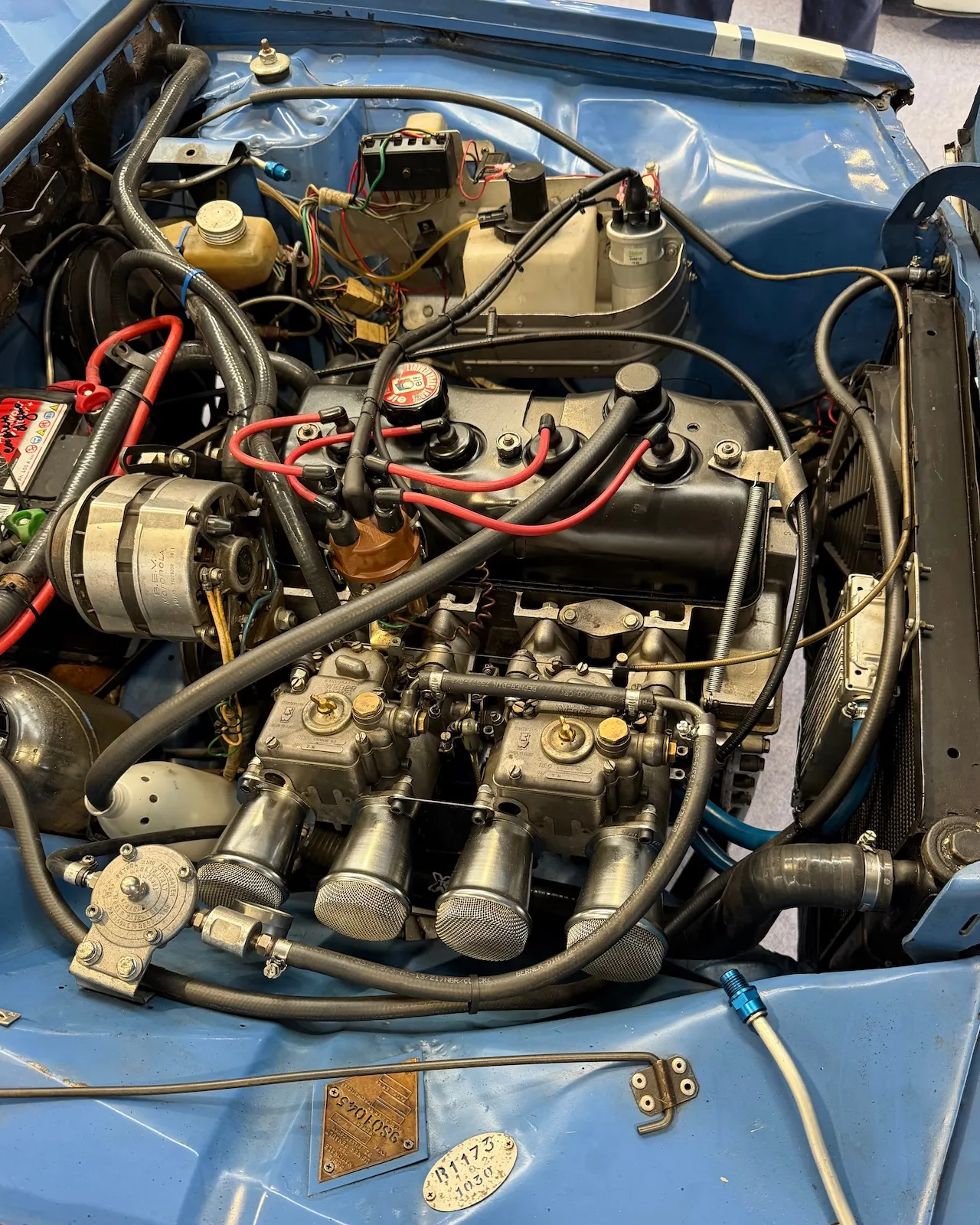
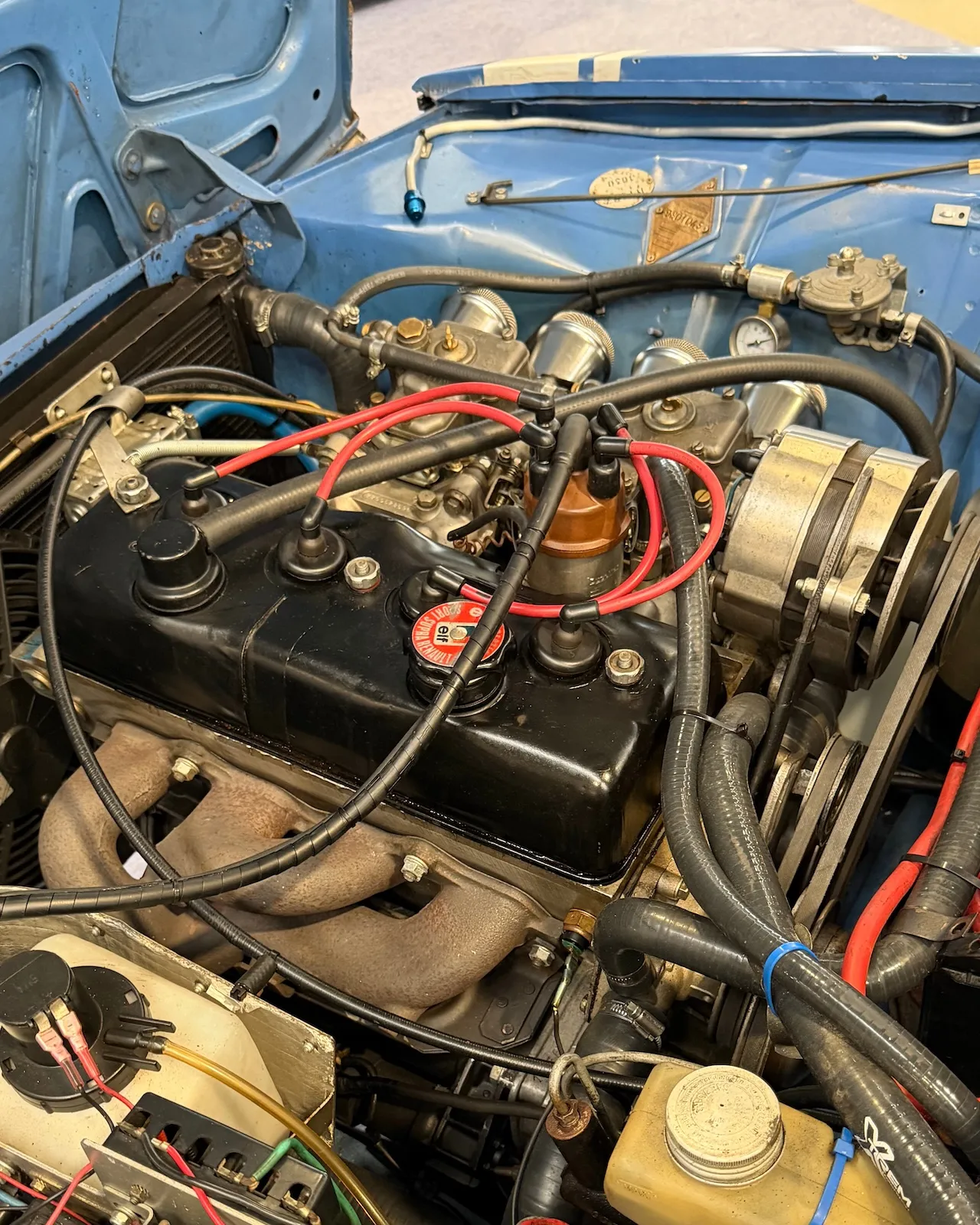
Salon Auto-Moto Toulouse. At the booth of Chloe Hélary (Eric's daughter), there was a stunning R12 Gordini with large Helary lettering, inherited from her grandad.
Purists might say it's not a real Gordini, but I disagree. The Gordini spirit is definitely there, even if the front-wheel drive changes things a bit. The engine bay is absolutely stunning.
It was great to have a chat with Chloé, who continues the family tradition by participating in the Midjet Series. Thanks a lot. And congratulations to the whole family.
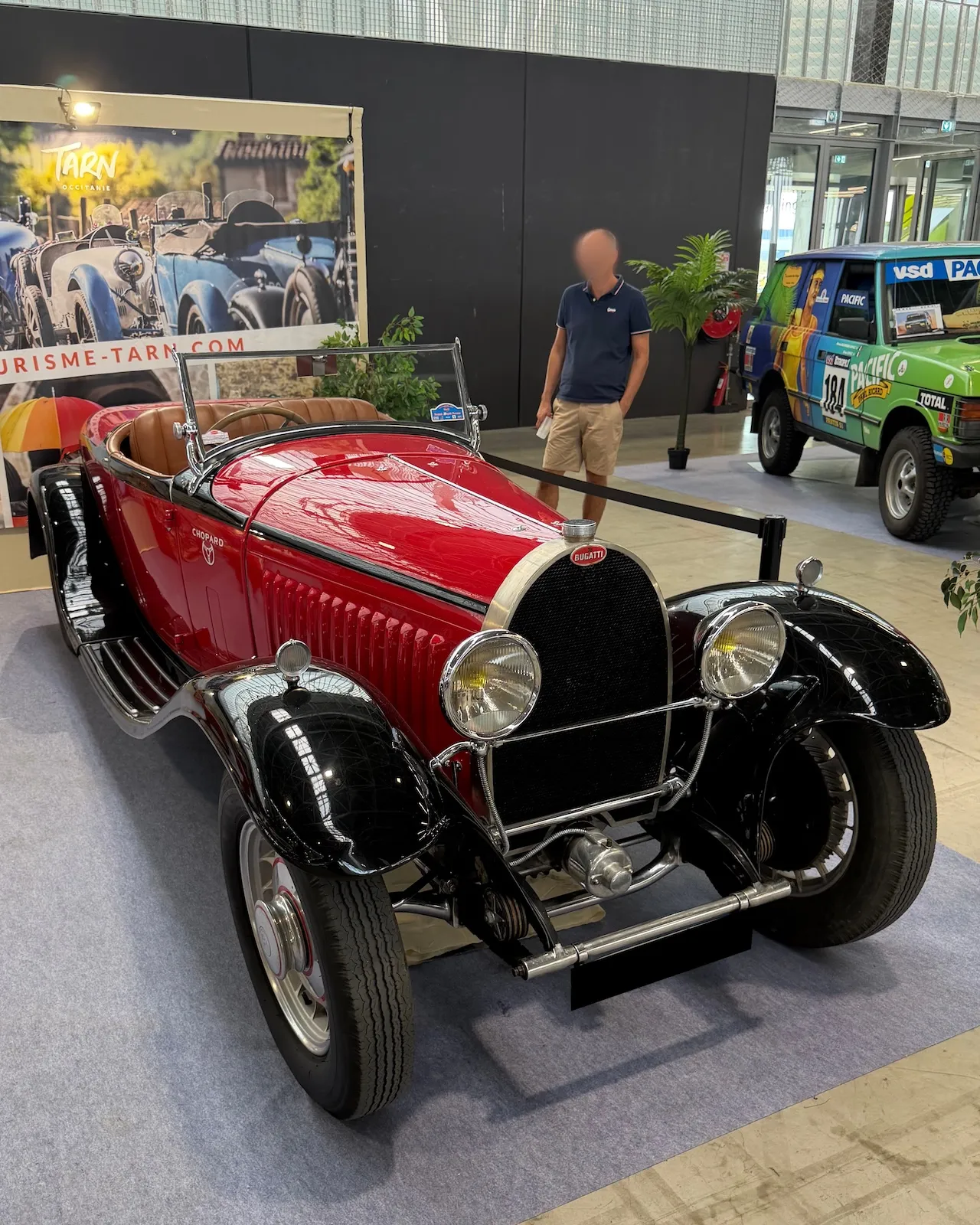
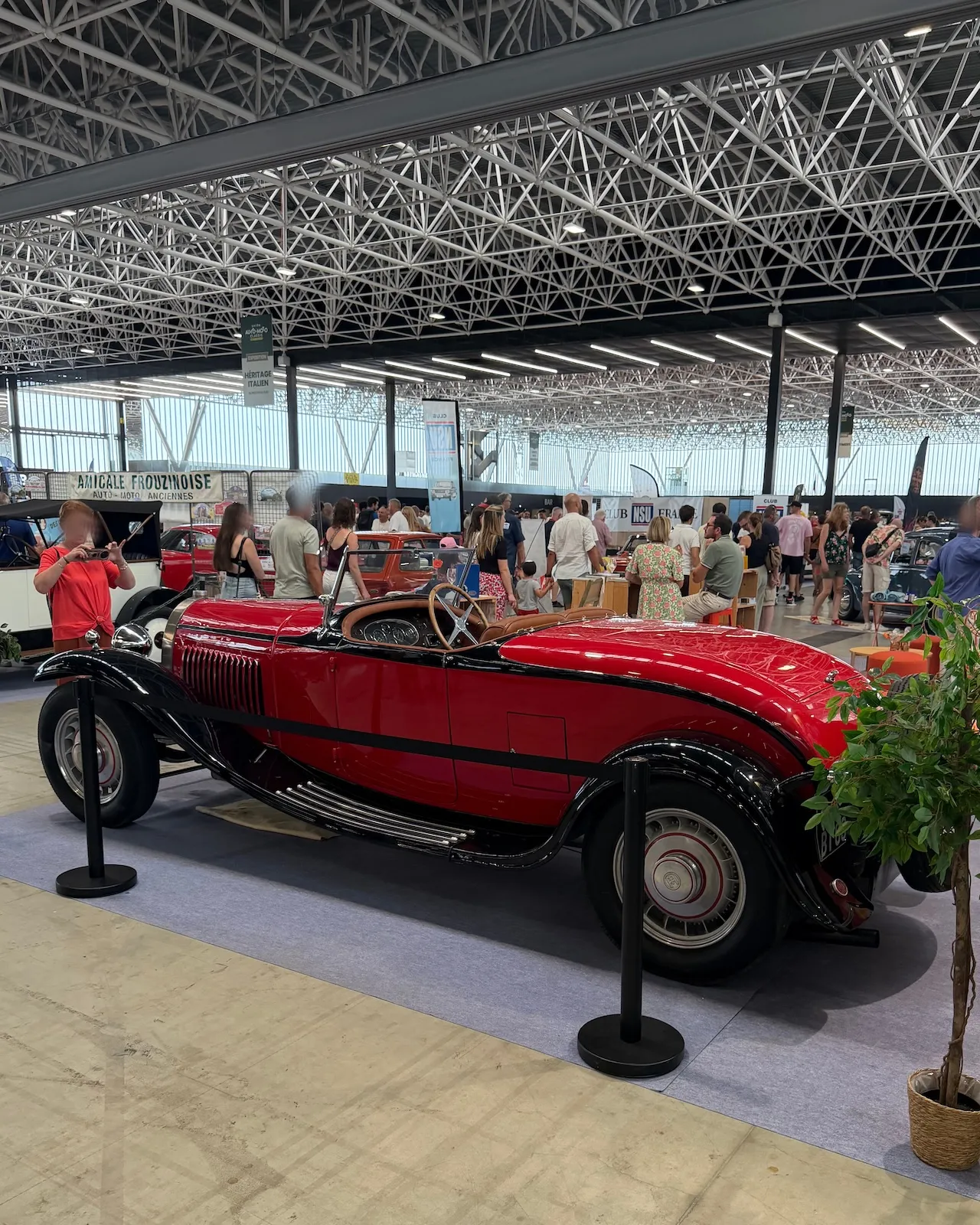
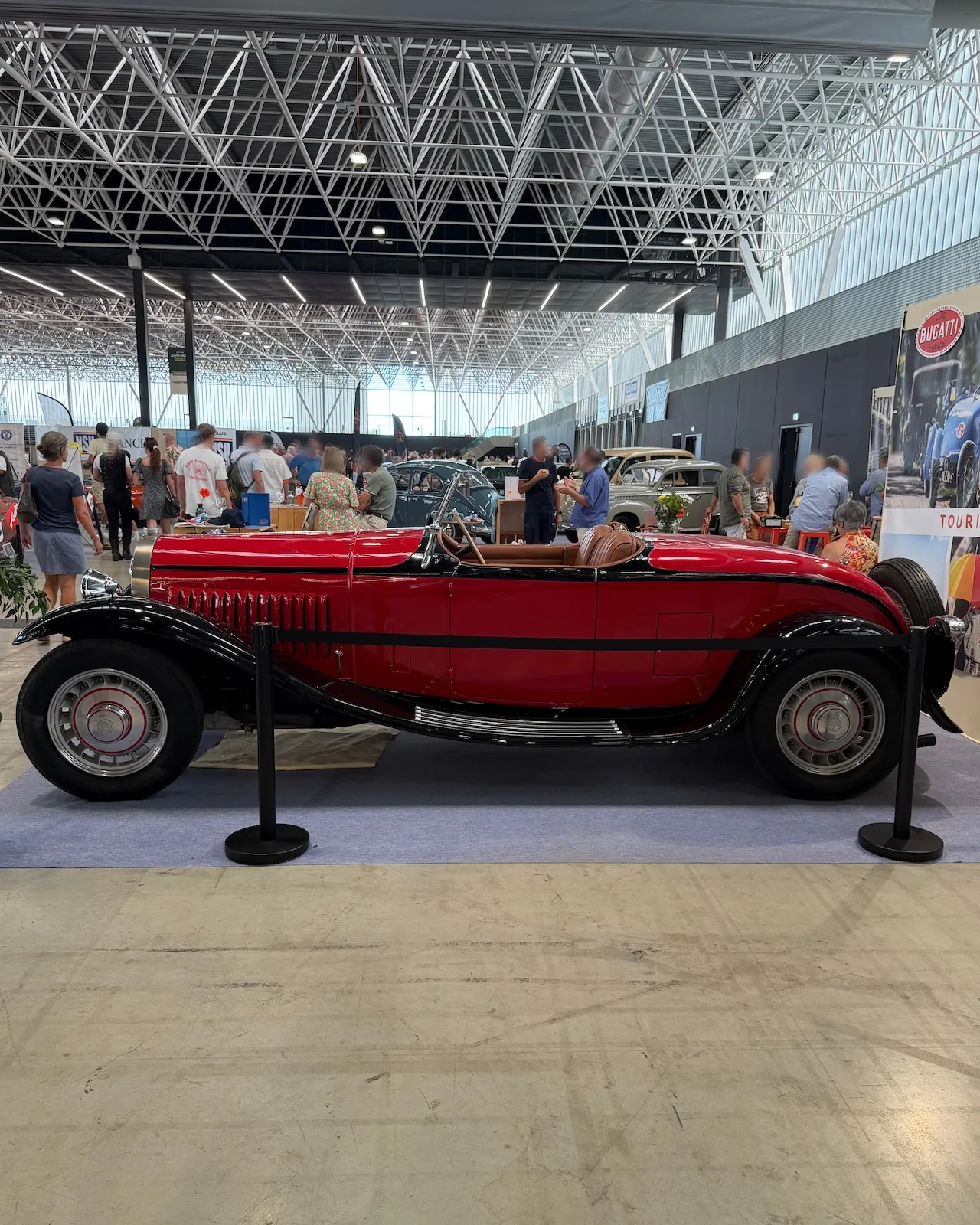
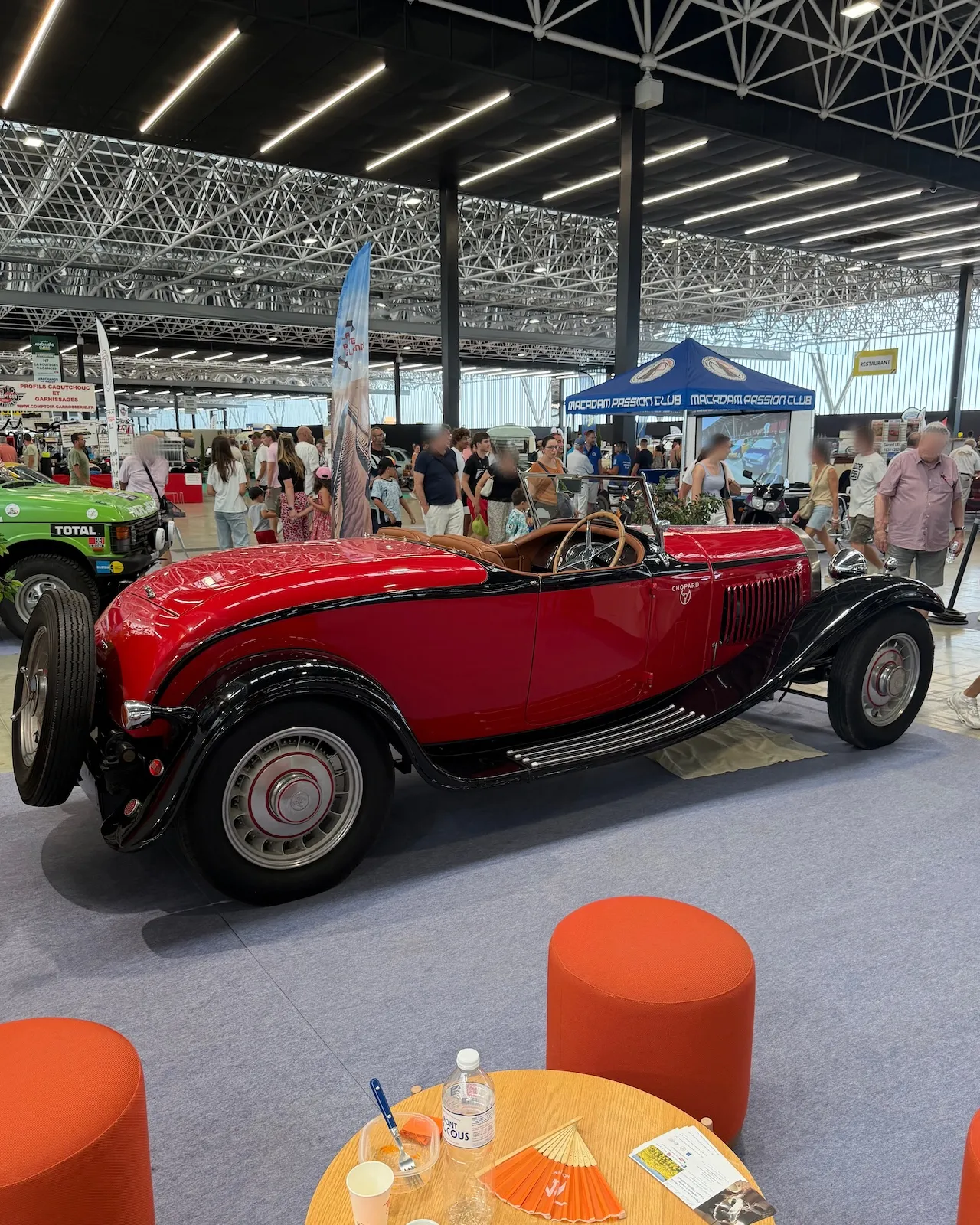
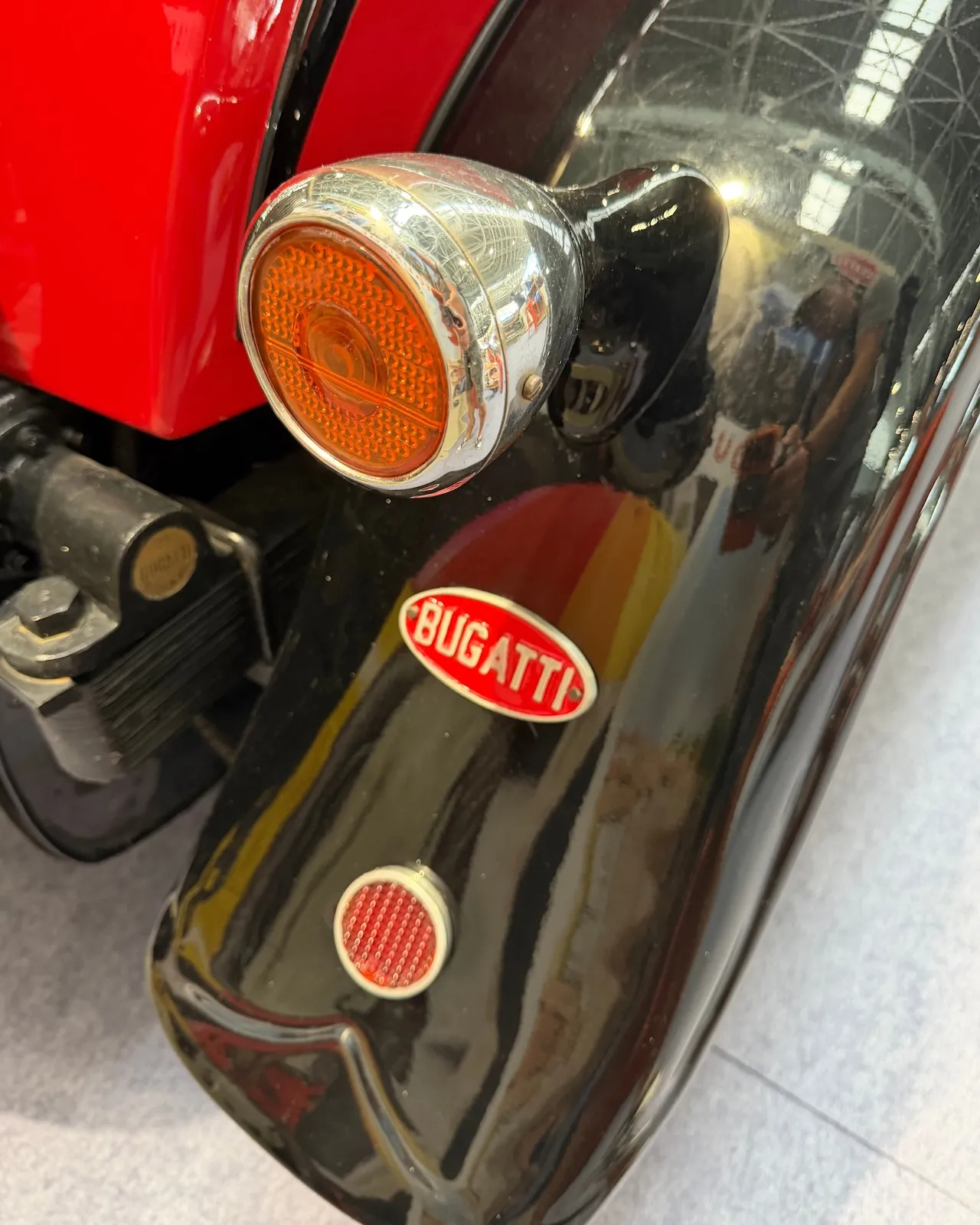
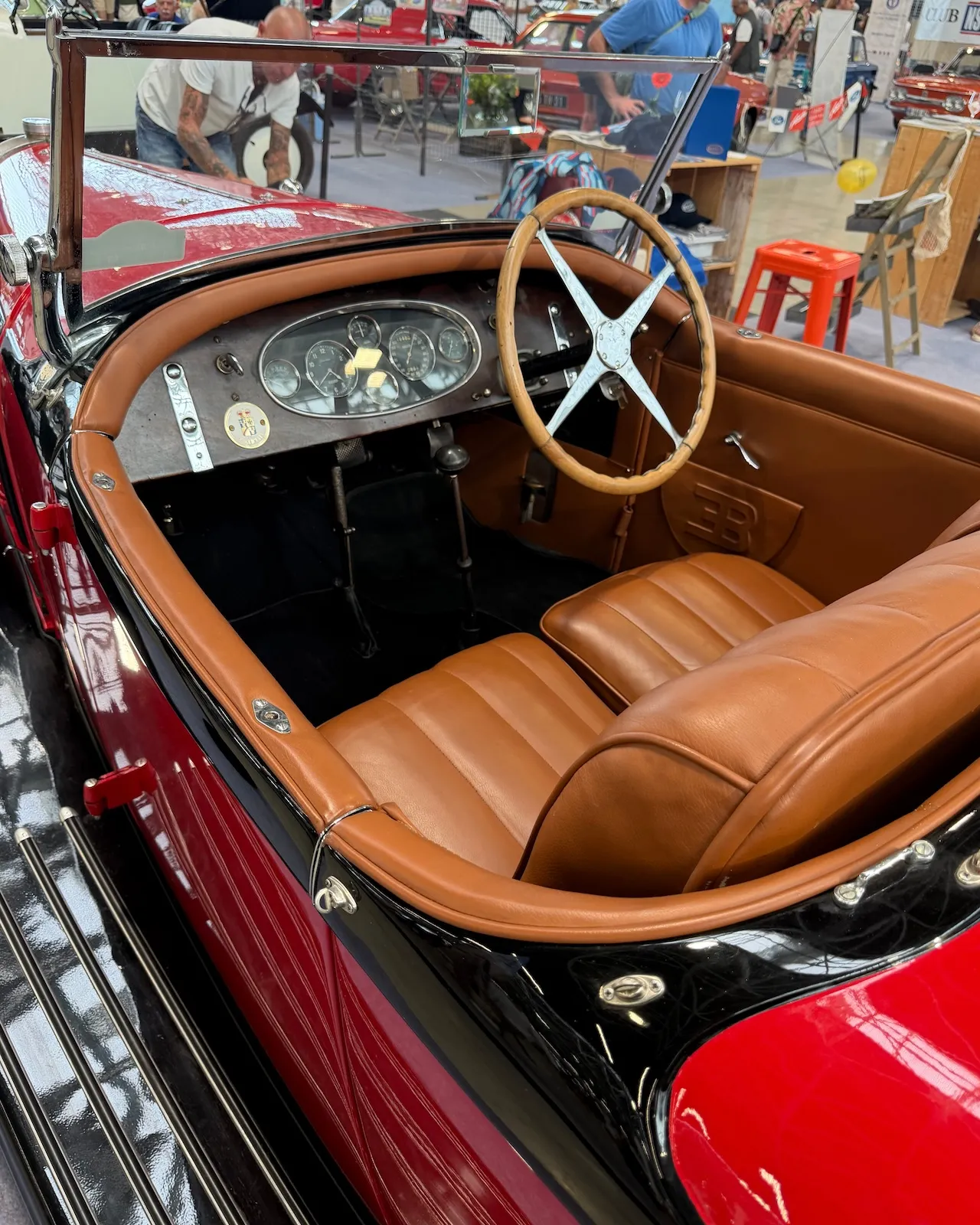
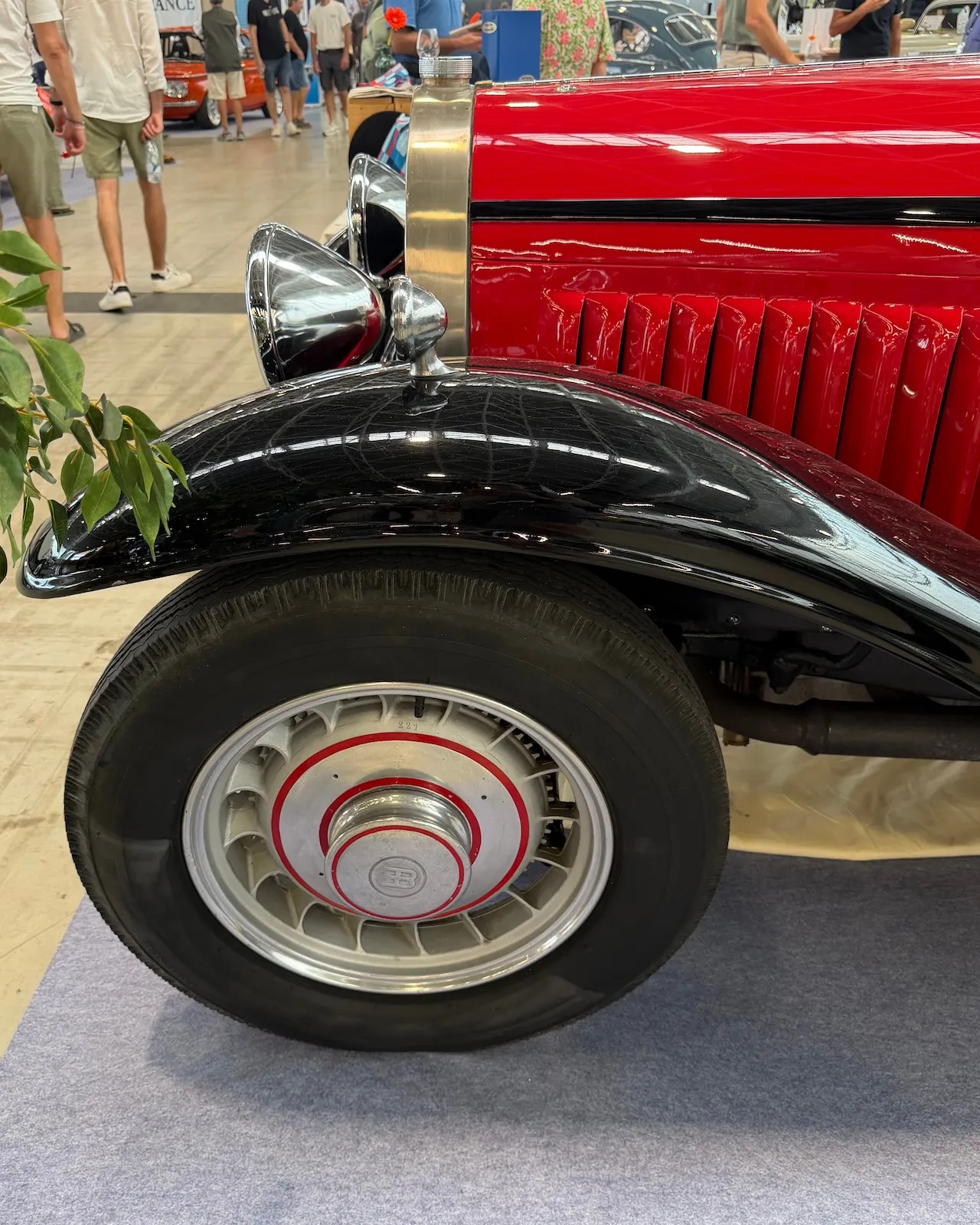
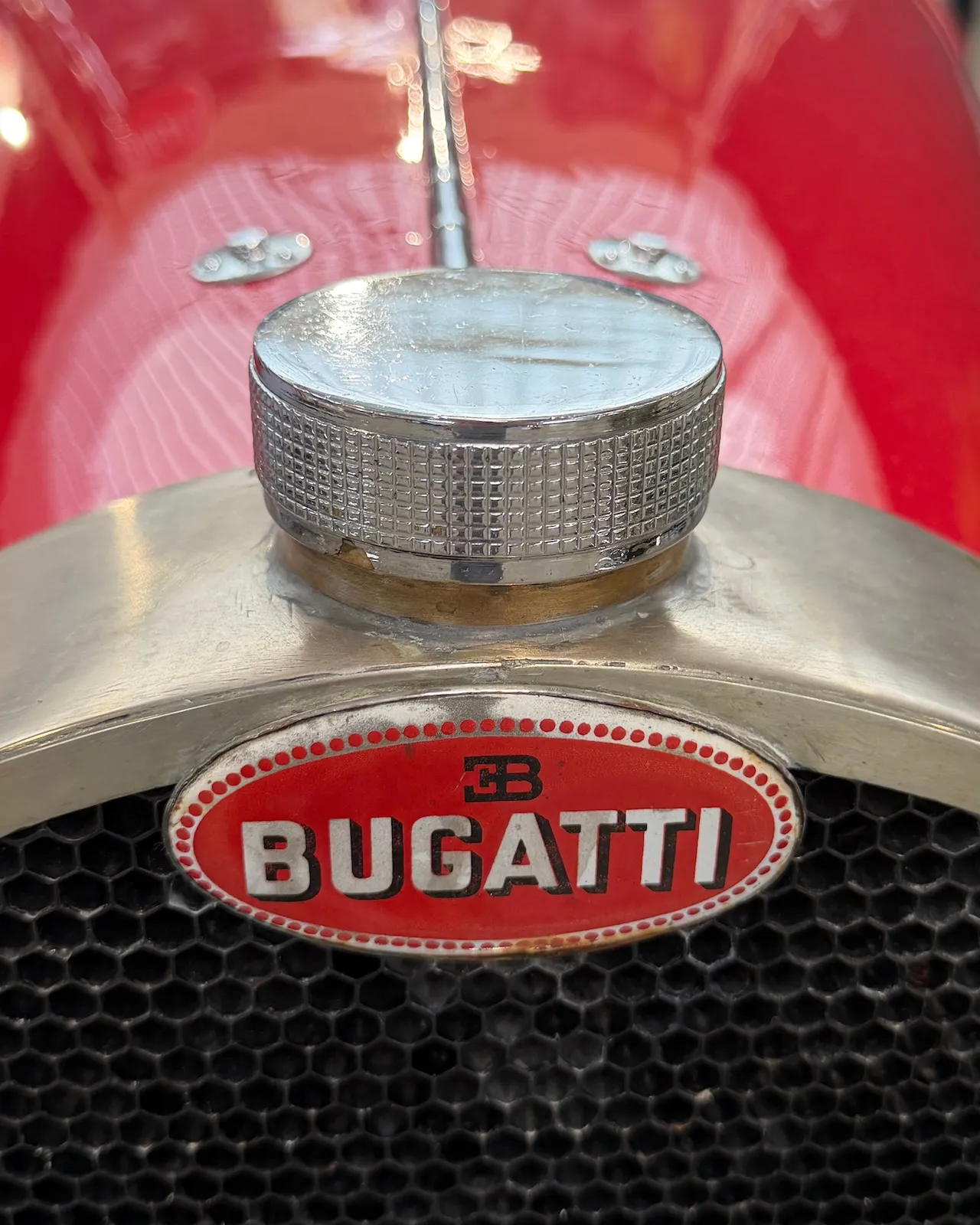
Look at this splendid Bugatti Type 49. It has some particularly interesting features.
The doors are front-hinged and have two hinges rather than three, so they open in the conventional way. If I am not mistaken, it also has no rumble seat, but instead a conventional trunk. The single spare wheel is another unusual feature, as some of the cars were usually fitted with two.
Unfortunately, I was unable to speak with the owner. Was this car coachbuilt by Gangloff? Please let us know if this particular car is familiar to you, or if you have any information about its history.
This Bugatti was spotted during the weekend at the splendid Salon Auto Moto Classic in Toulouse, France (MEETT). Thanks to the organizing team.
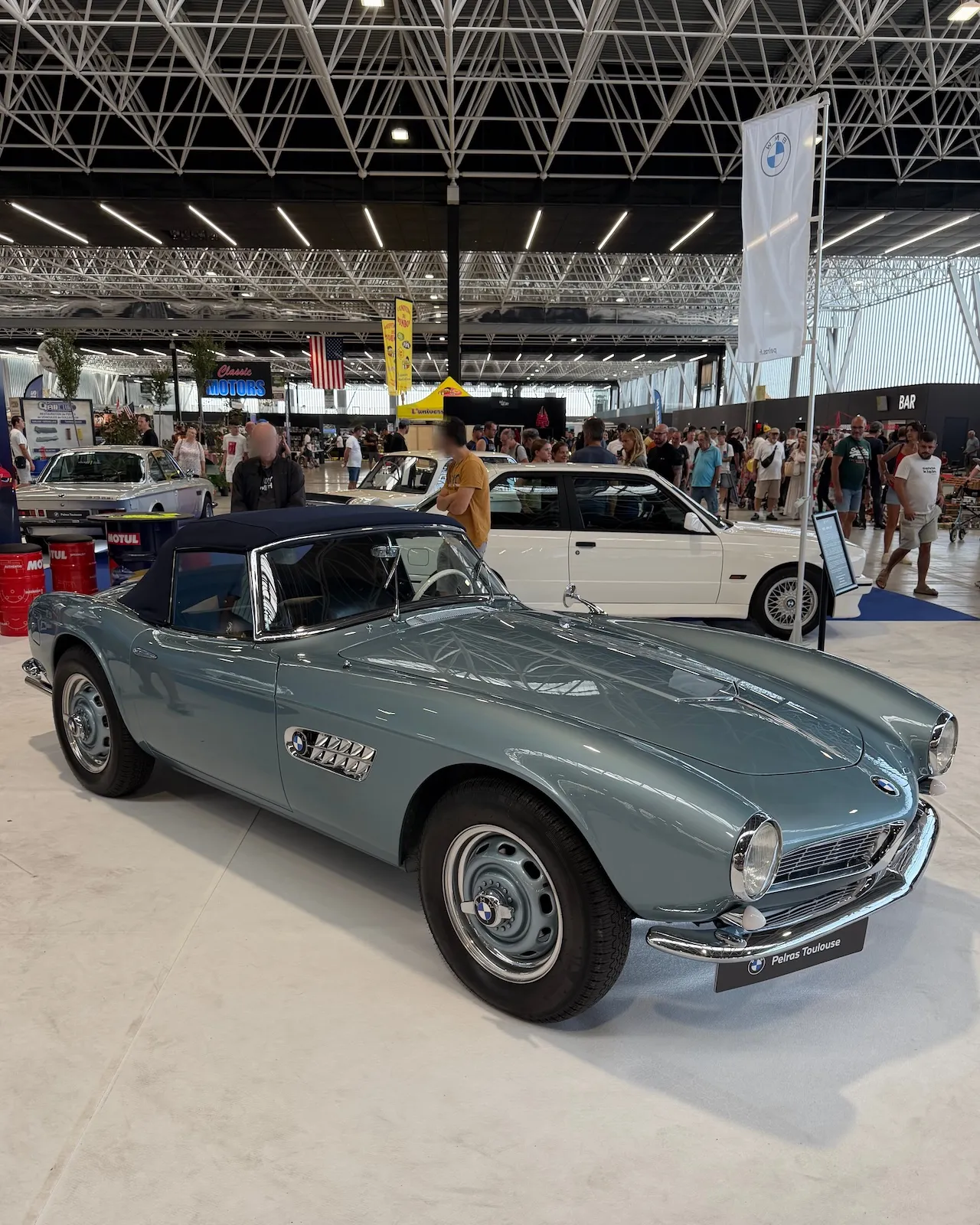
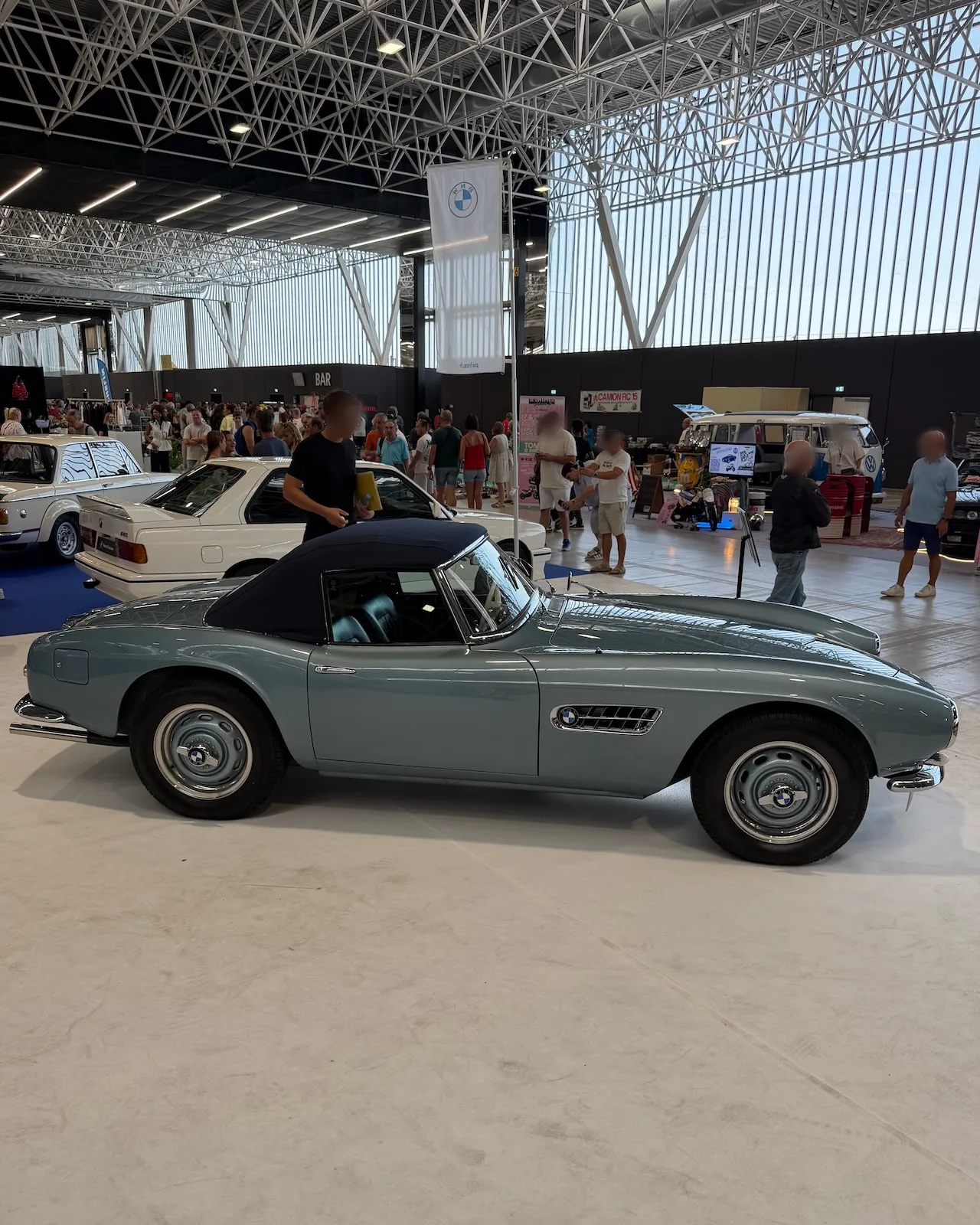
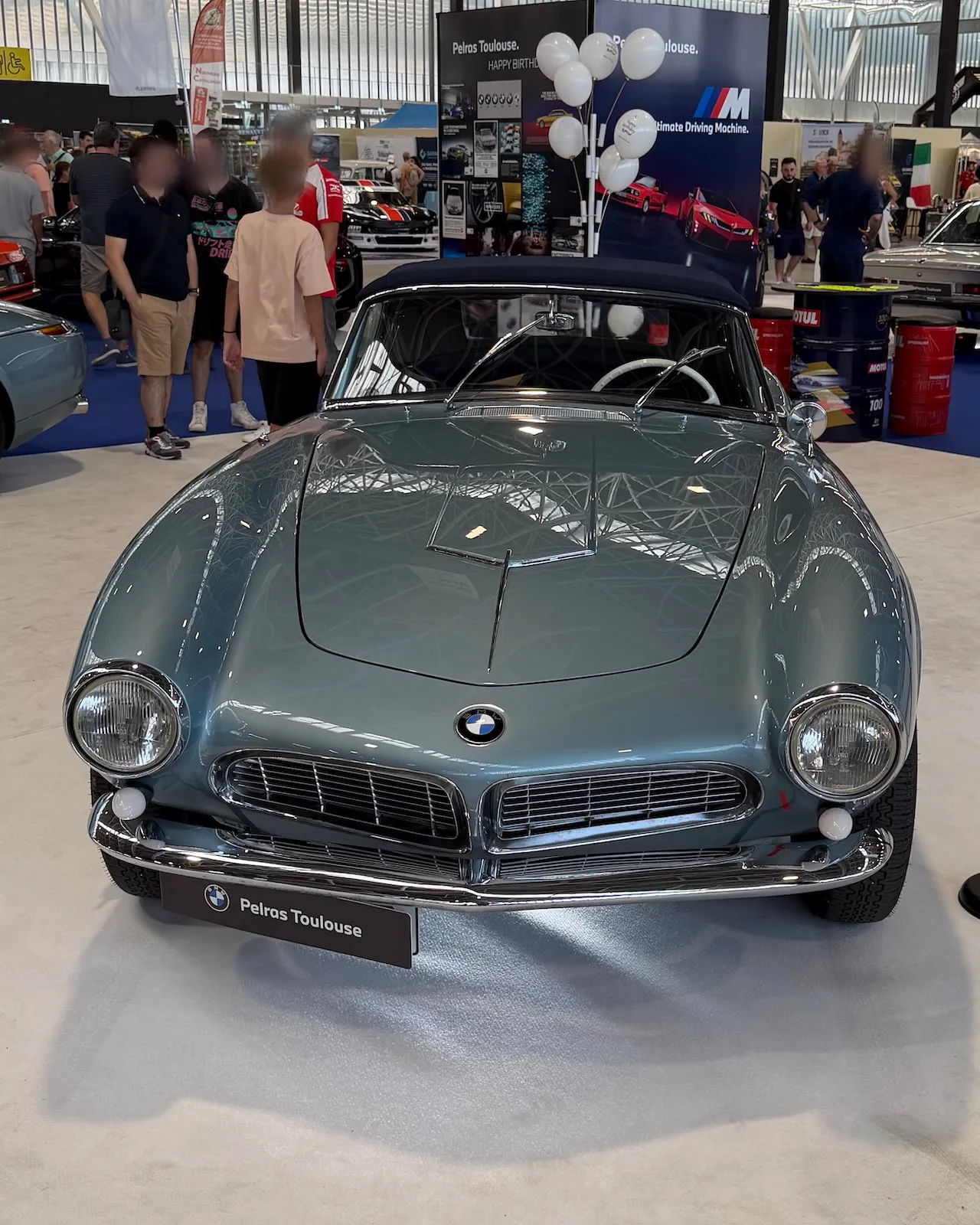
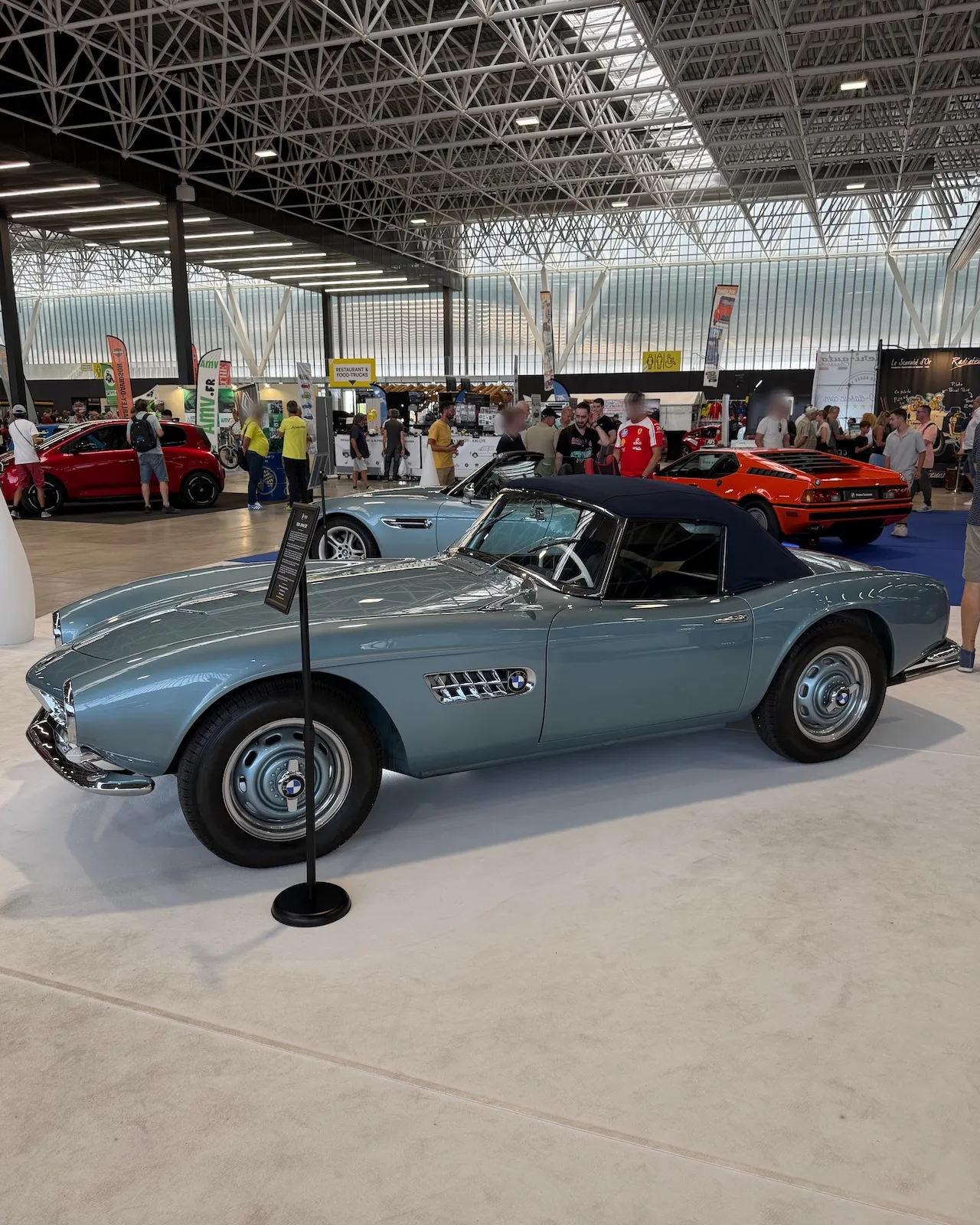
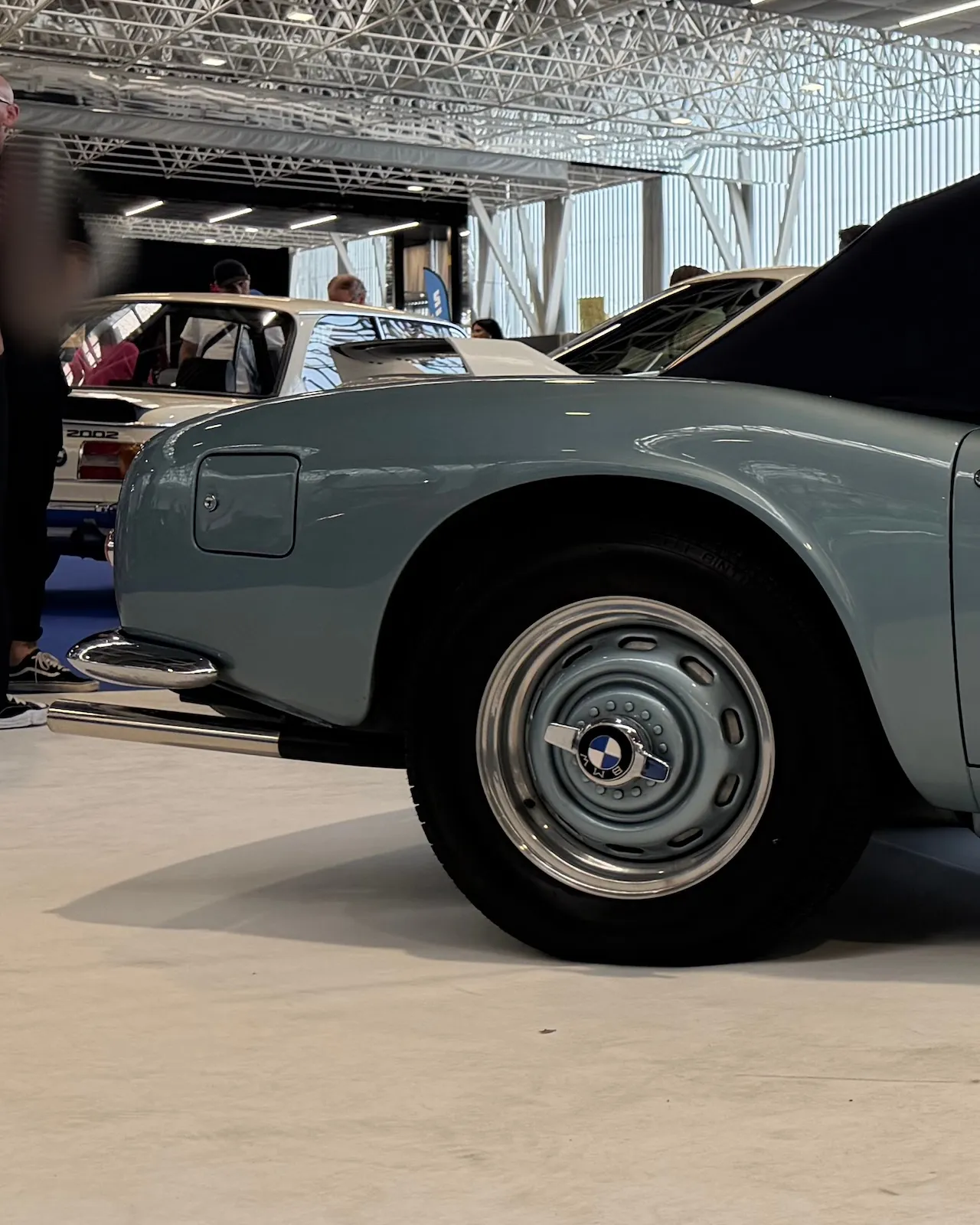
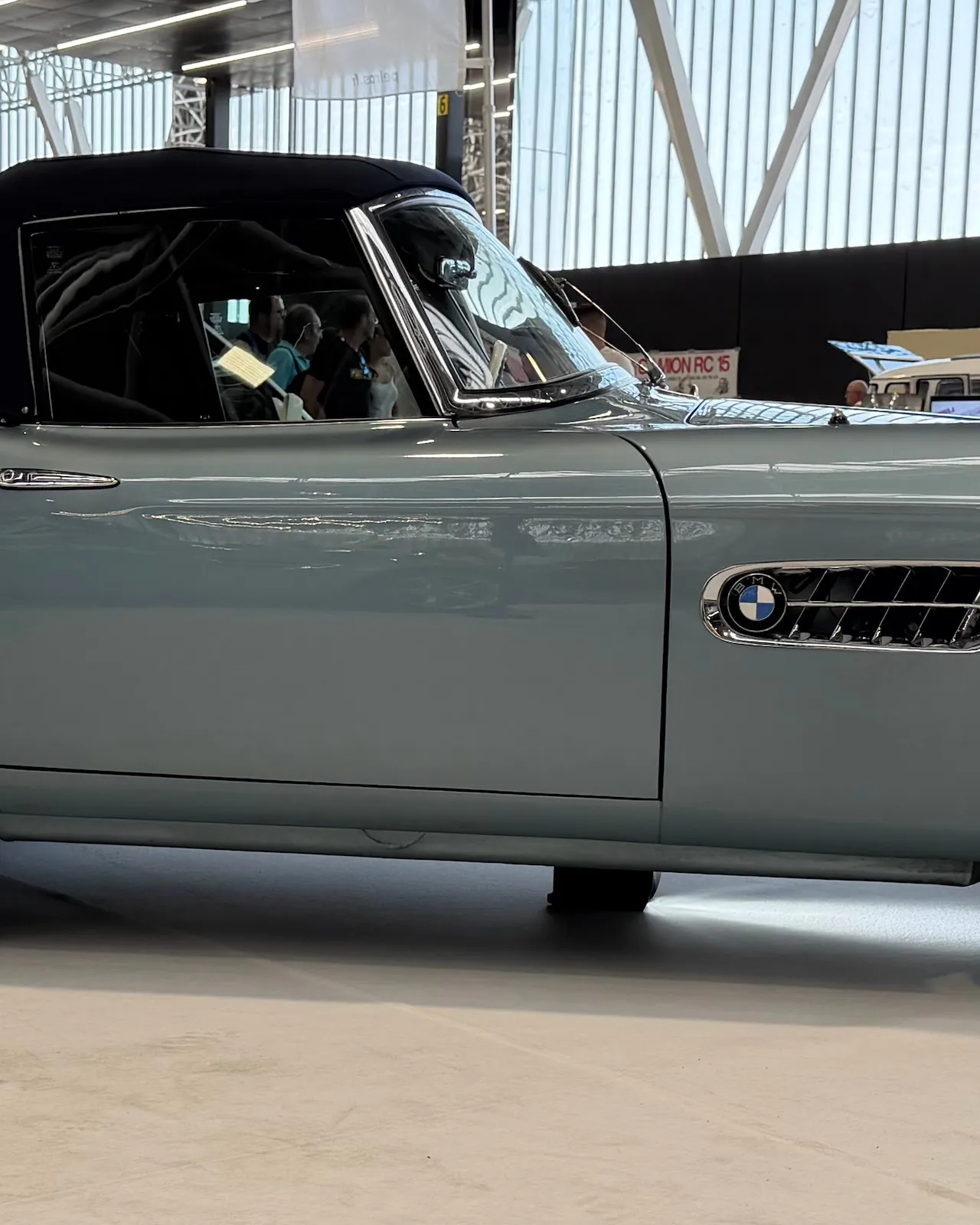
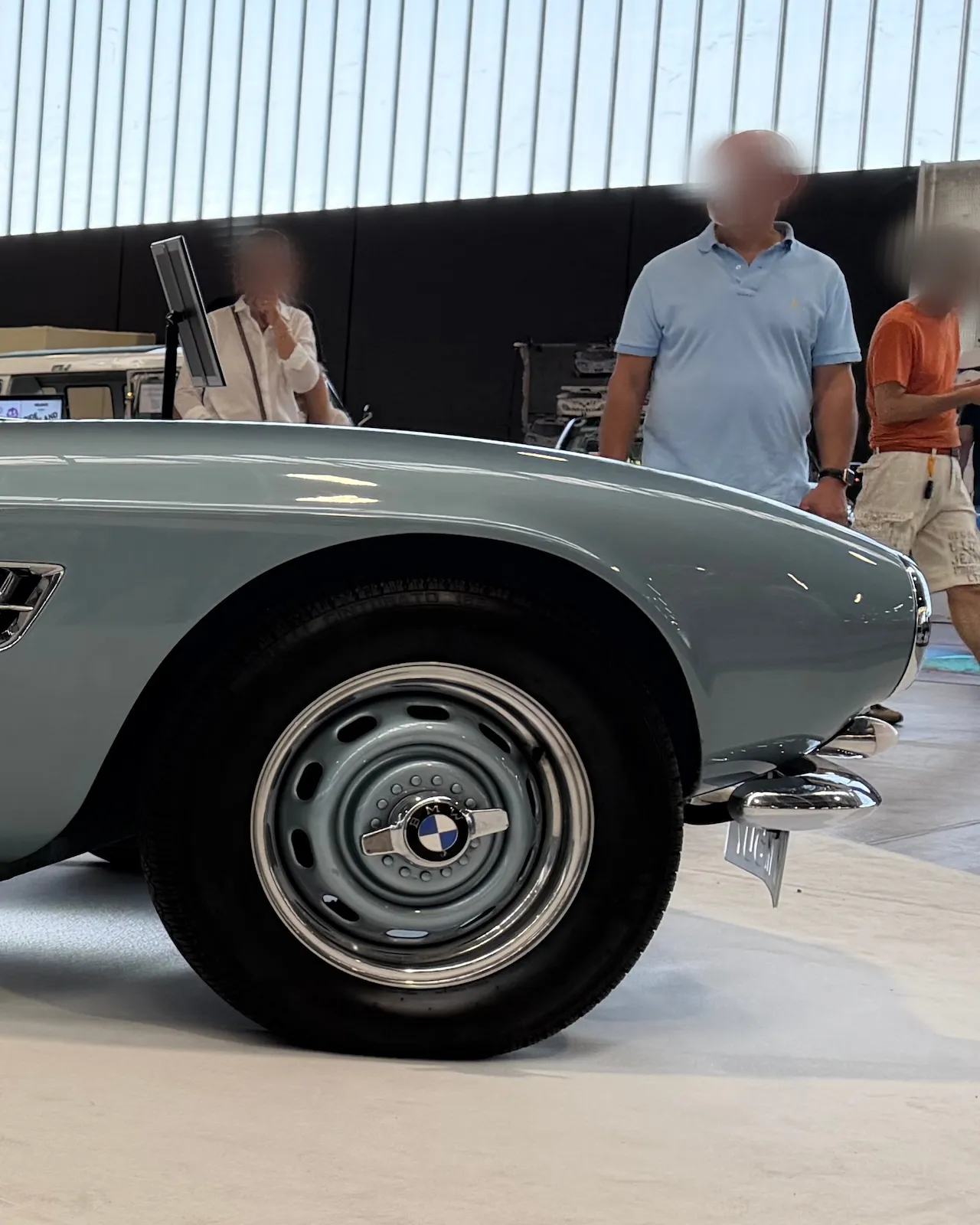
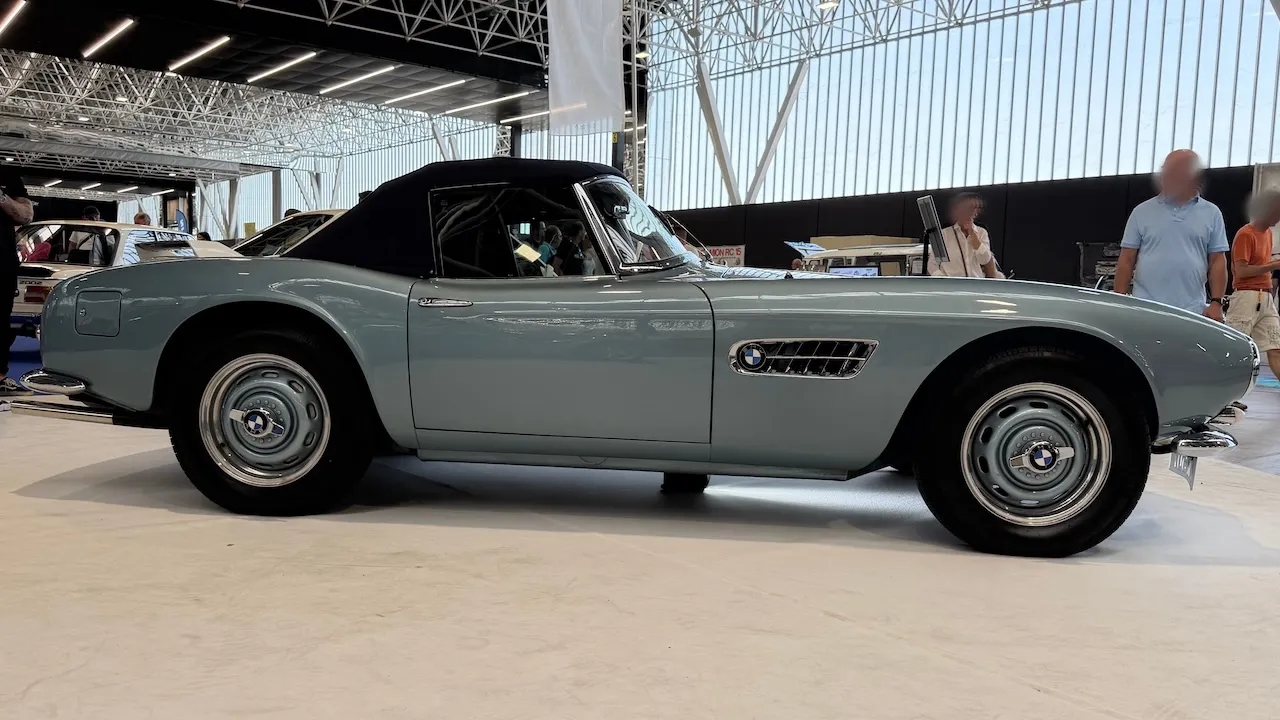
One of the most beautiful cars of the 1950s? Let me introduce you to the 1958 BMW 507.
This particular example was on display, with other great BMW, at the excellent Salon Auto Moto Classic in Toulouse, France (MEETT). Thanks to the organizing team.
In the mid-1950s, BMW was looking to break into the US market. With the help of Max Hoffman, a renowned importer of European cars in the US, BMW began designing a new roadster that was both luxurious and sporty. Unveiled in 1955 at the New York Auto Show, the sculptural, low-slung, and sleek design by Albrecht von Goertz was an instant hit.
BMW poured all its expertise into the project. Beneath its aluminum body lay a brand-new engine, also made of aluminum: a 3.2-litre V8 producing 150 HP. The interior offered an excellent driving position and was finished with premium materials.
Stars of the era took a liking to it, including Elvis Presley, Alain Delon, Jean Marais, and racing driver John Surtees. However, its extremely high production costs, due to its largely handcrafted construction, made it a commercial failure. The originally planned price had doubled, and as a result, only 254 units were produced by 1959.