For important events, Héritage automobile shares pictures to complete its communication on social networks.

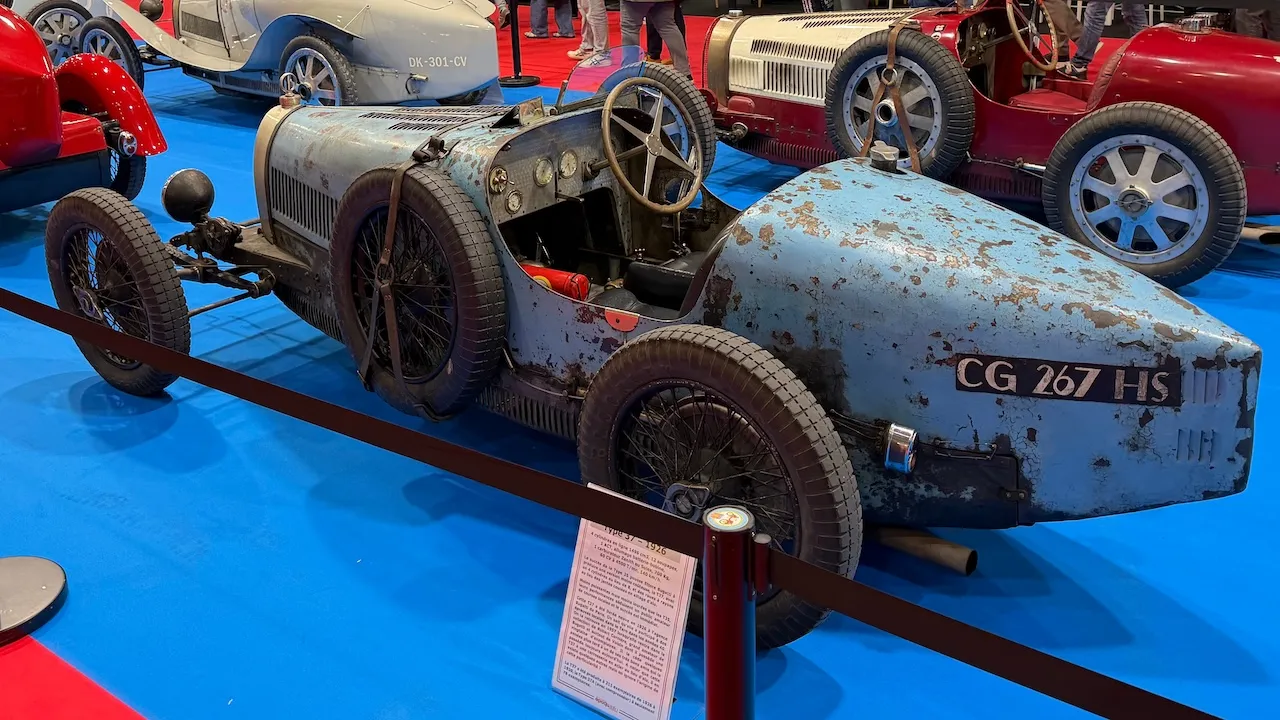
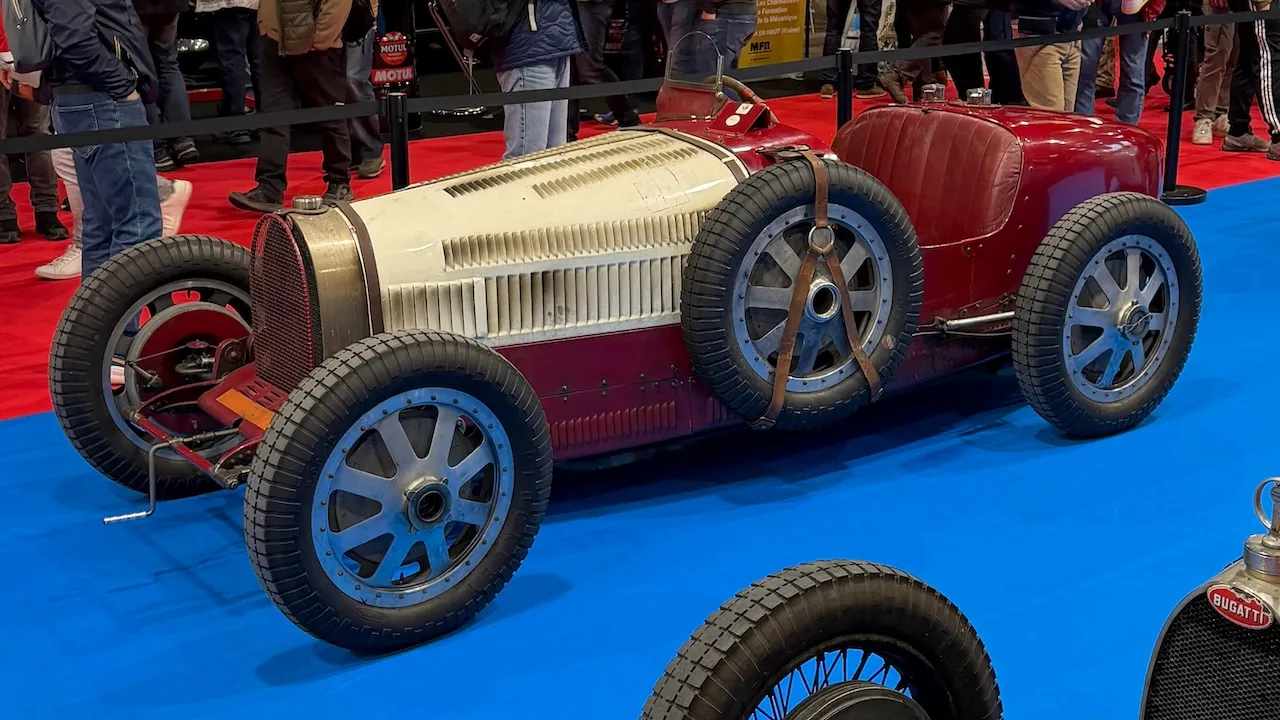
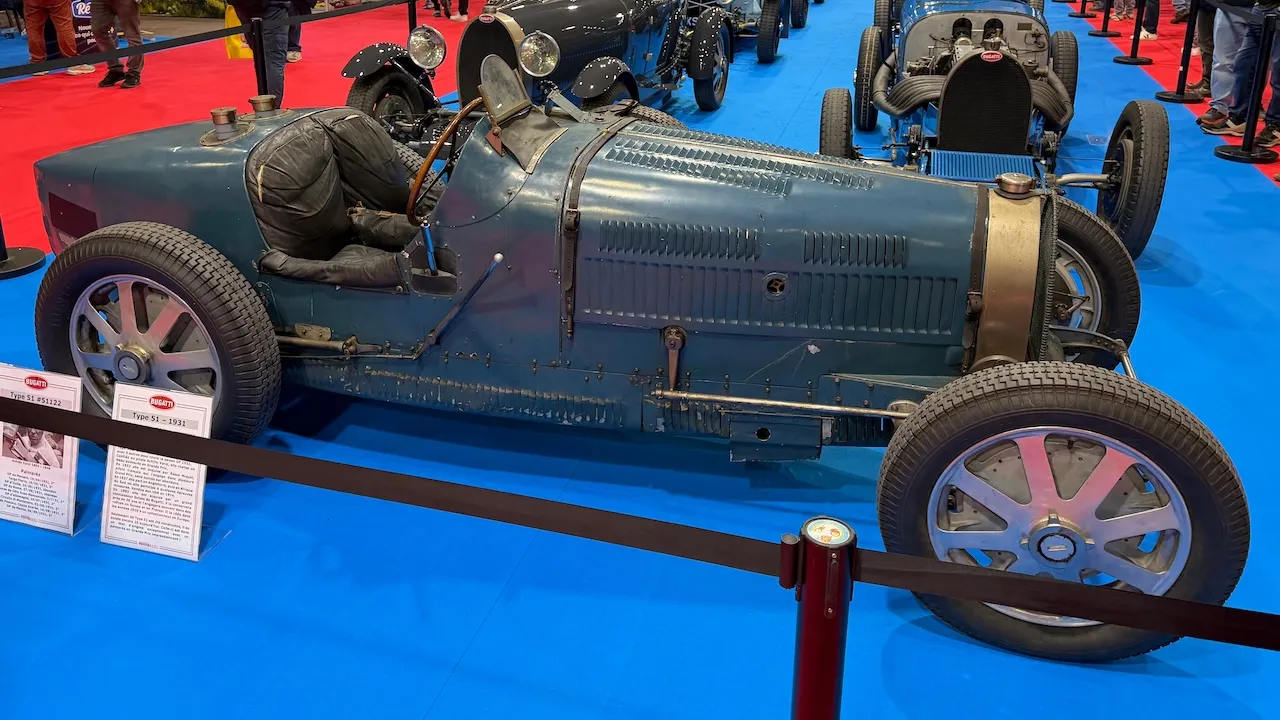
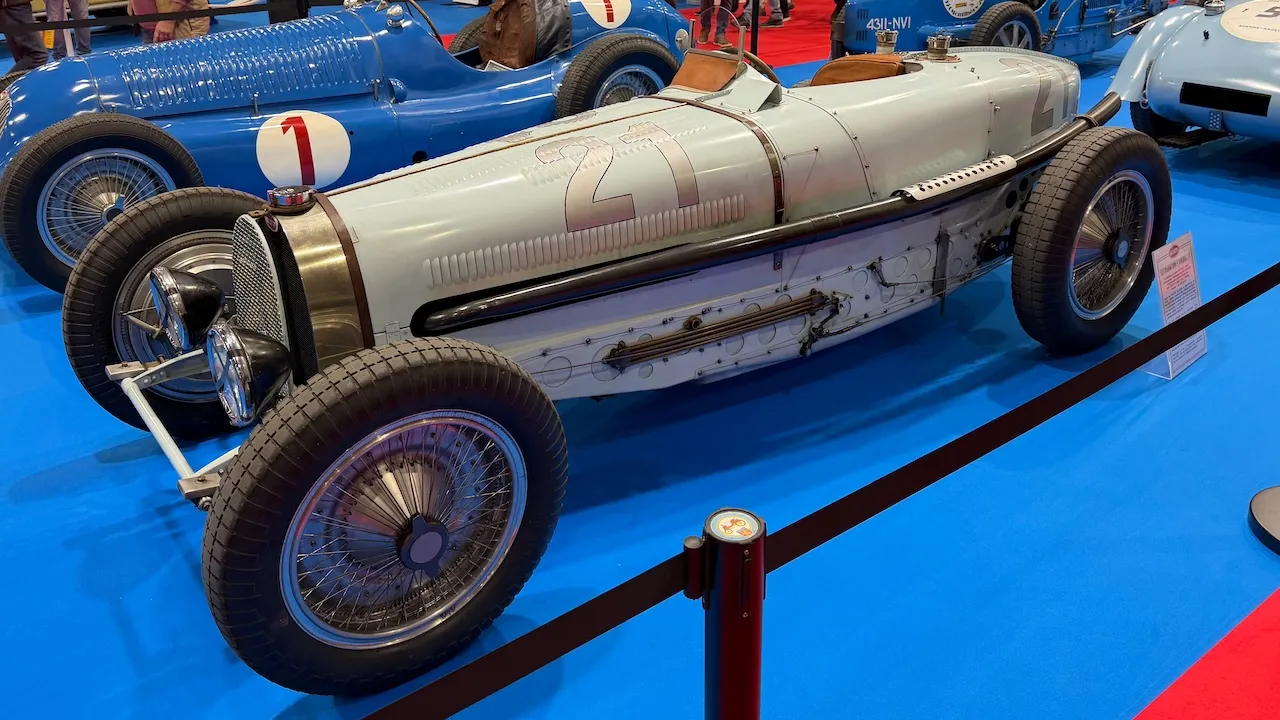
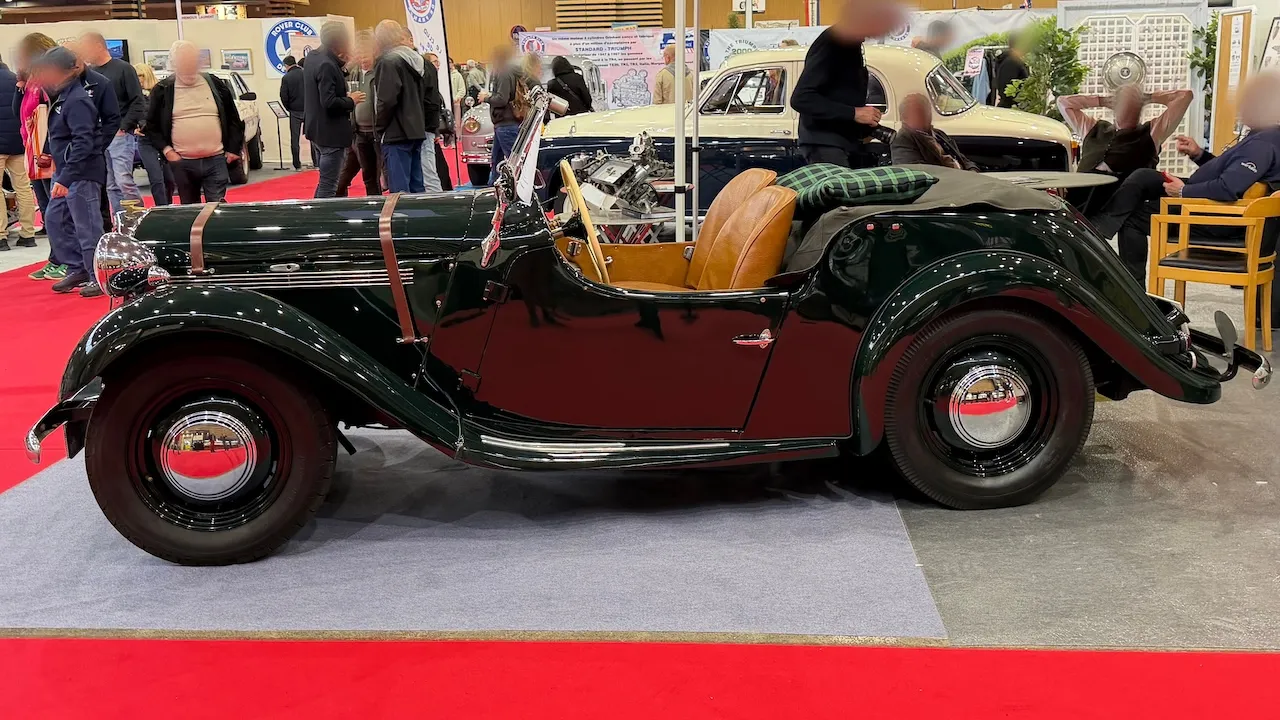
See the pictures for a nice sample of cars. To welcome you: Bugatti Type 37.
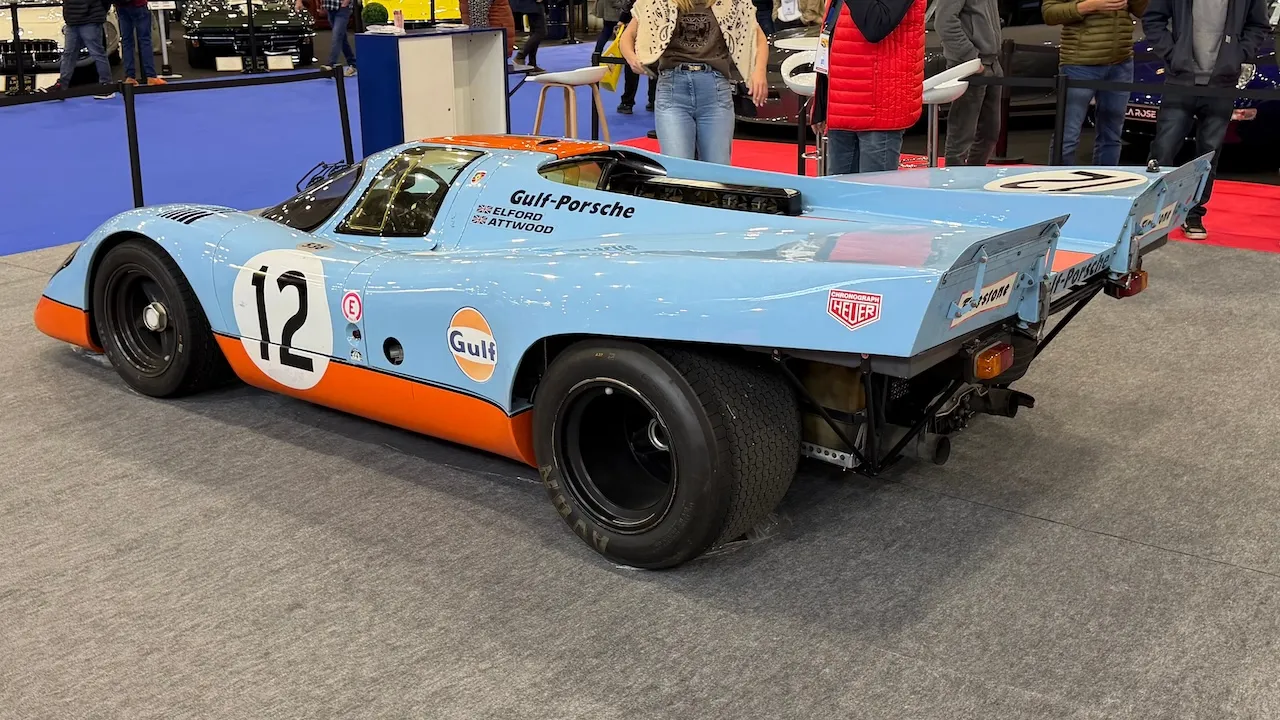
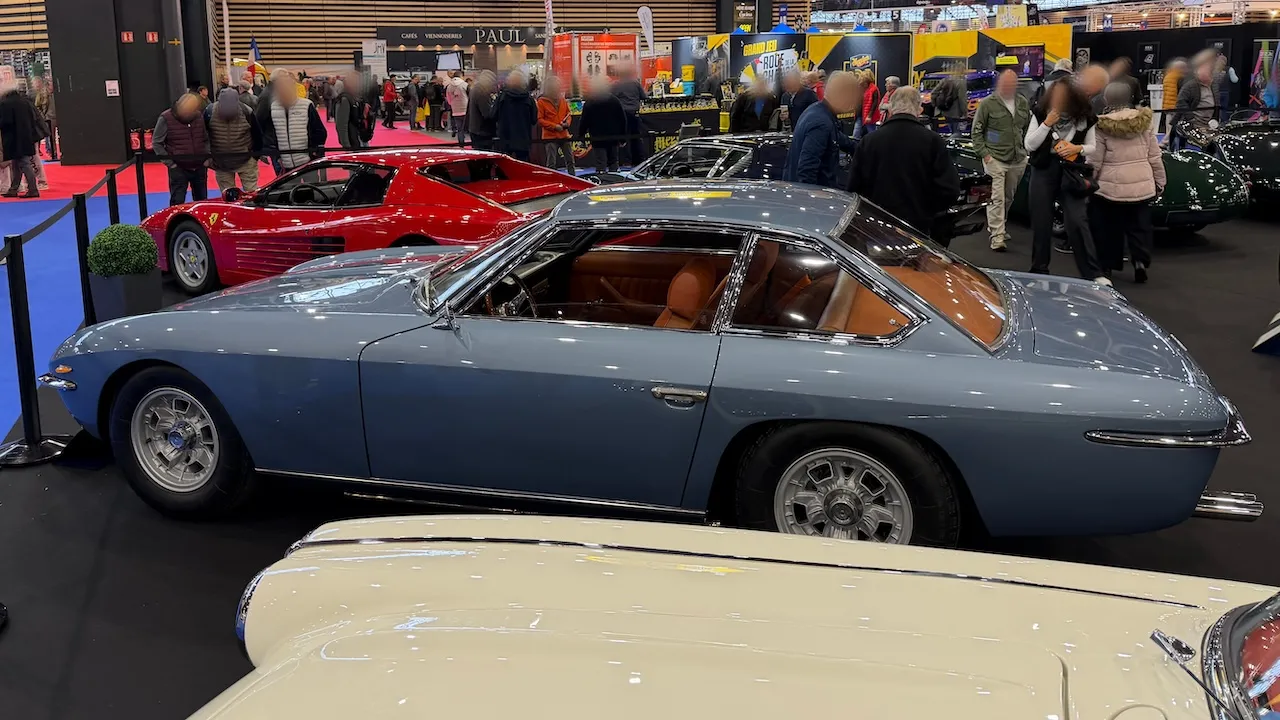
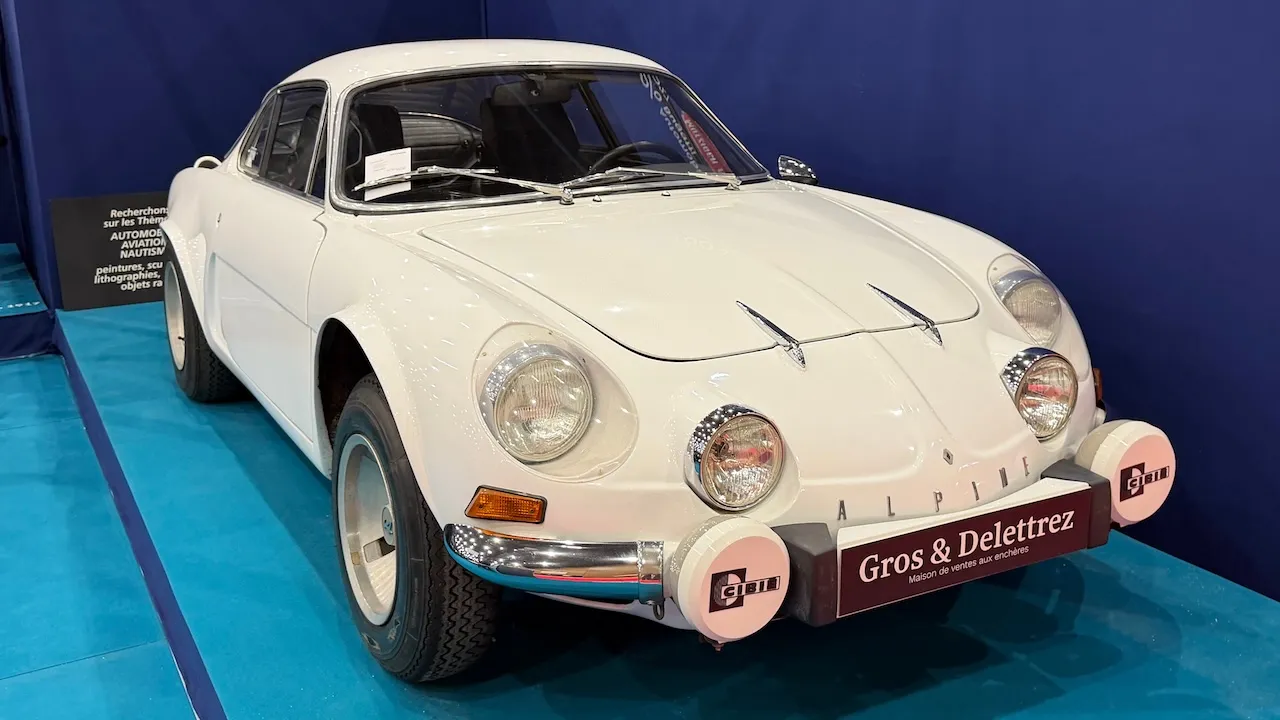
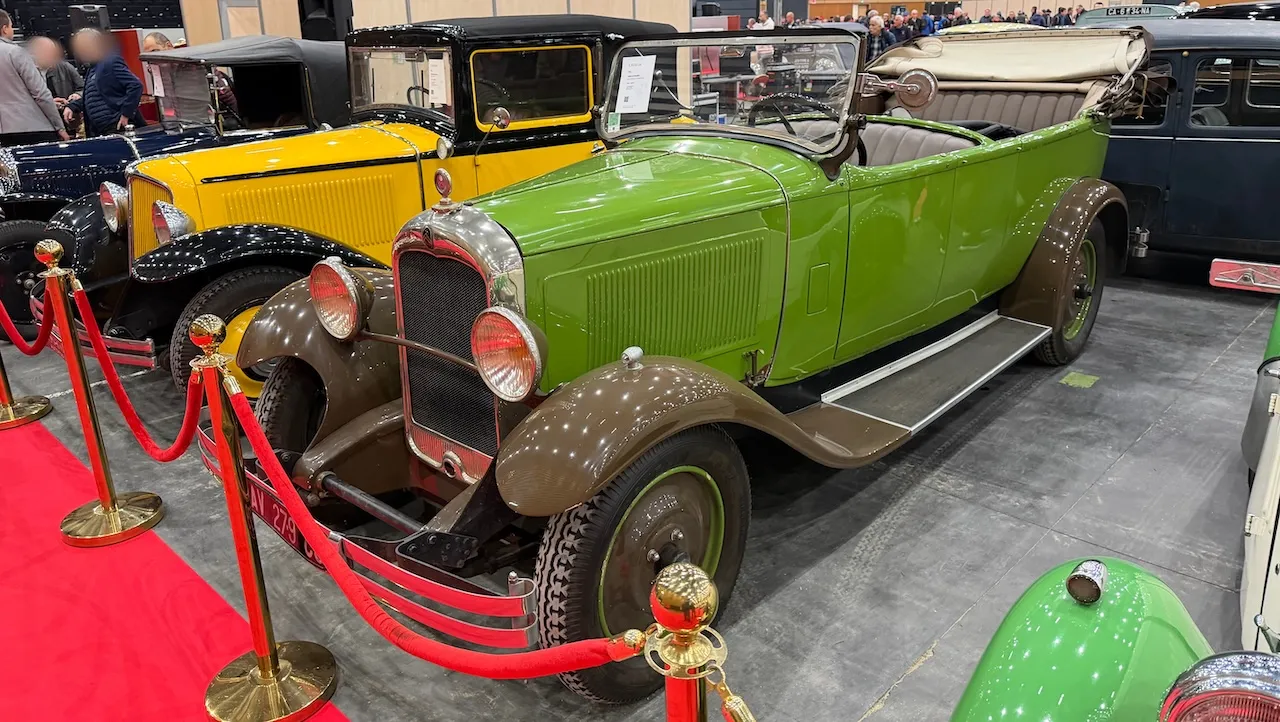
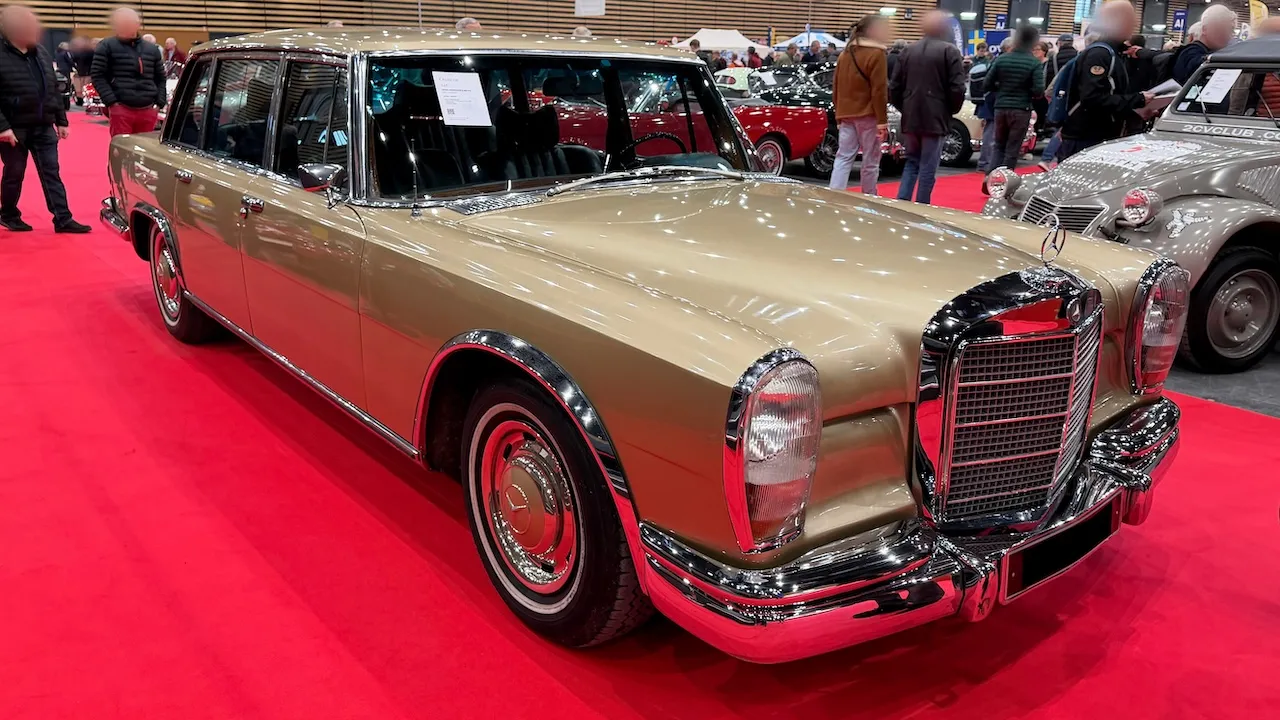
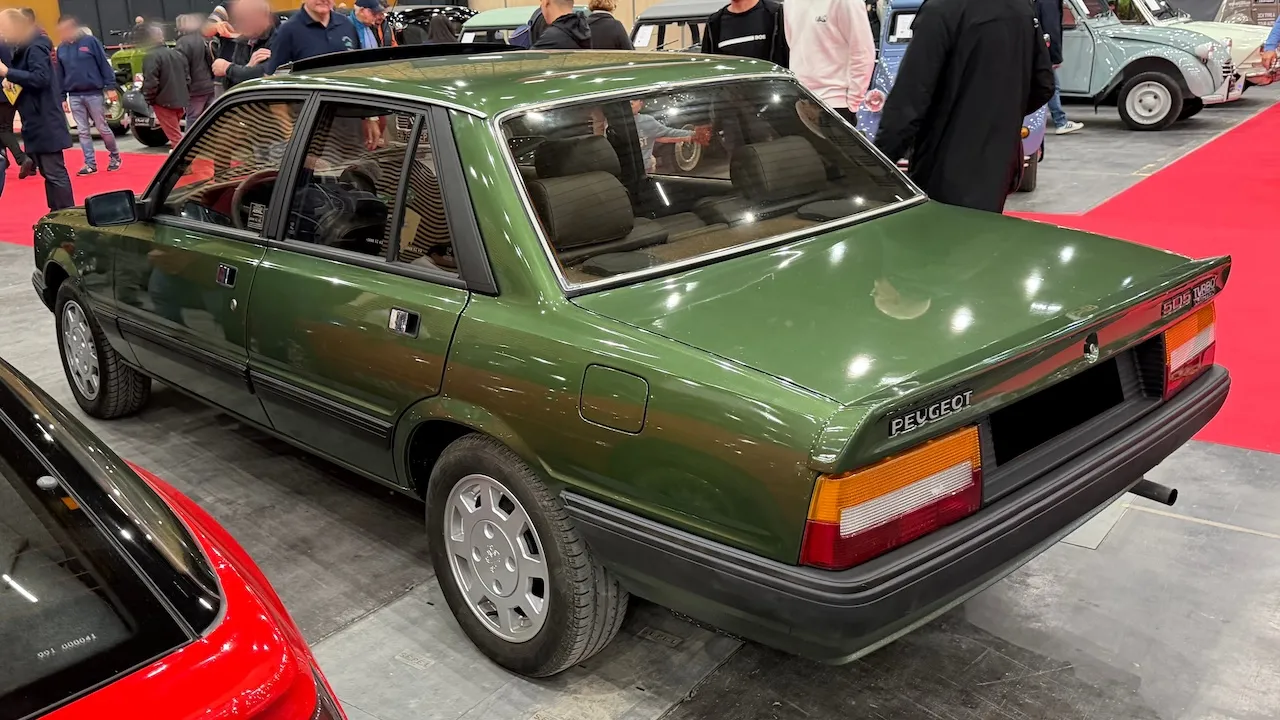
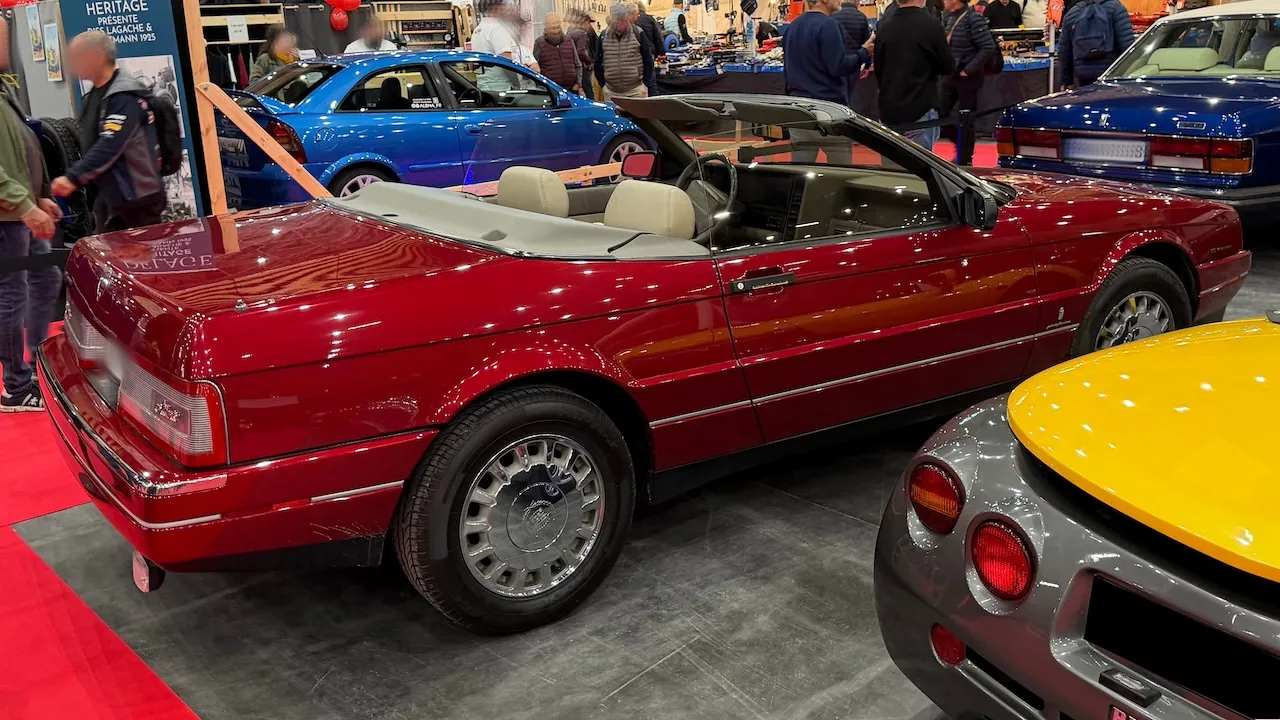
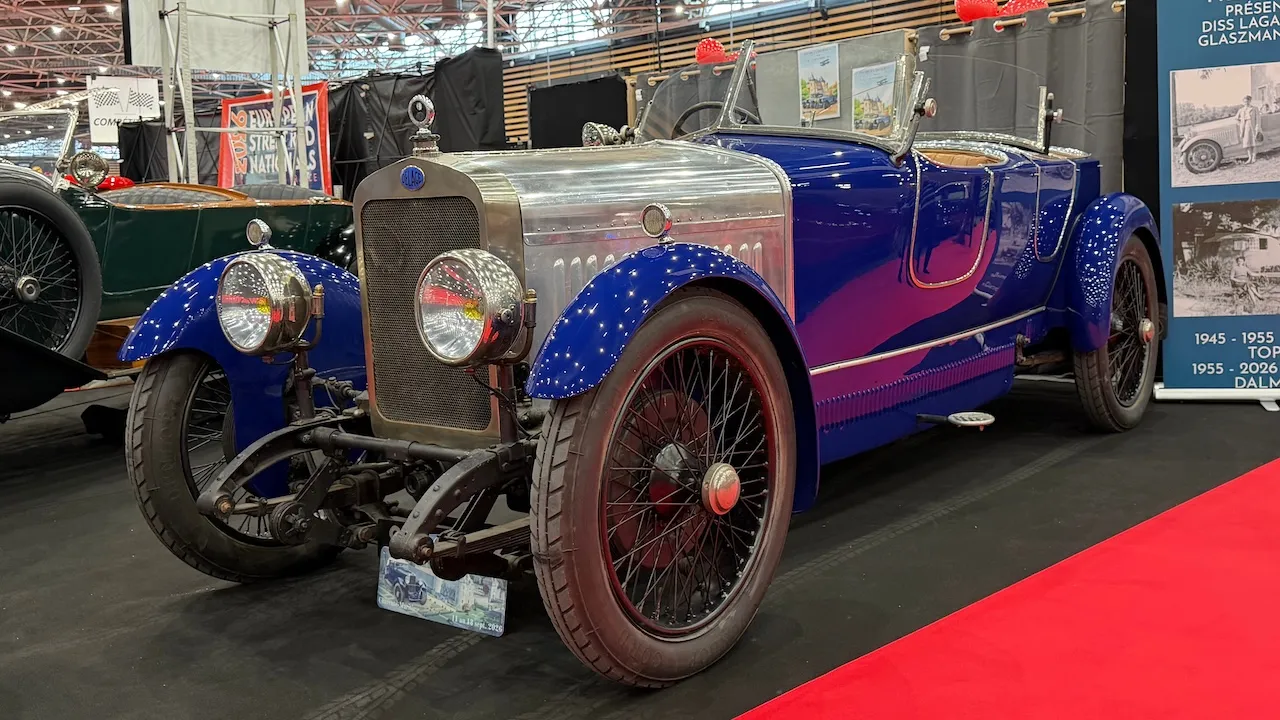
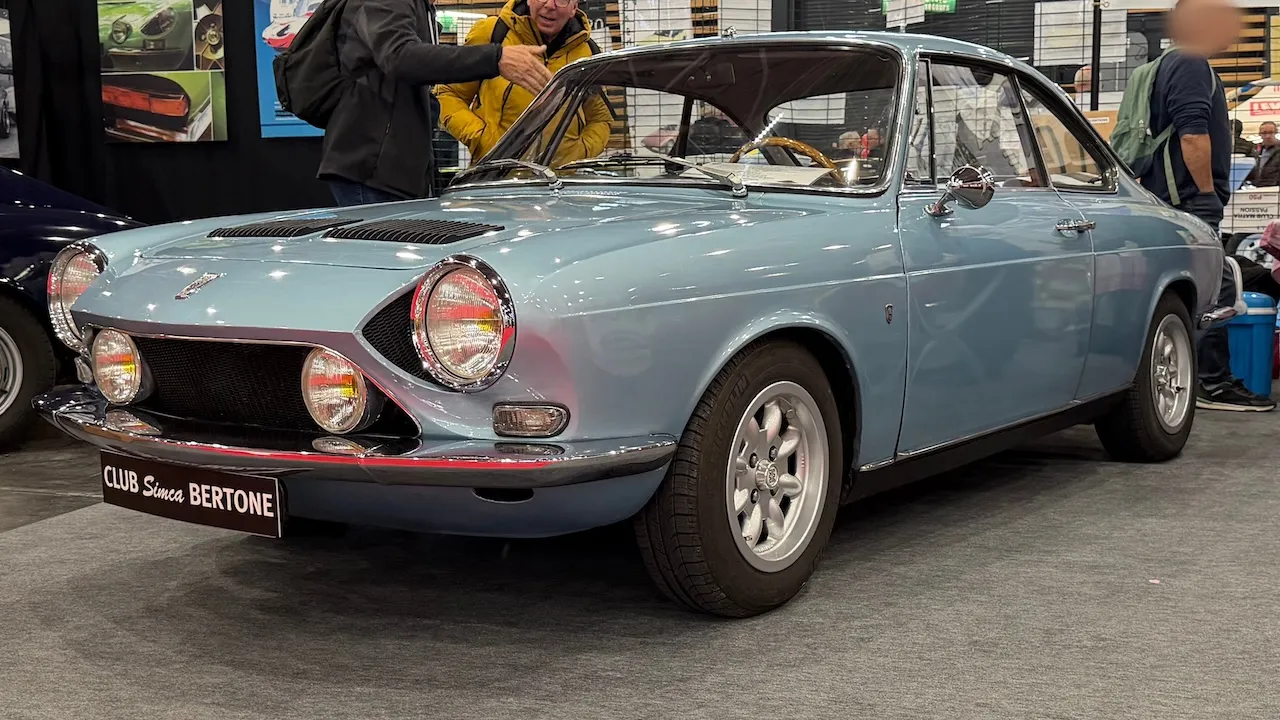
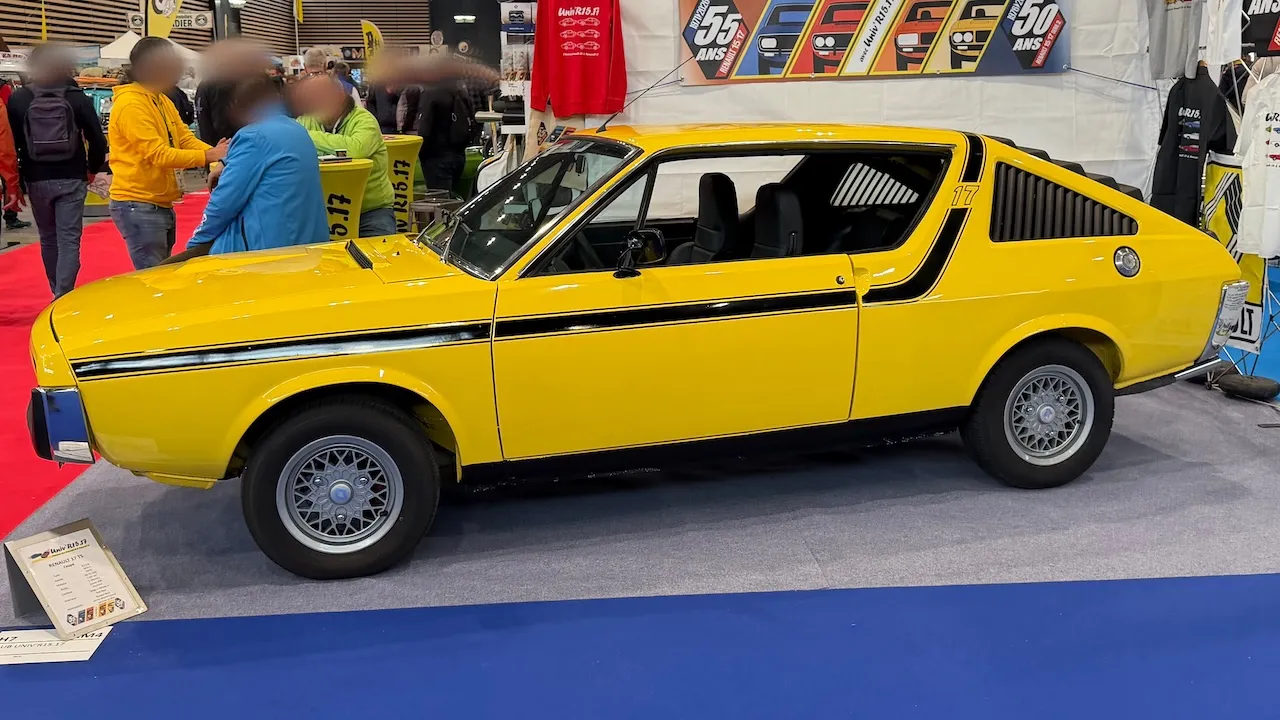
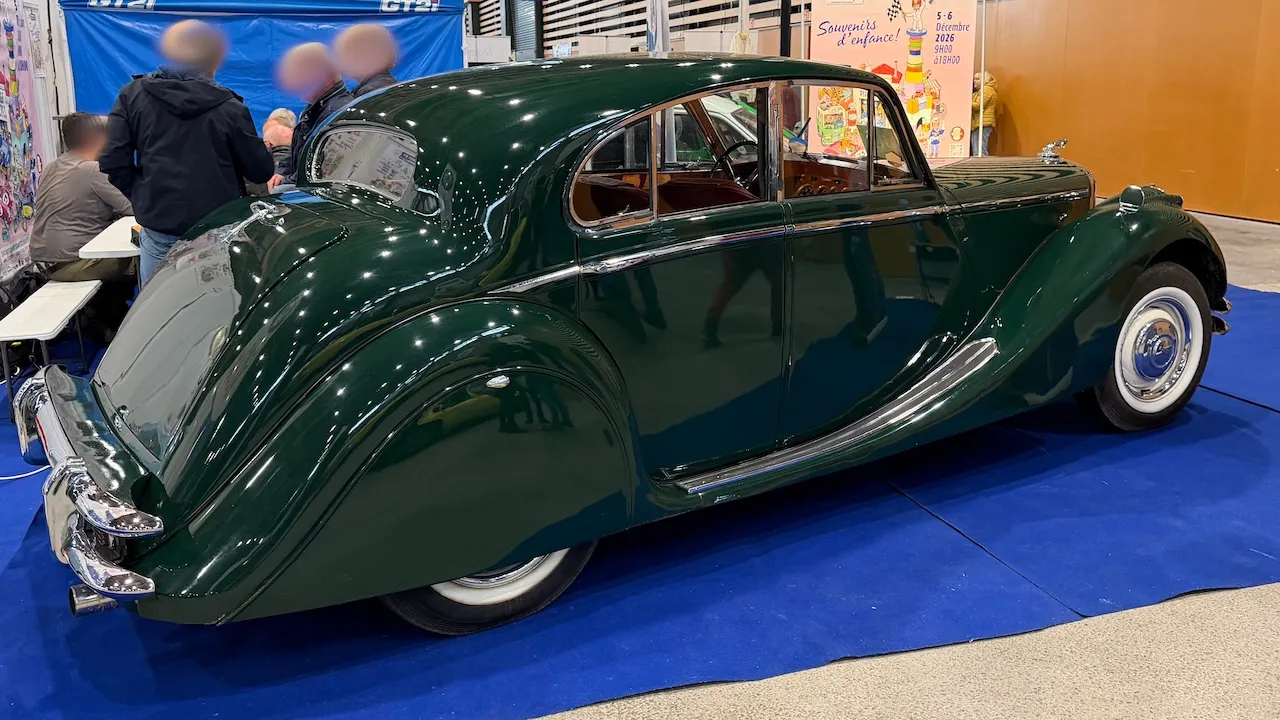
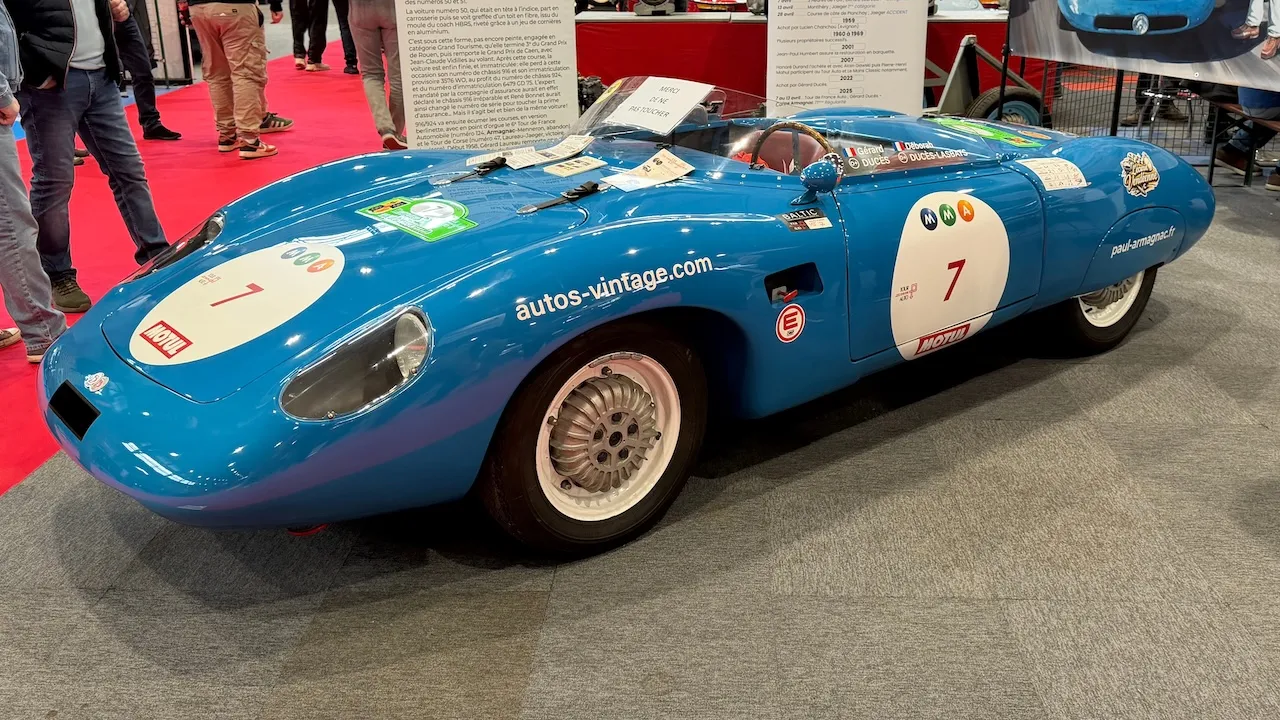
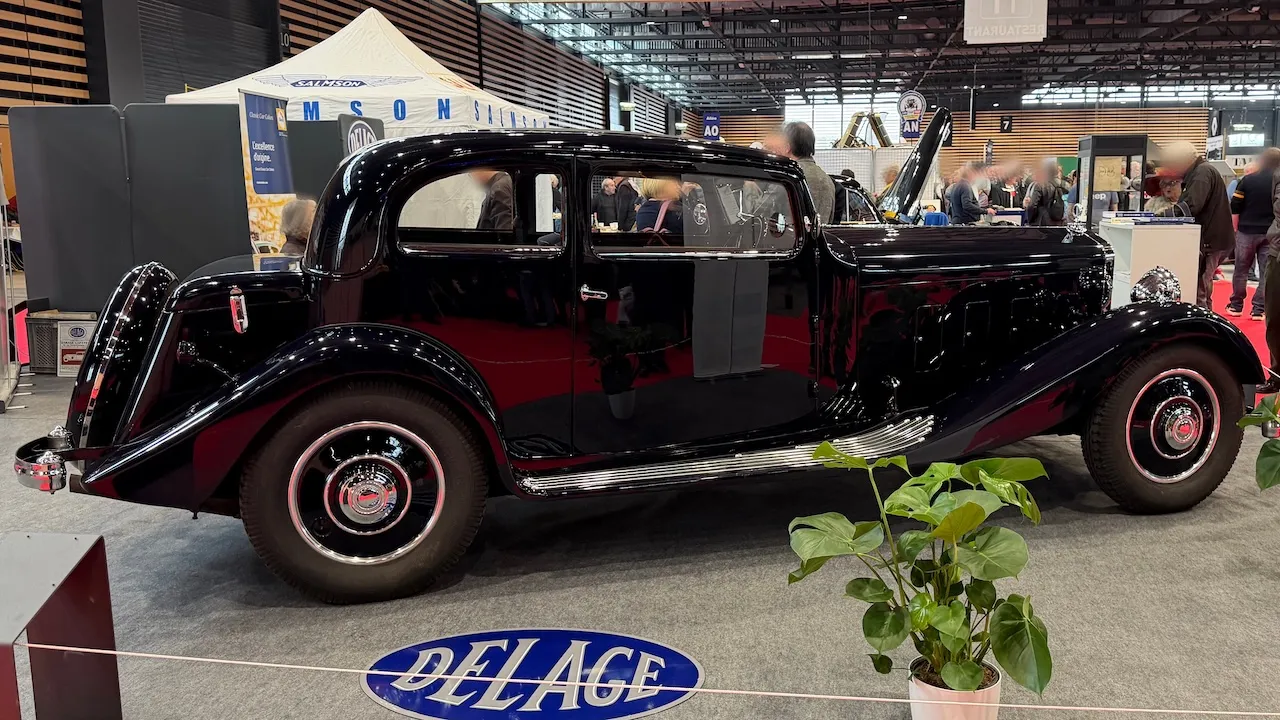
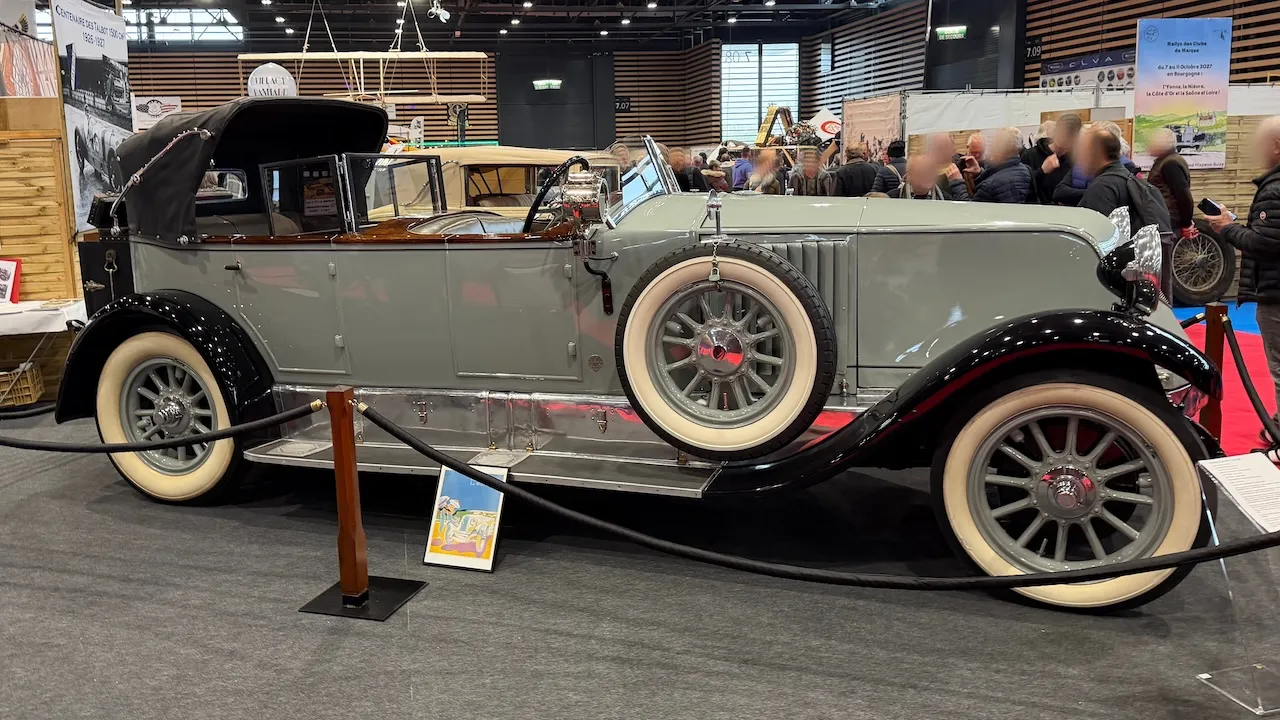
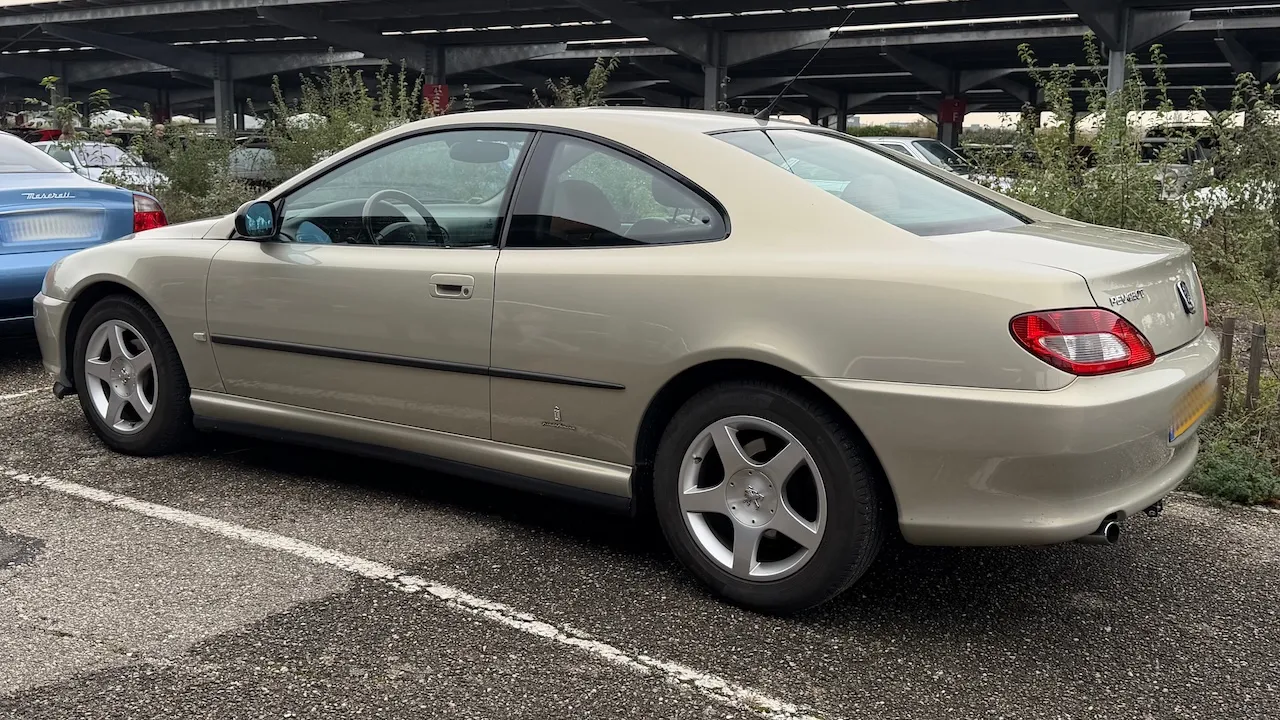
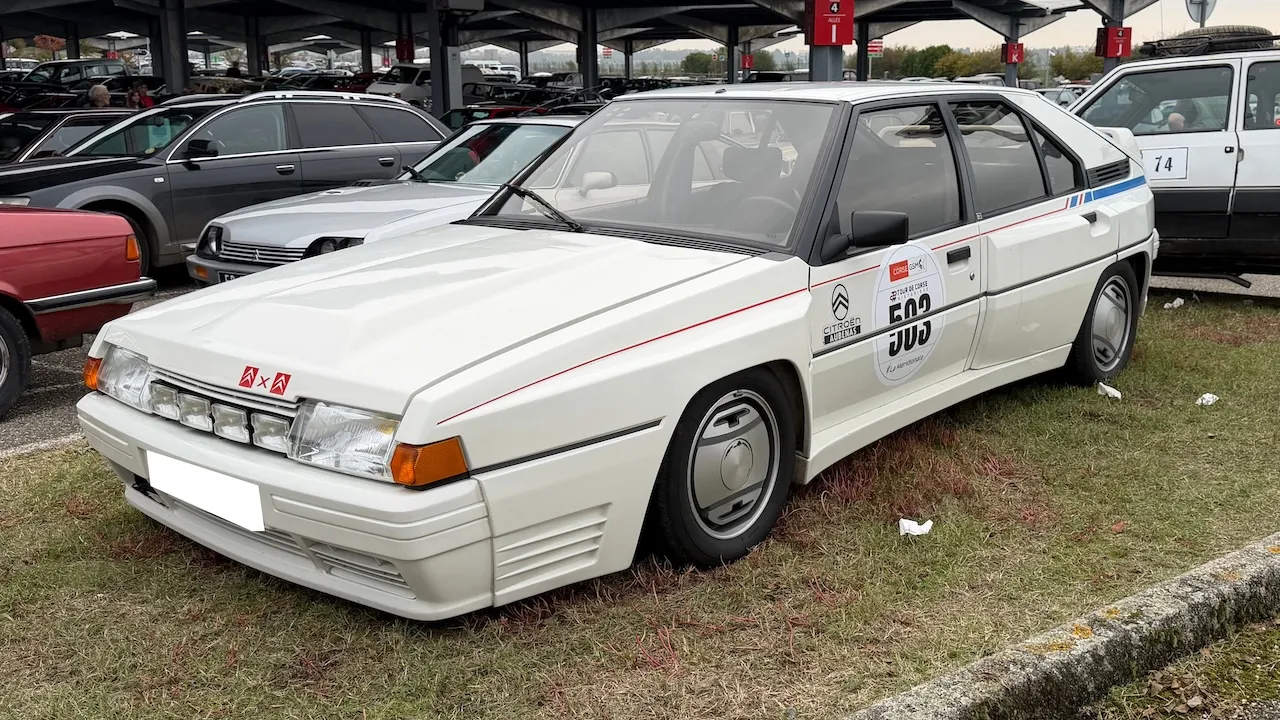
The other cars are: Bugatti Type 37; a collection of Bugattis; Porsche 917; Lamborghini; Alpine A110; Citroën; Bugatti Brescia; Mercedes-Benz 600; Peugeot 404 Coupé; Peugeot 505 Turbo; Cadillac Allanté; Delage; Simca Bertone Coupé; Renault 17; Jaguar MkV; DB; Voisin; Delage D6 15; Renault 40 CV; Peugeot 406 Coupé; BX 4TC; Singer.
More about this event on the official webpage.
More information on Instagram or below. Swipe the pictures with your finger (mobile devices) or mouse (desktop).
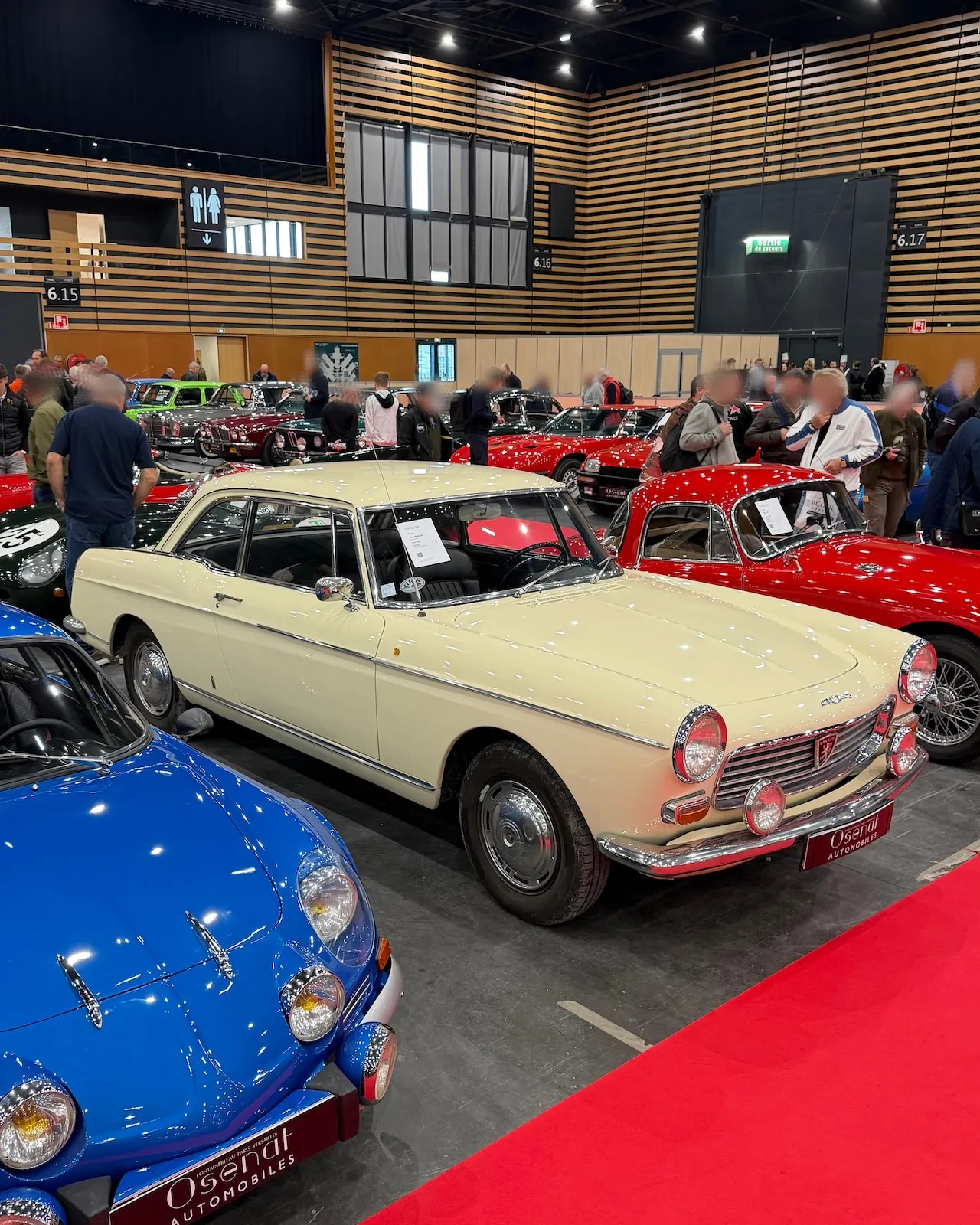
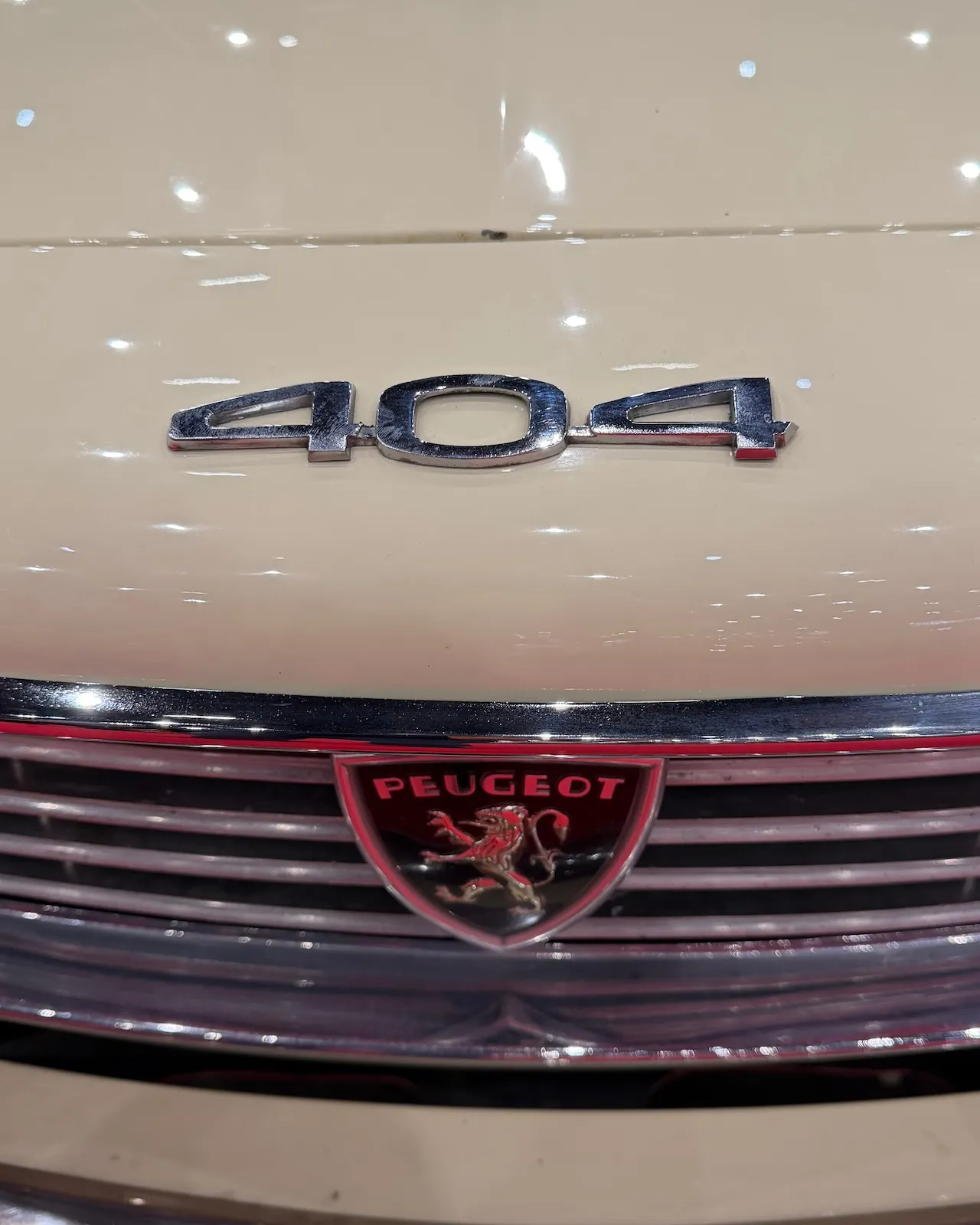
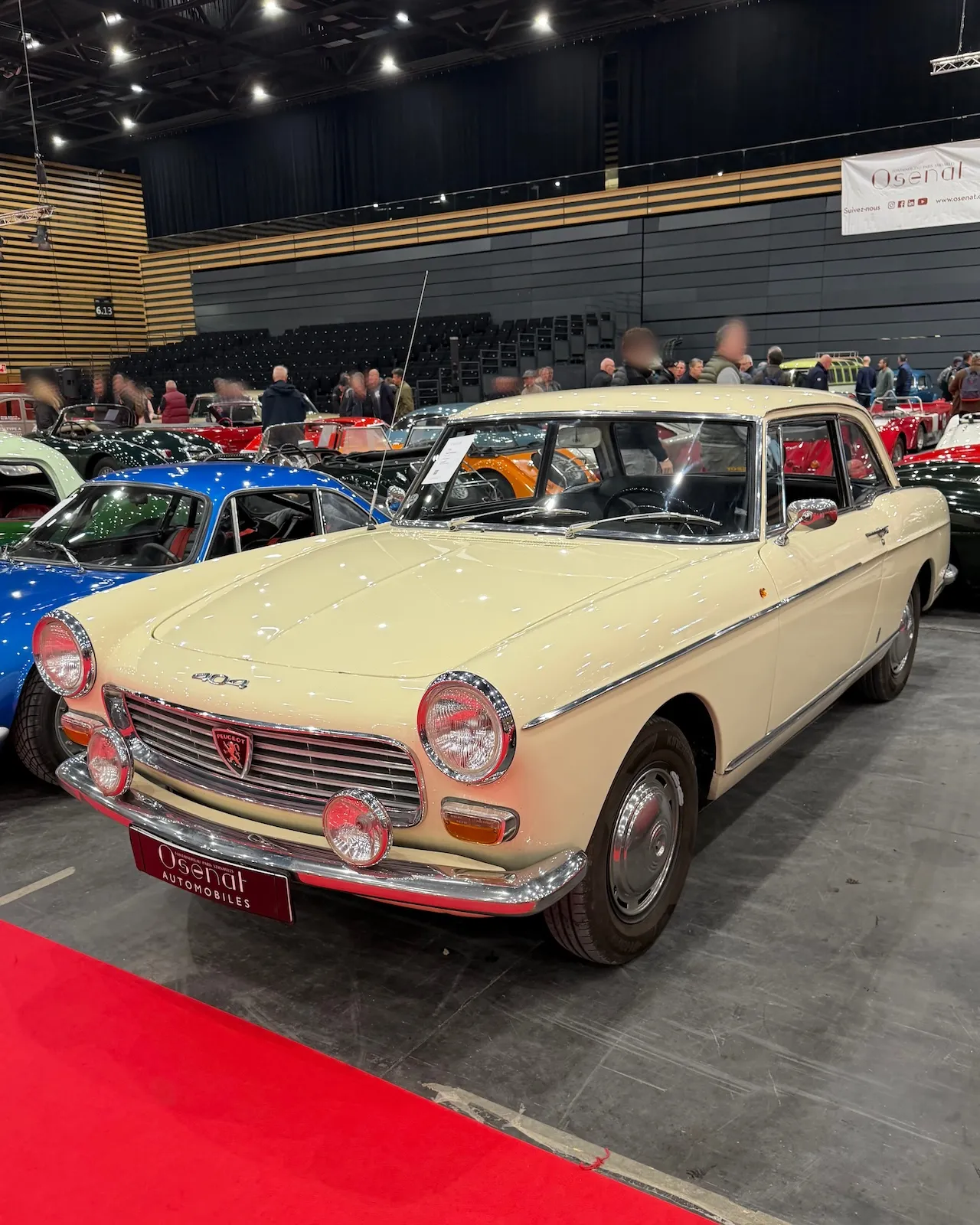
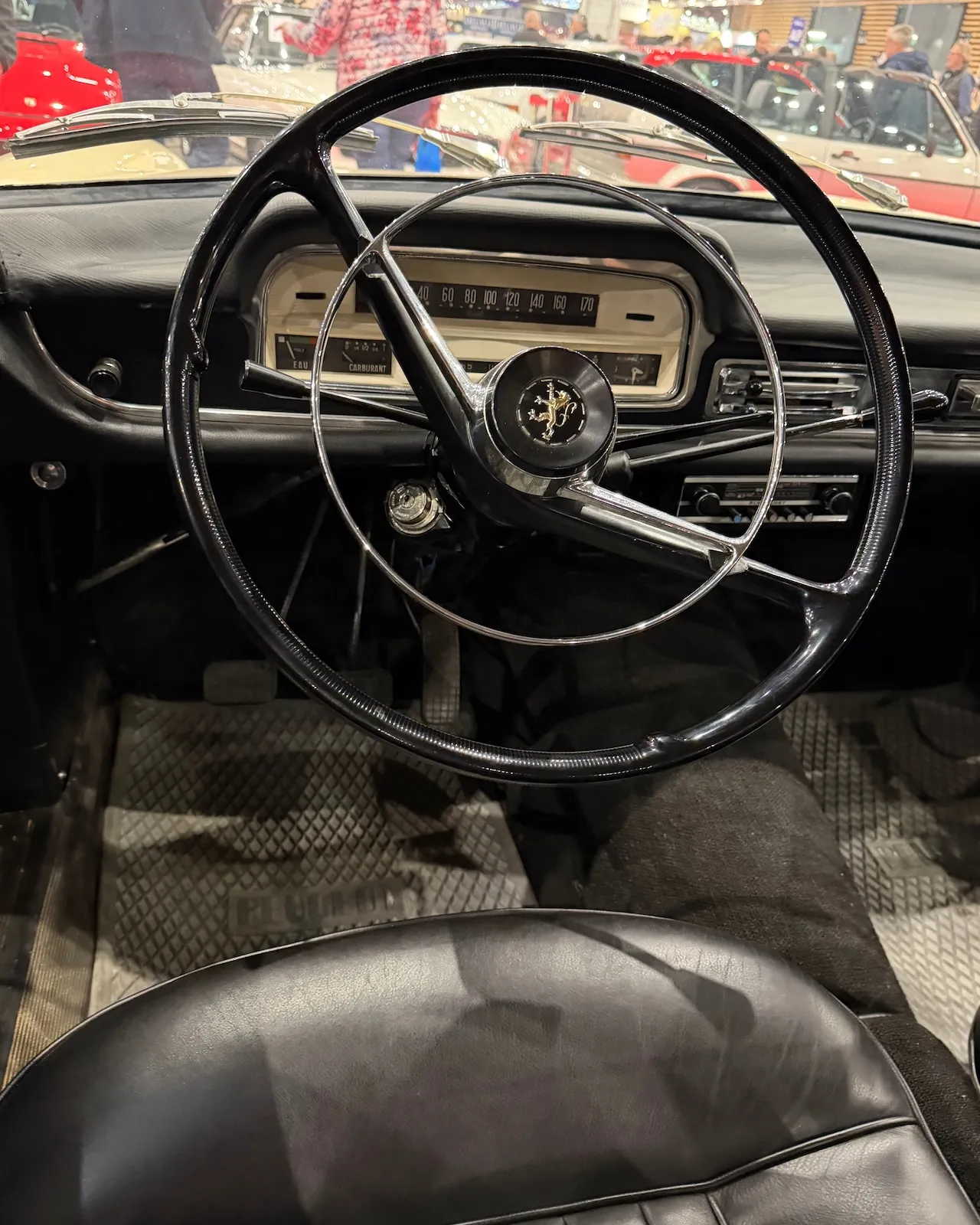
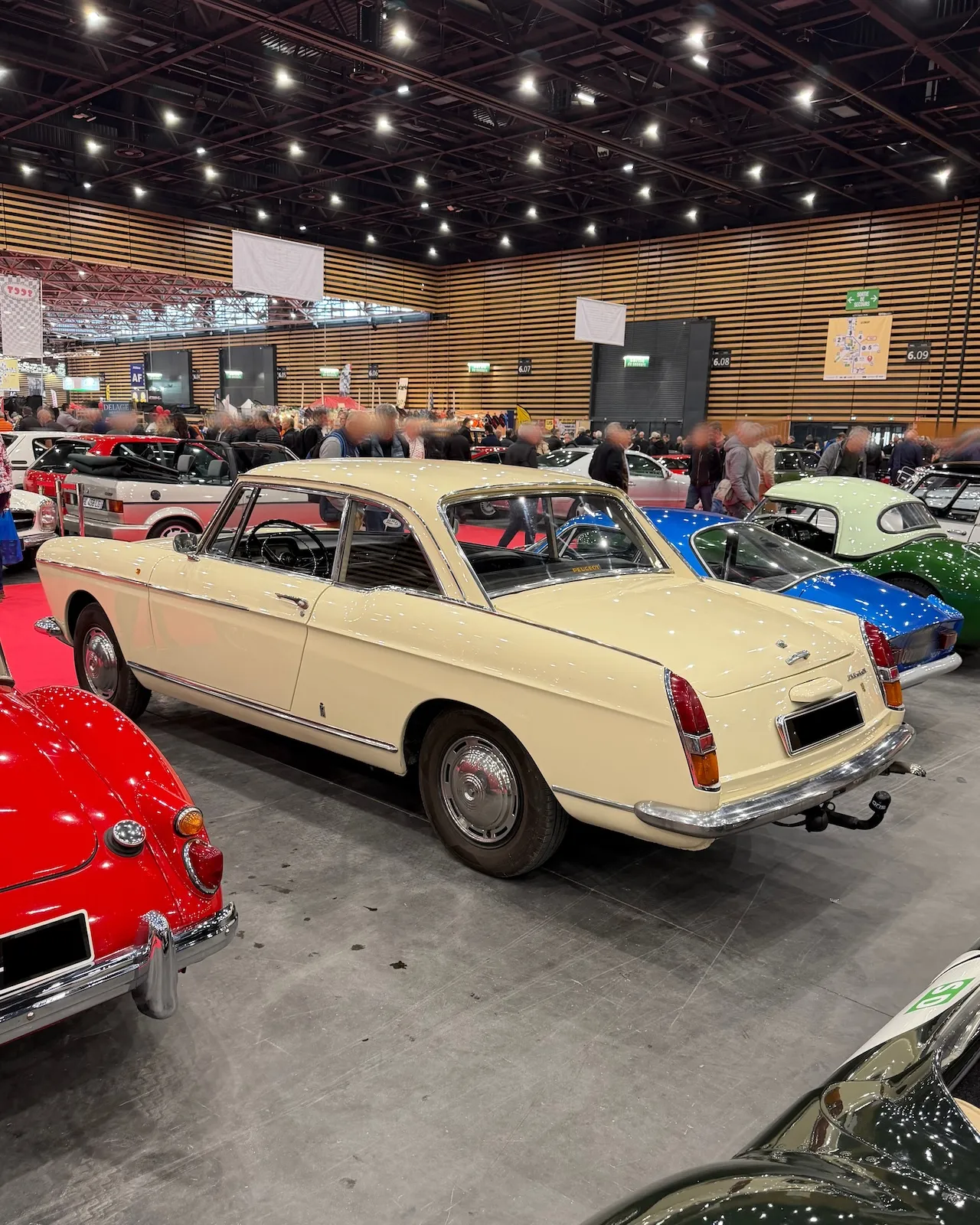
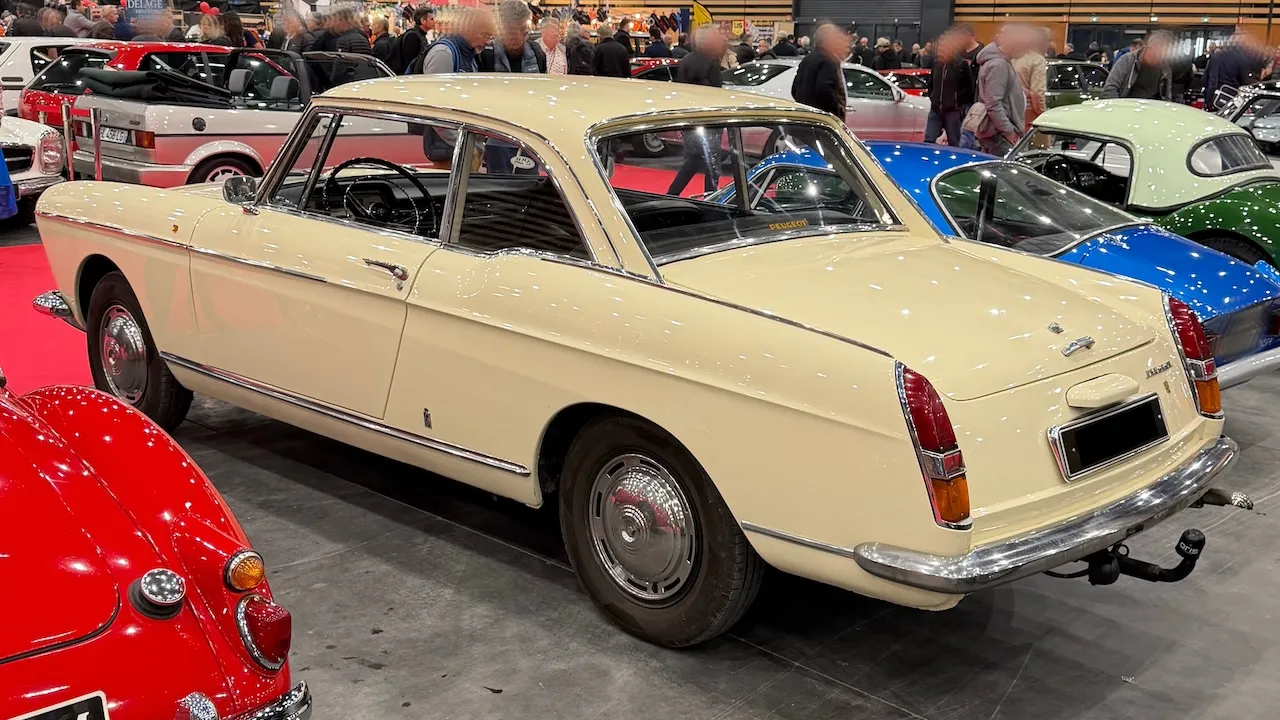
1965 Peugeot 404 Coupé, chassis number 4593291. Combining Pininfarina styling with Peugeot's renowned robustness, the 404 Coupé offers the prospect of relaxed touring in a car whose restrained lines have stood the test of time. These coupés are a testament to an era when mainstream manufacturers had the courage to create elegant cars based on their popular saloon models. Congratulations to those who preserve these beautiful cars. Spotted over the weekend at Epoqu'auto.
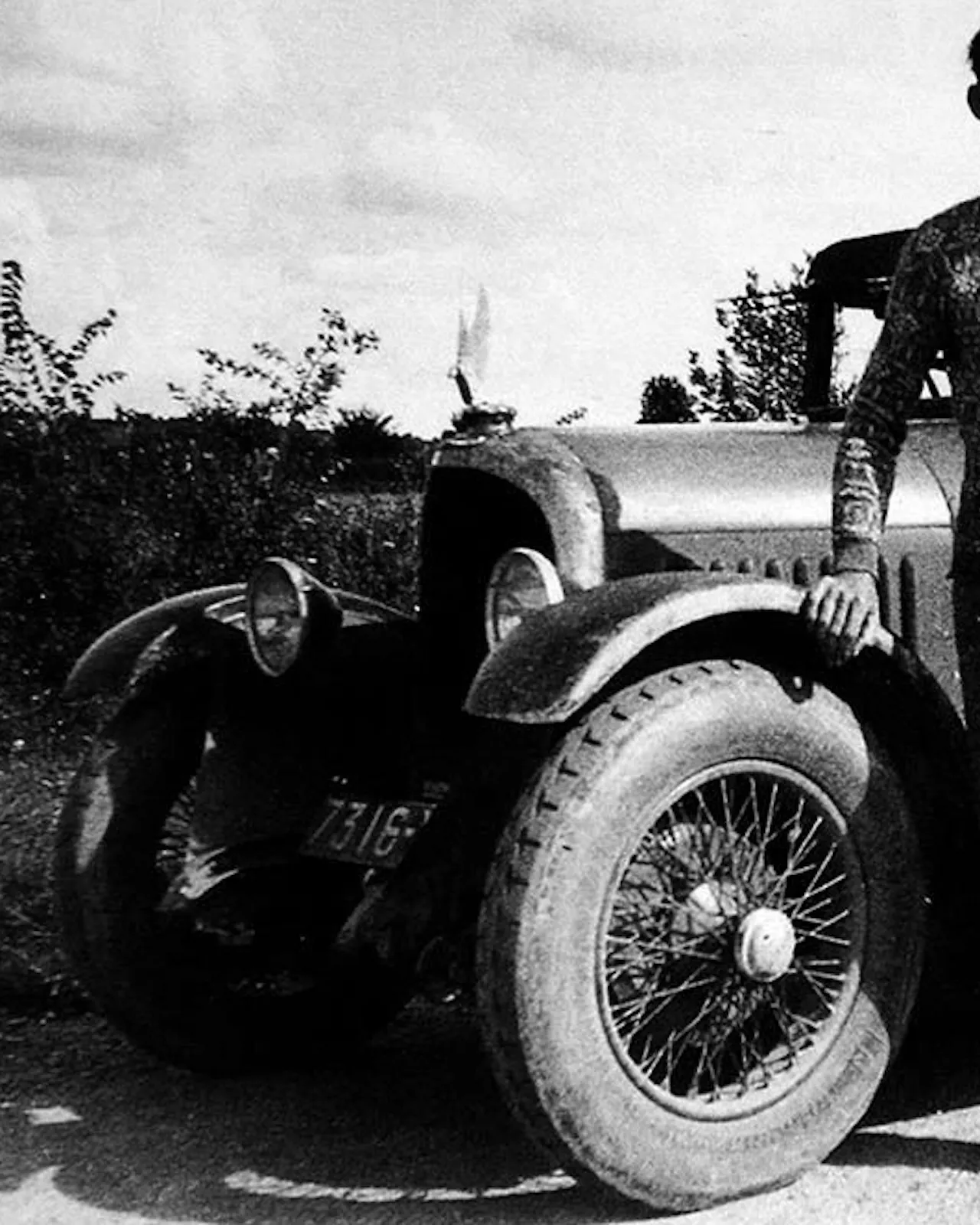
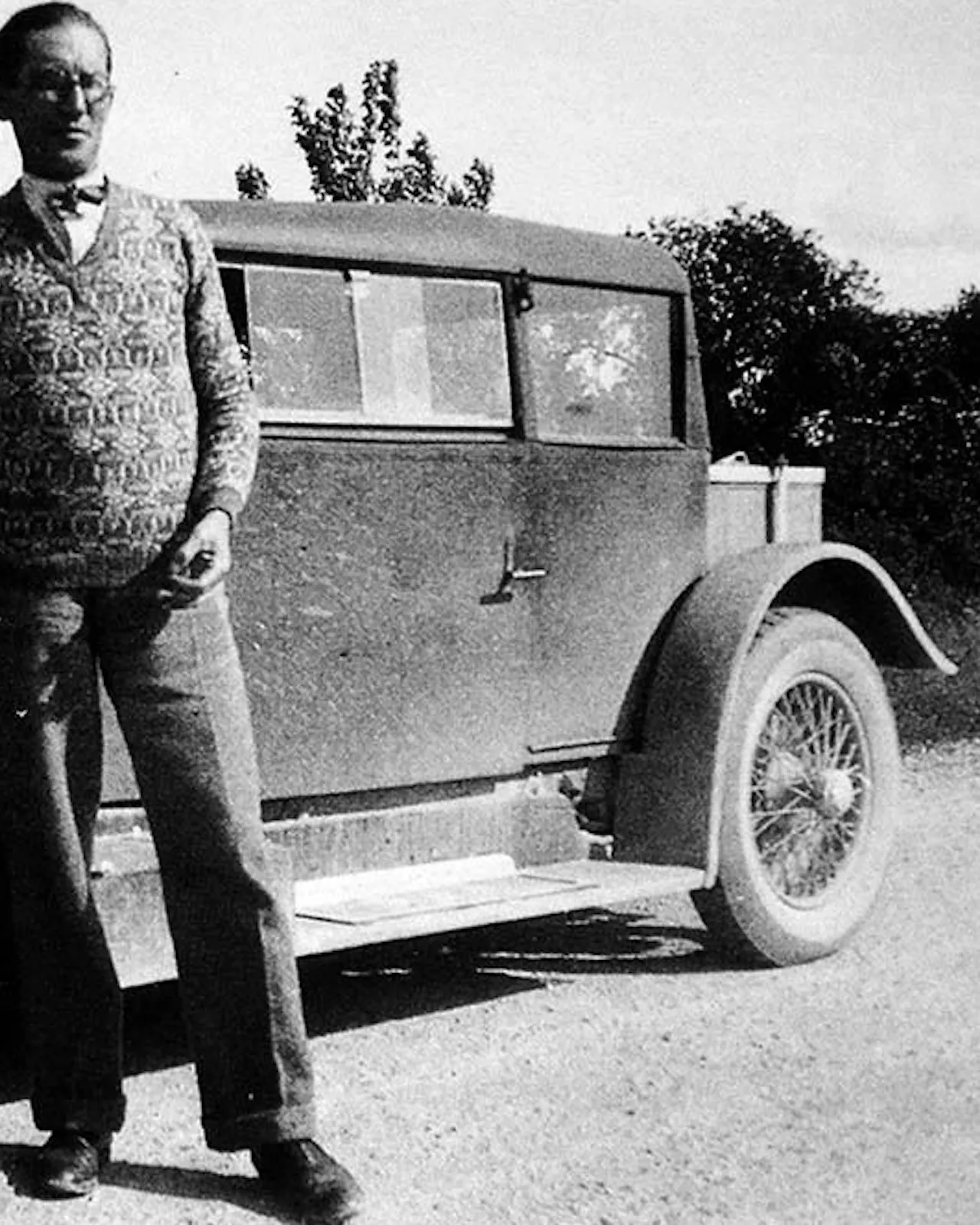
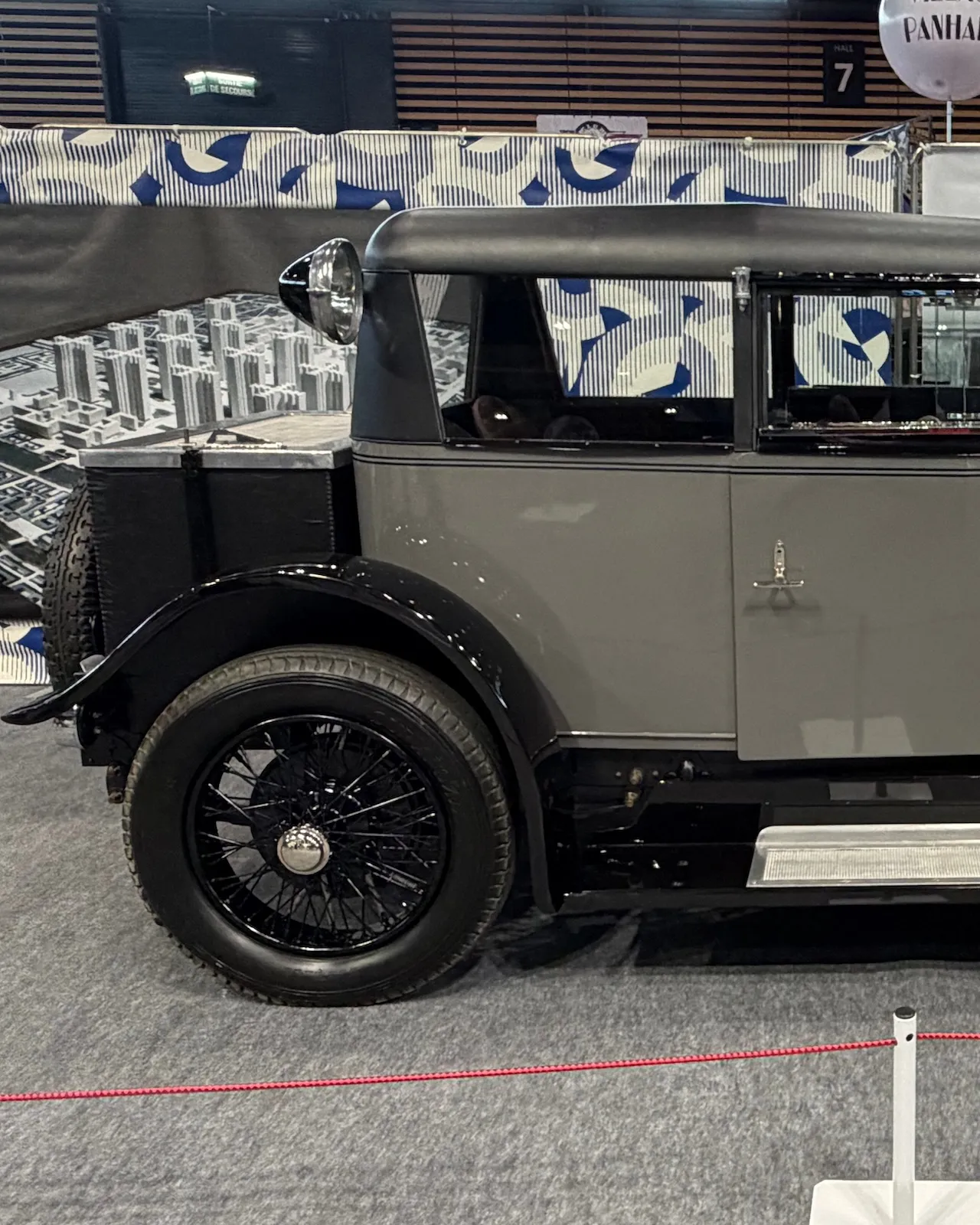
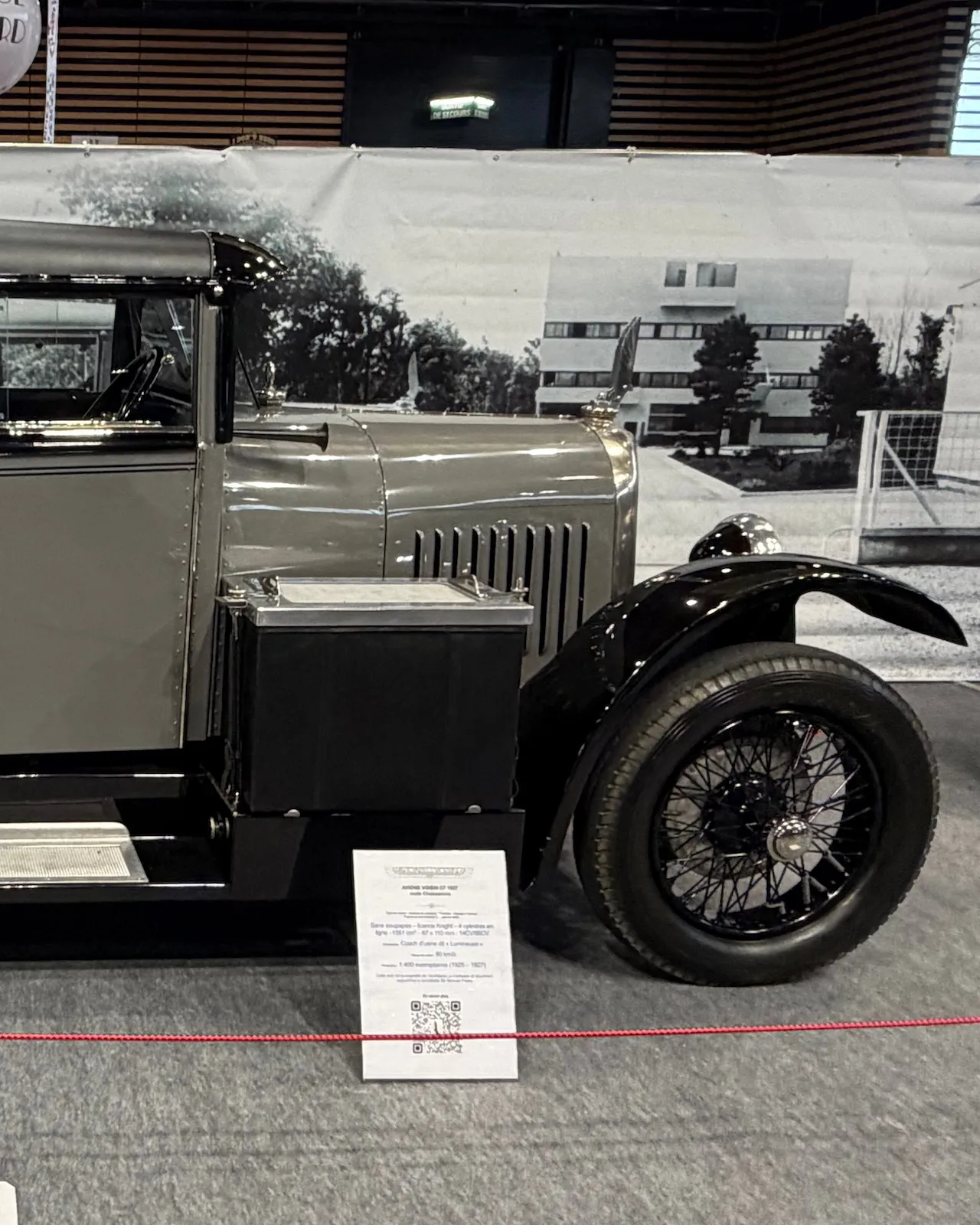
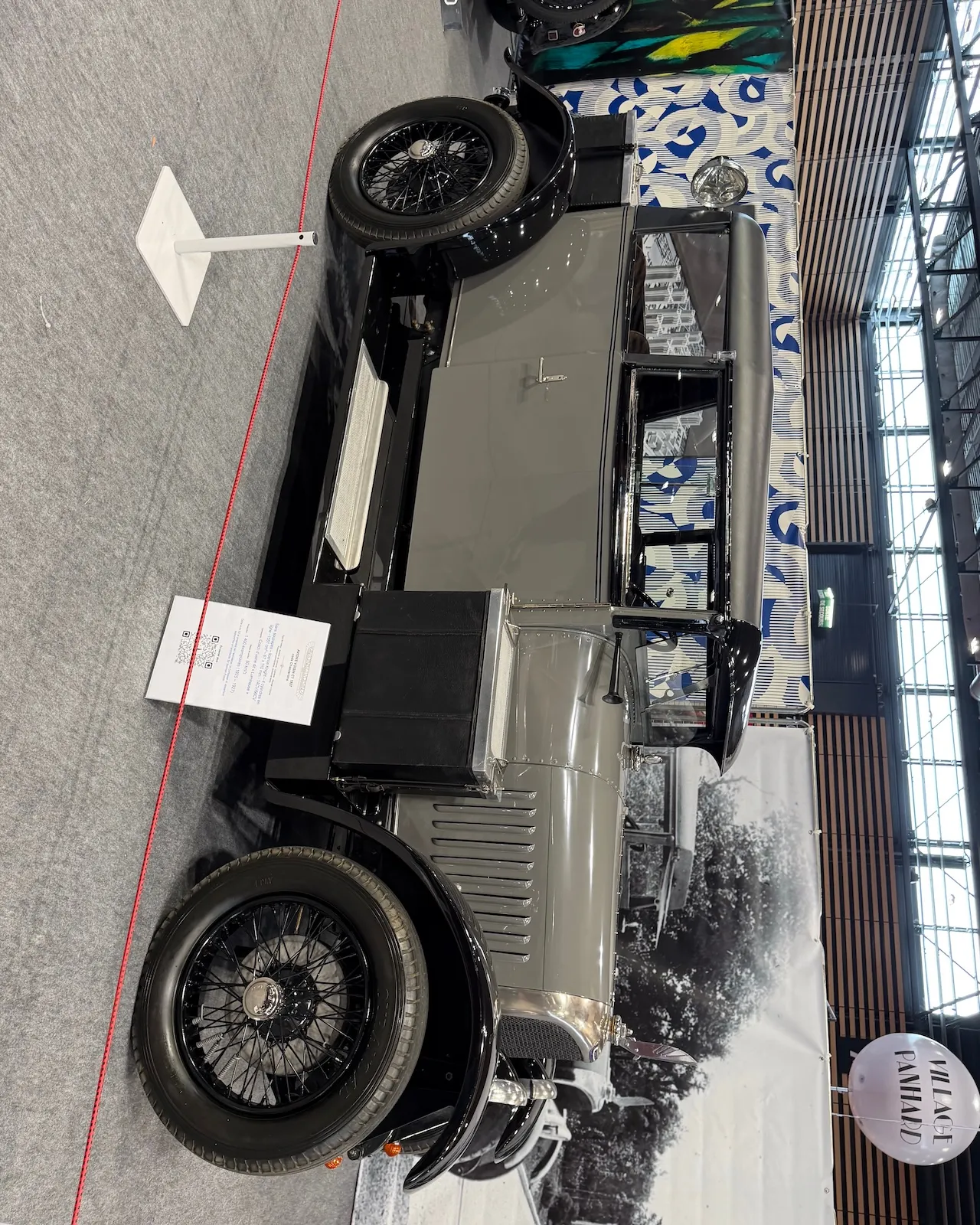
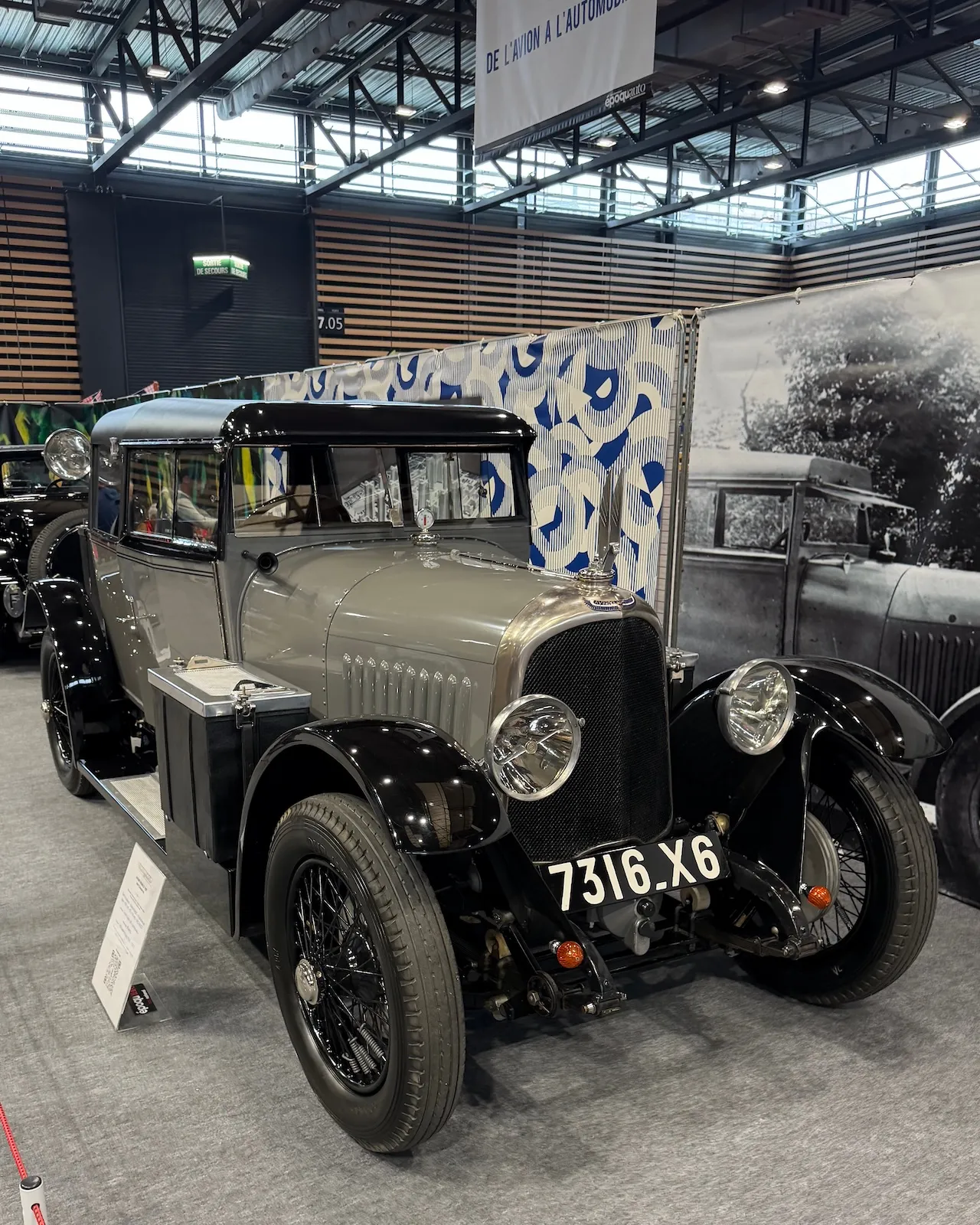
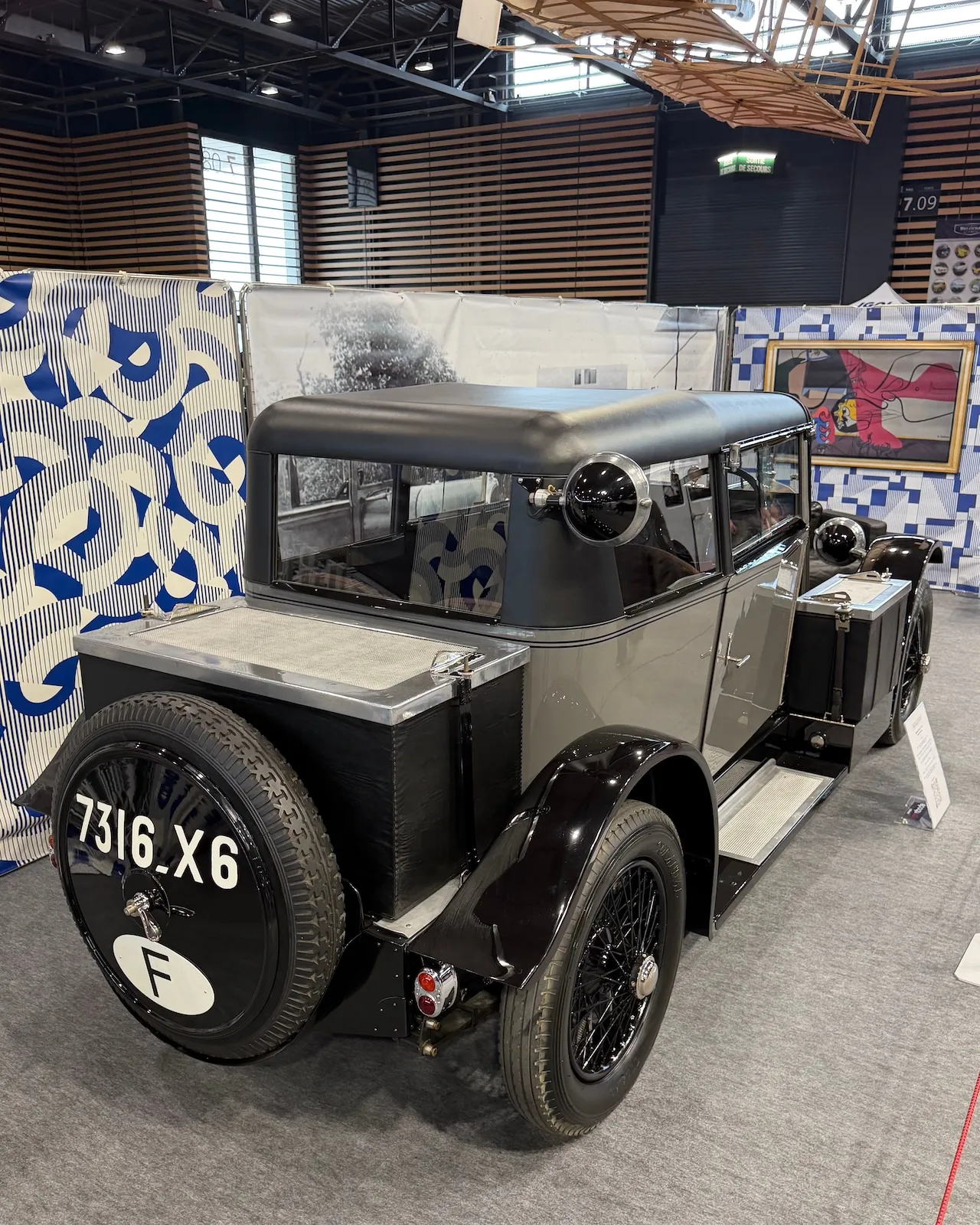
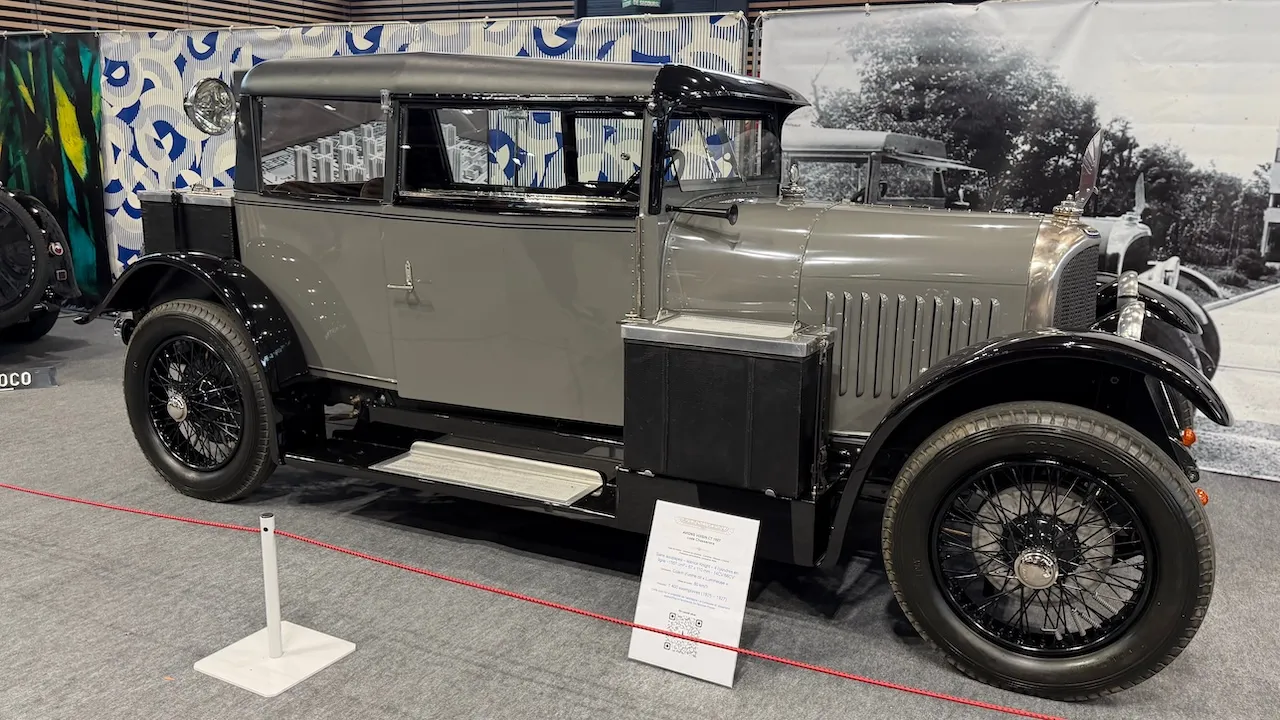
1927 Avions Voisin C7 Chasserons. Knight engine, i.e. valveless design, approximately 1600 cc. Factory-built coachwork known as the « Lumineuse » (meaning light-filled).
This particular car, spotted at Epoqu'auto 2026 during the weekend, was once owned by the famous architect Le Corbusier, whose birth name was Charles-Édouard Jeanneret-Gris. It is currently in the care of the world-renowned architect Norman Foster, Lord Foster of Thames Bank OM.
At the time, the car earned its nickname because of its light-focused design concept, featuring a narrow roof, generous windows and very slender pillars. The nickname eventually became its official name, replacing the factory's internal model designation.
The photographs showing Le Corbusier with the car come from Frankie Flood's blog. Thank you.
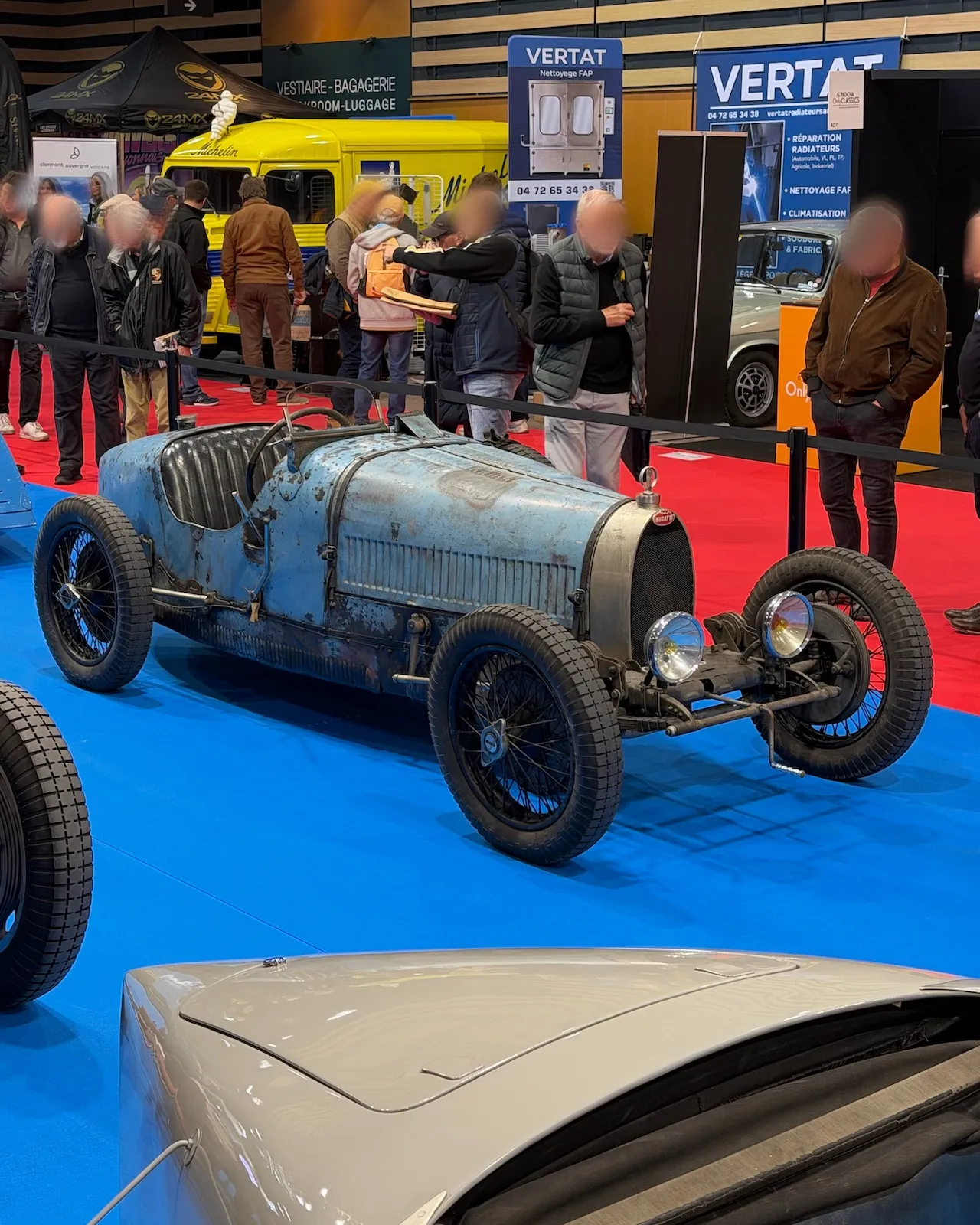
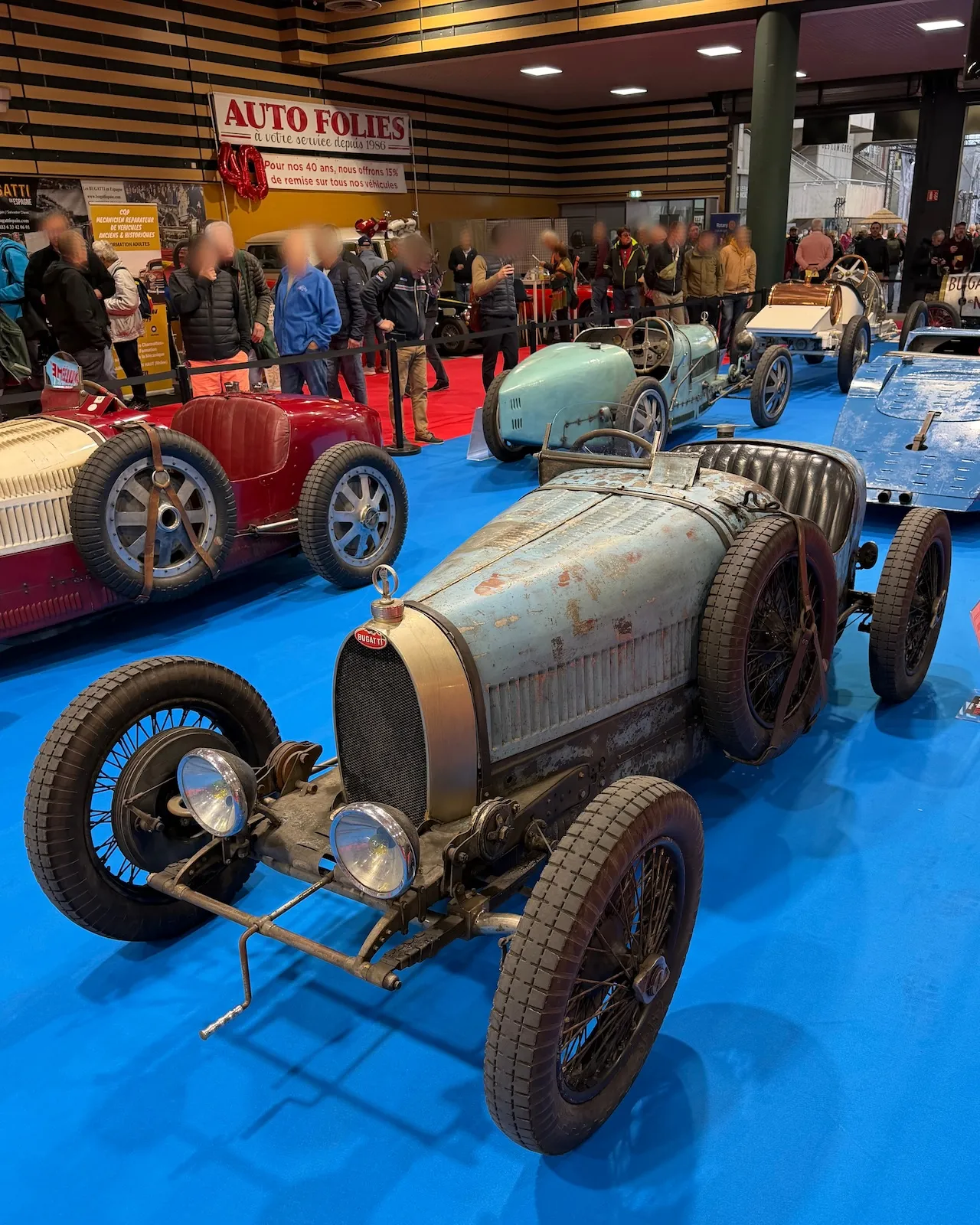
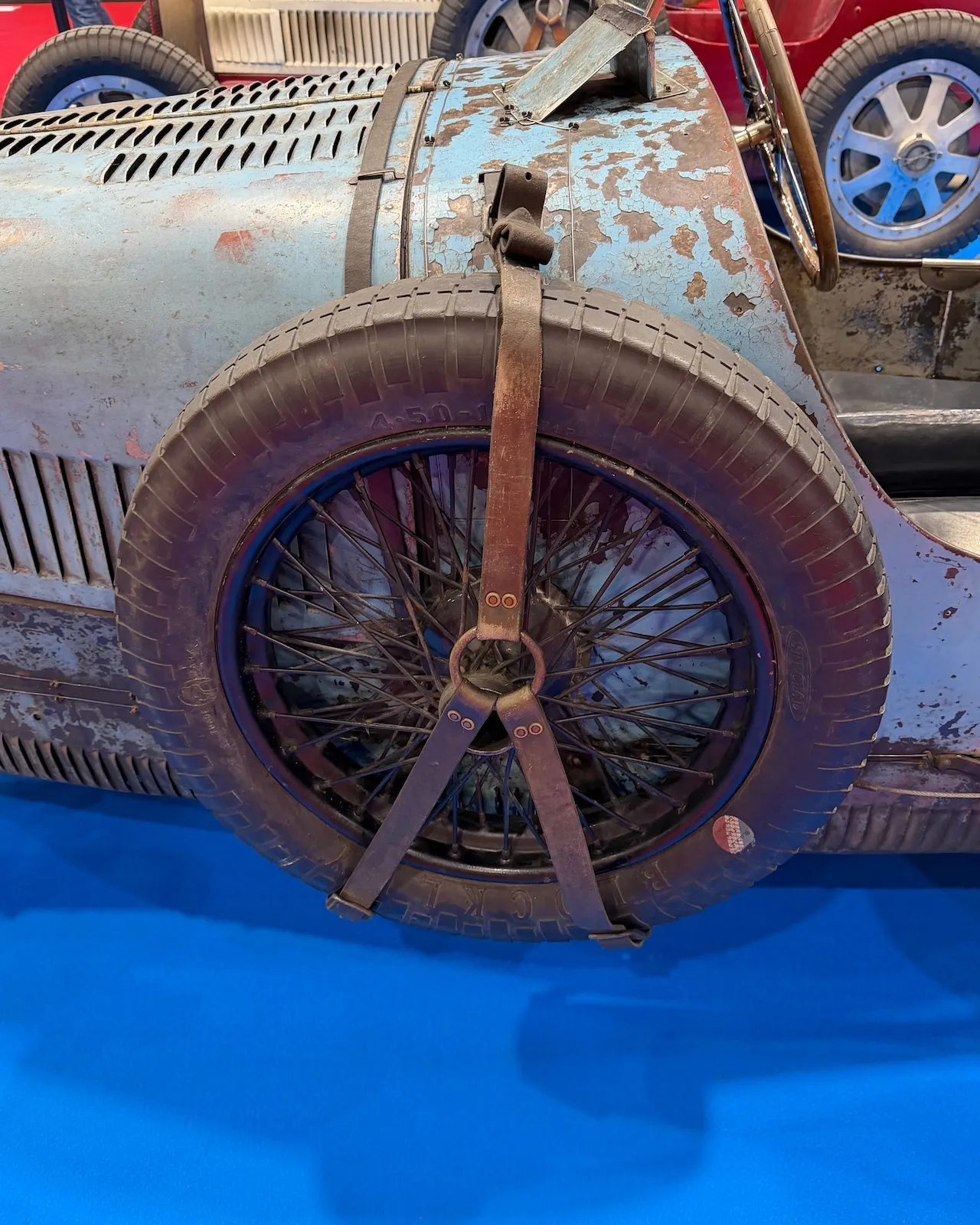
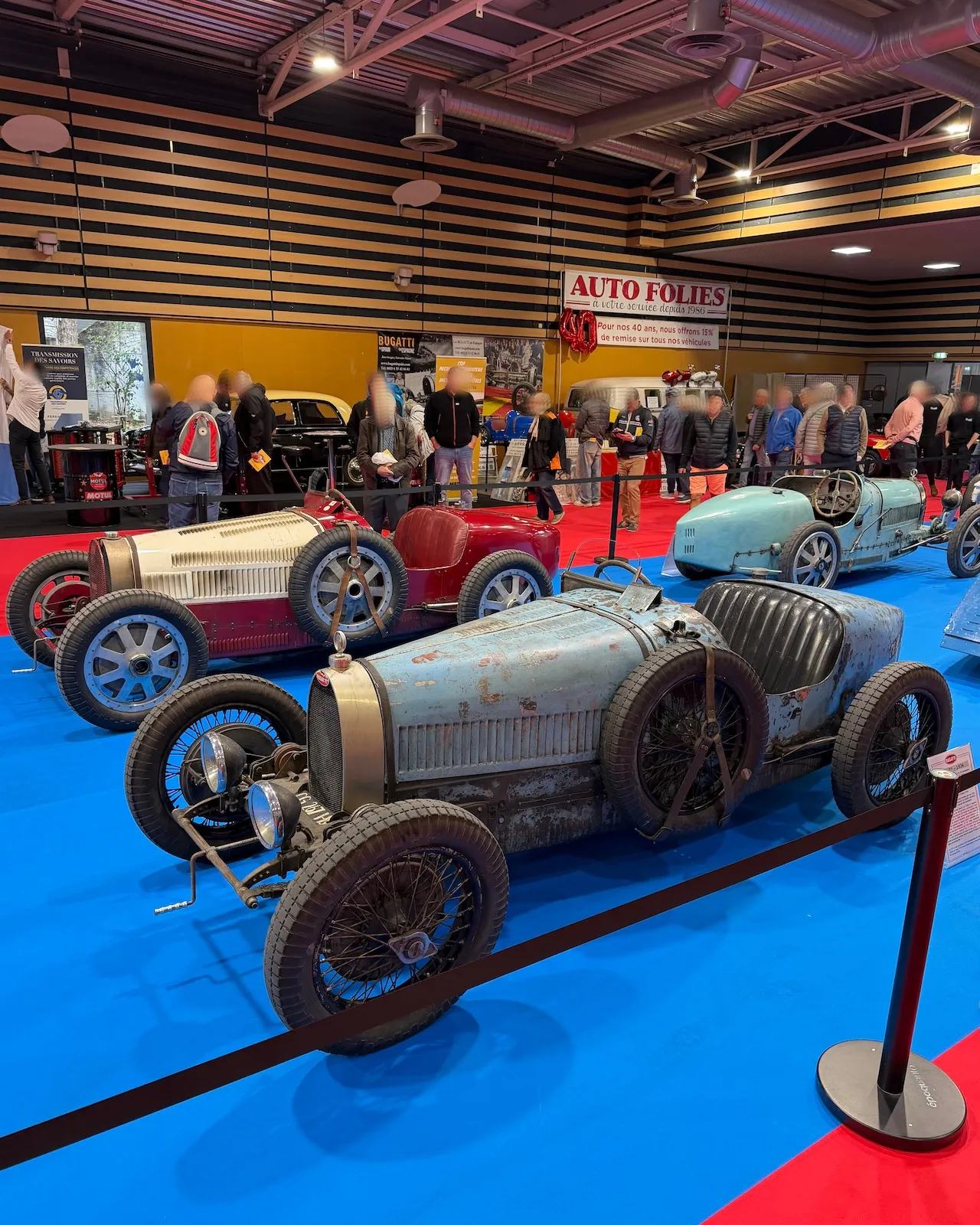
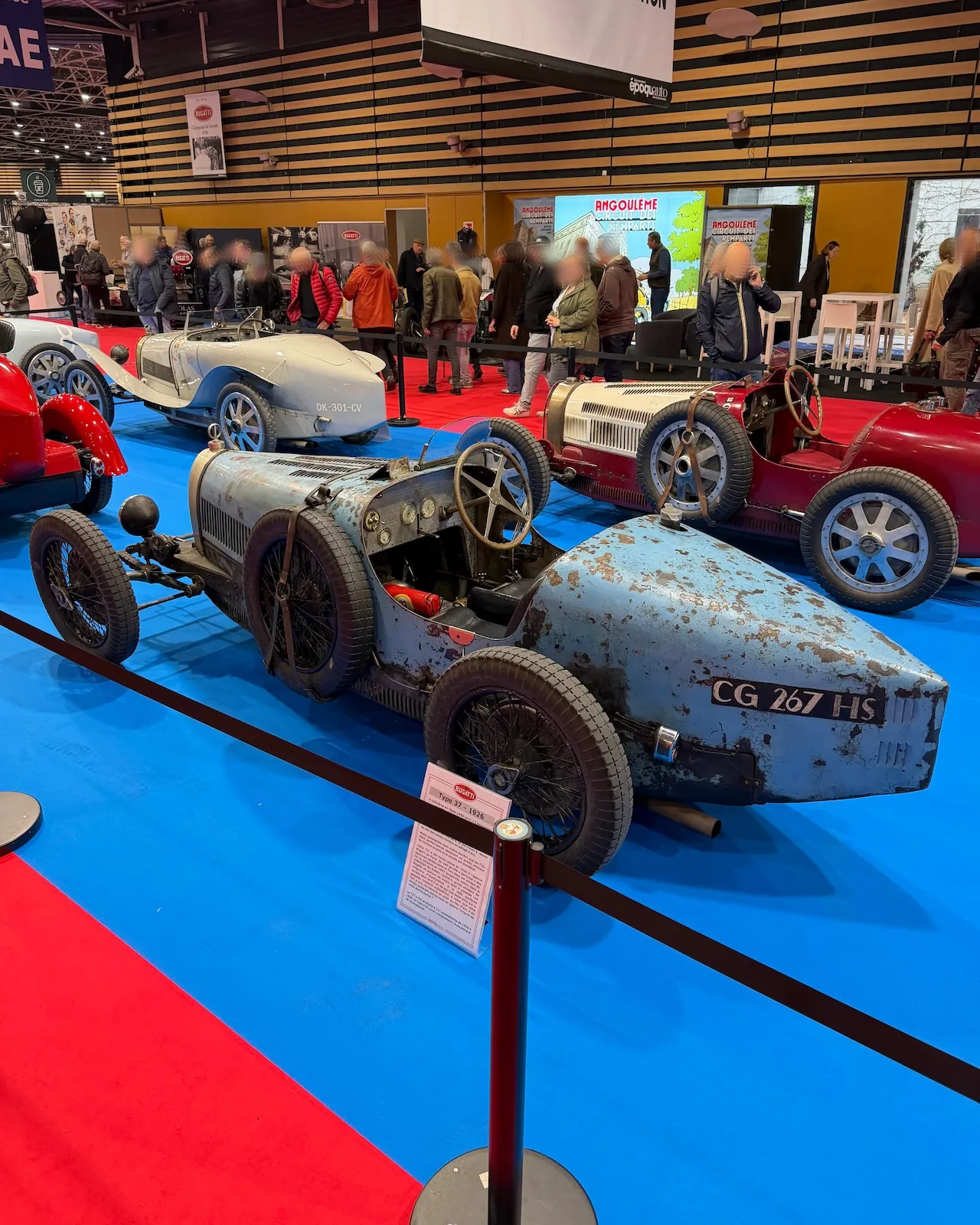
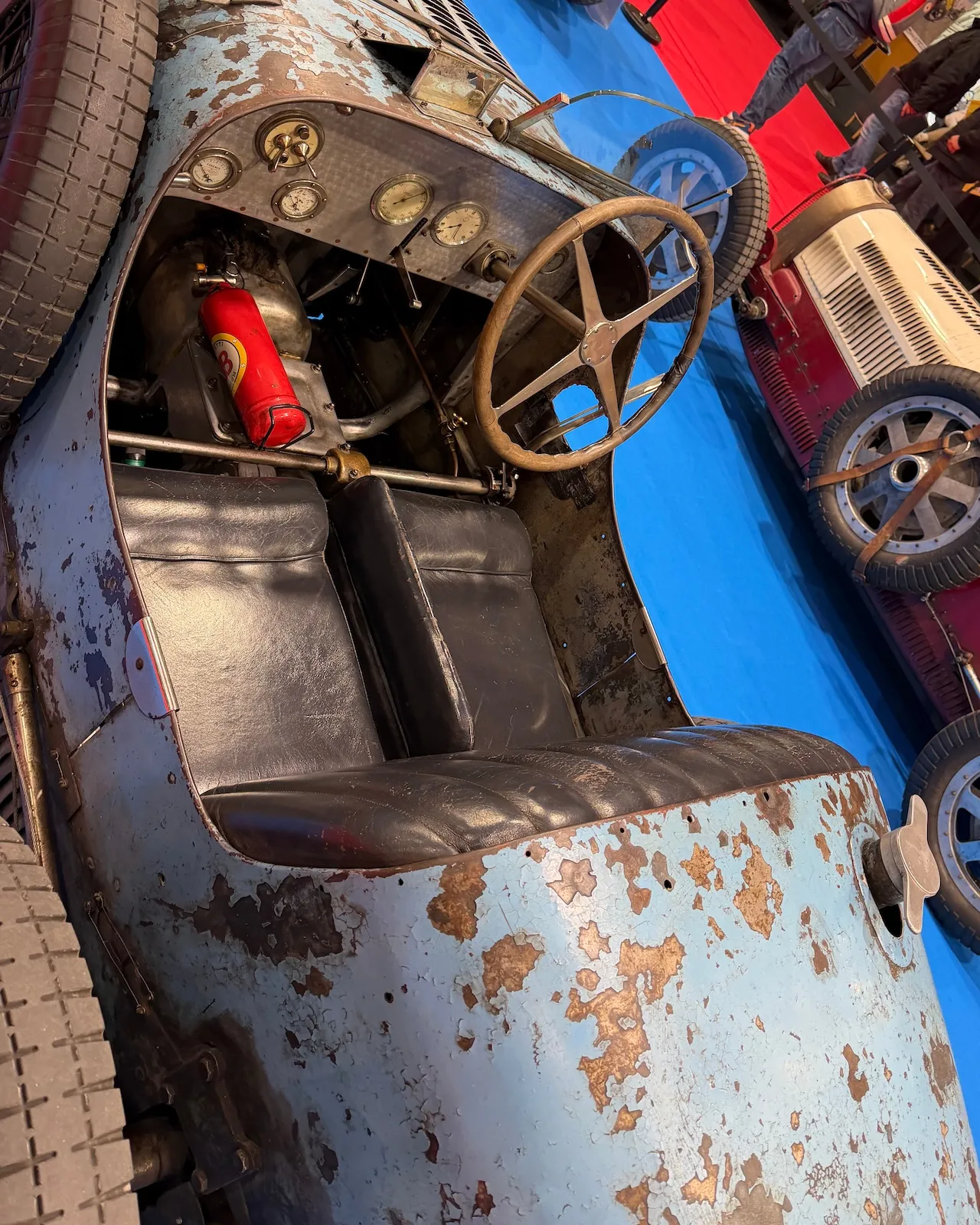
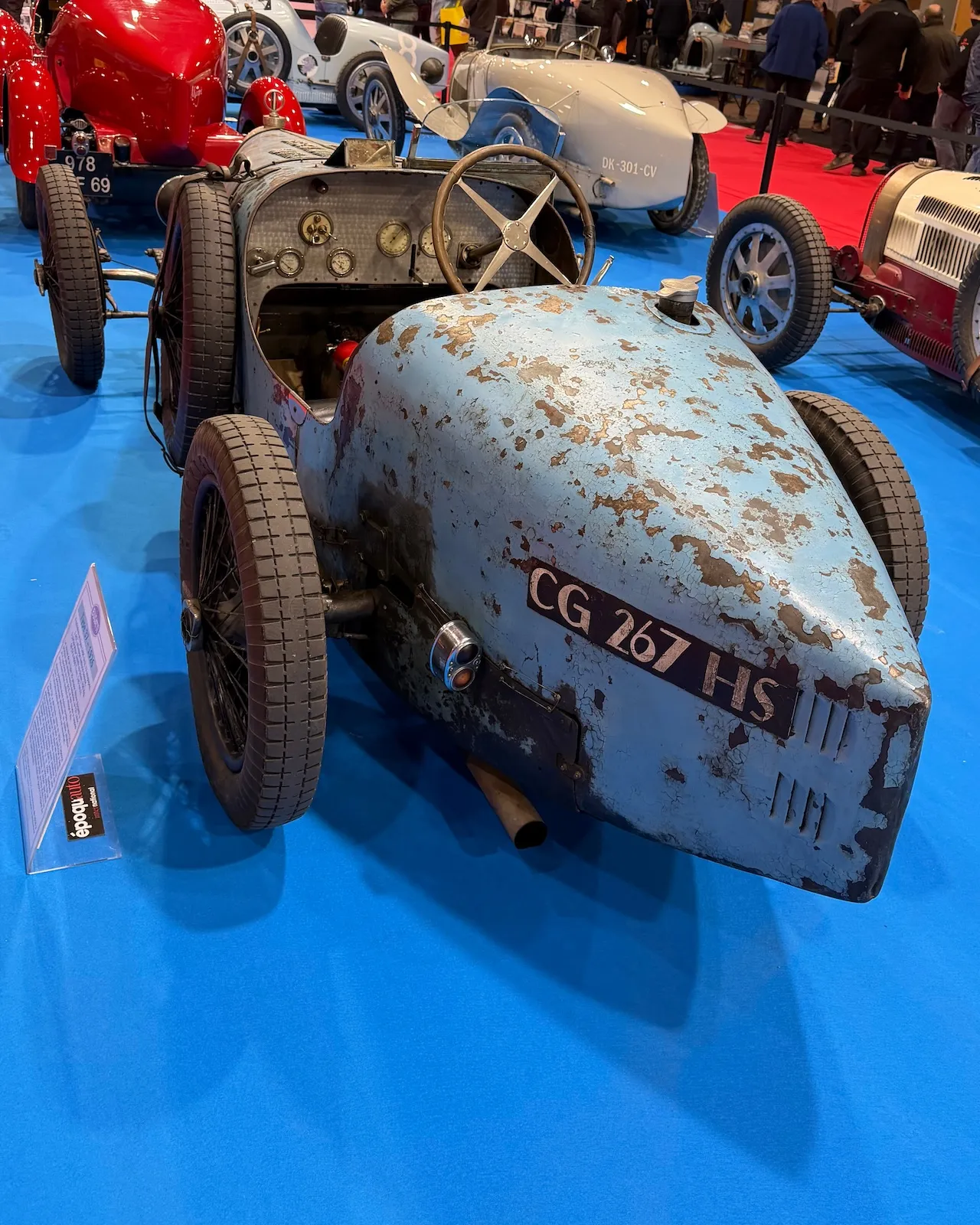
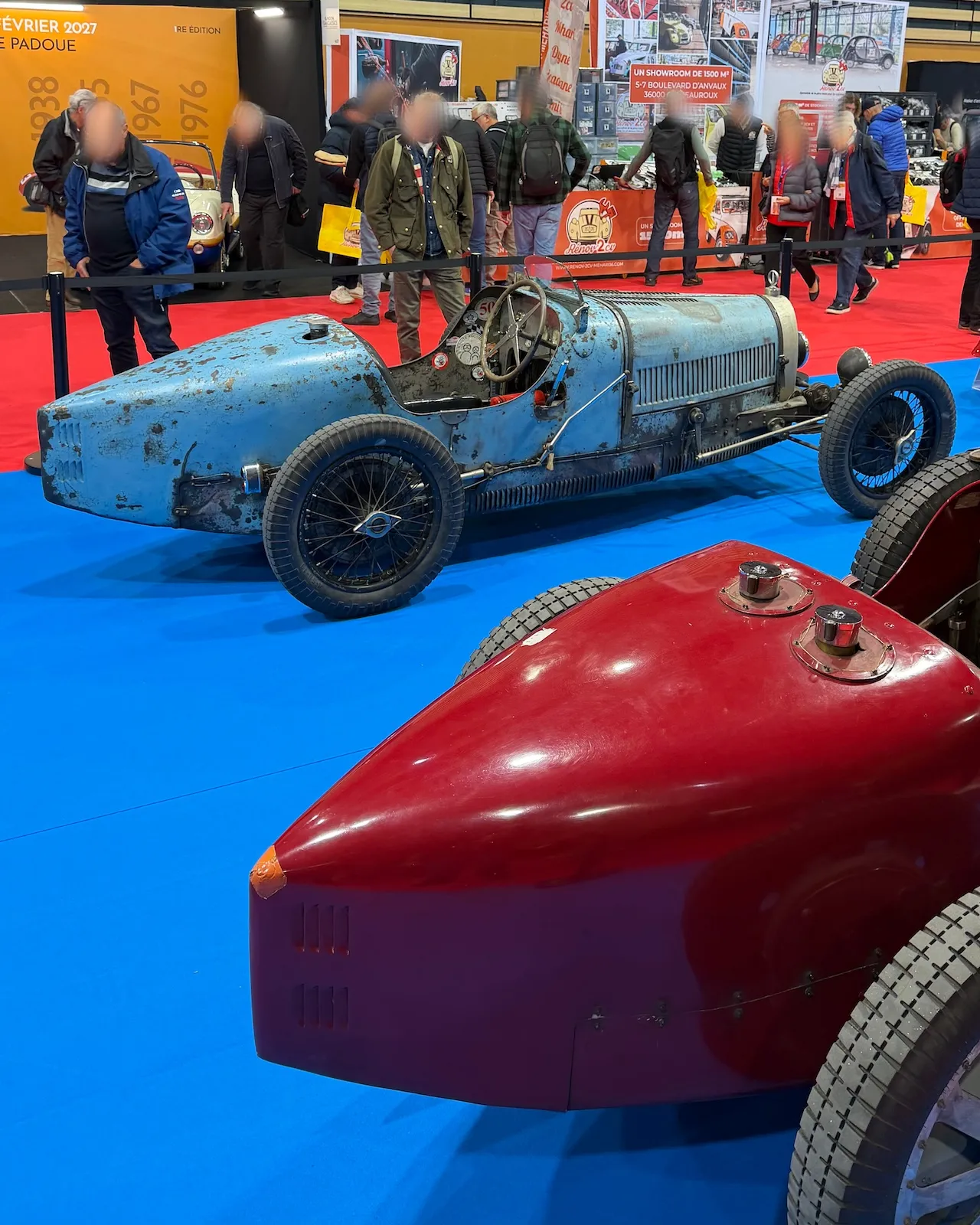
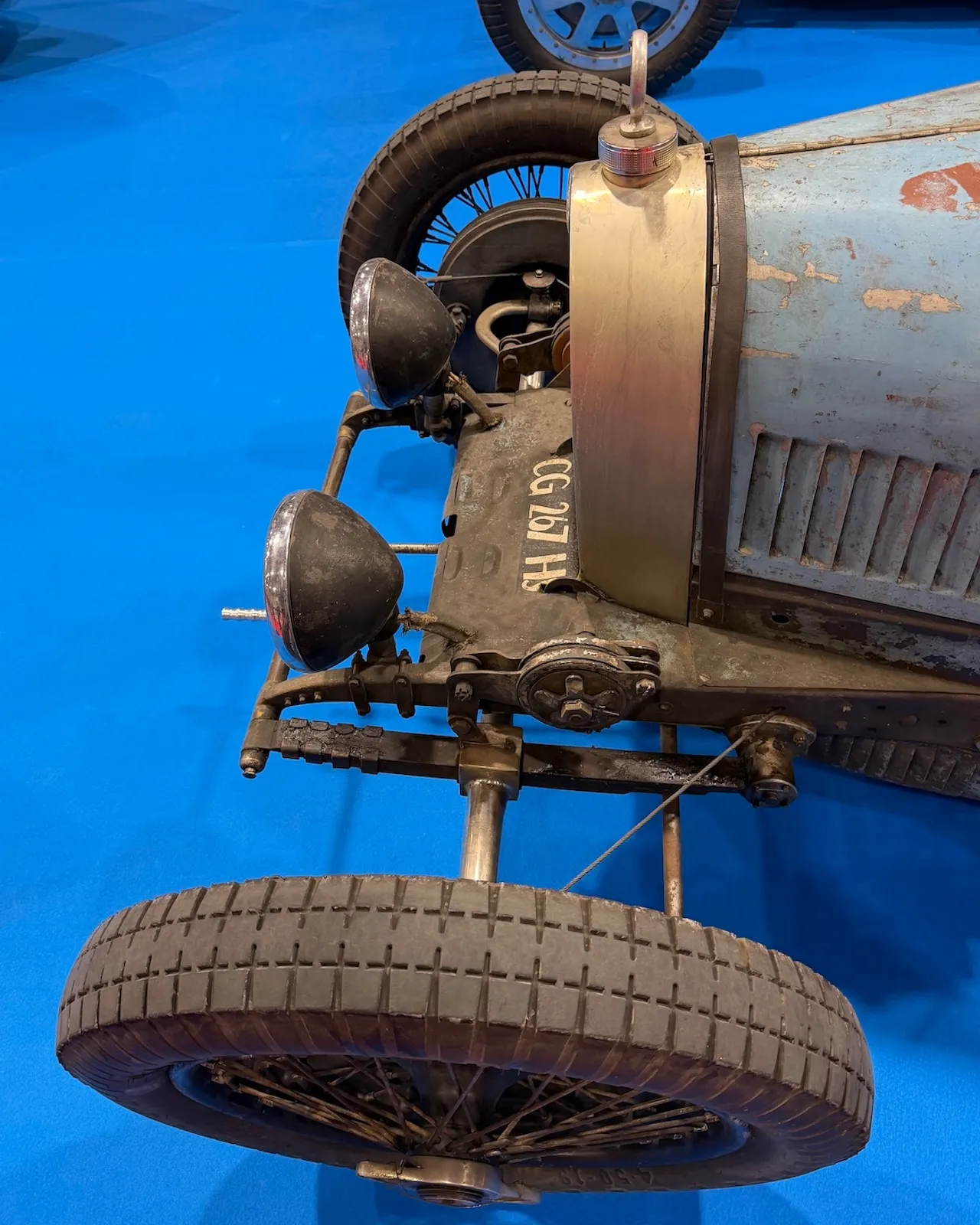
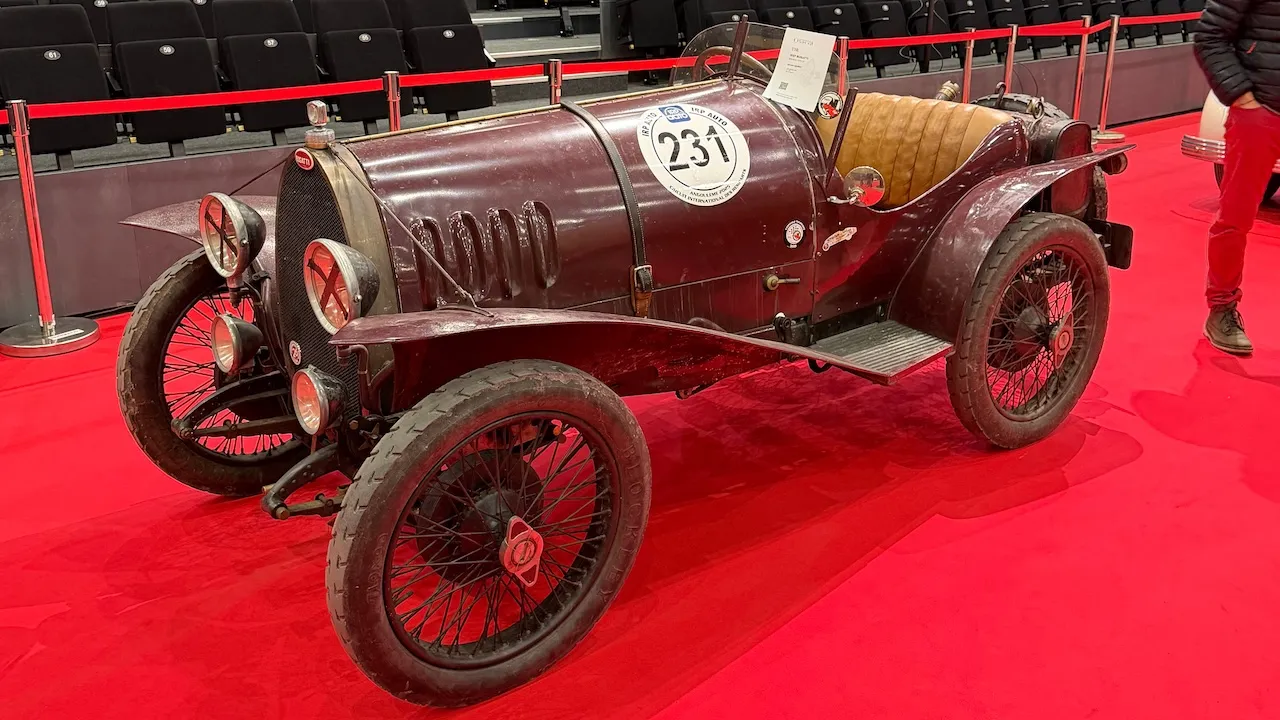
Another beautiful, patinated car. A 1926 Bugatti Type 37, featuring a 1496cc inline-four engine with 12 valves. Spotted yesterday at Epoqu’Auto 2026 in Lyon, France.
Following the success of the Type 35, Ettore Bugatti decided to produce a less expensive version: the Type 37. It featured a four-cylinder engine instead of an eight-cylinder, along with wire-spoke wheels rather than cast aluminium alloy wheels. Although less powerful, the Type 37 was also lighter than the Type 35. Its performance appealed to enthusiasts of local motor racing, and its success was immediate.
This particular Type 37 was delivered new in 1926 to the Bugatti dealership in Paris. Interestingly, according to its owner, this car features a steel body rather than the usual aluminium one. A few other examples are said to exist, although the origins of this unusual specification remain unknown, still according to the owner. Many thanks for this wonderful Bugatti exhibition.